Kenya targets Sh106bn in fifth Eurobond issue

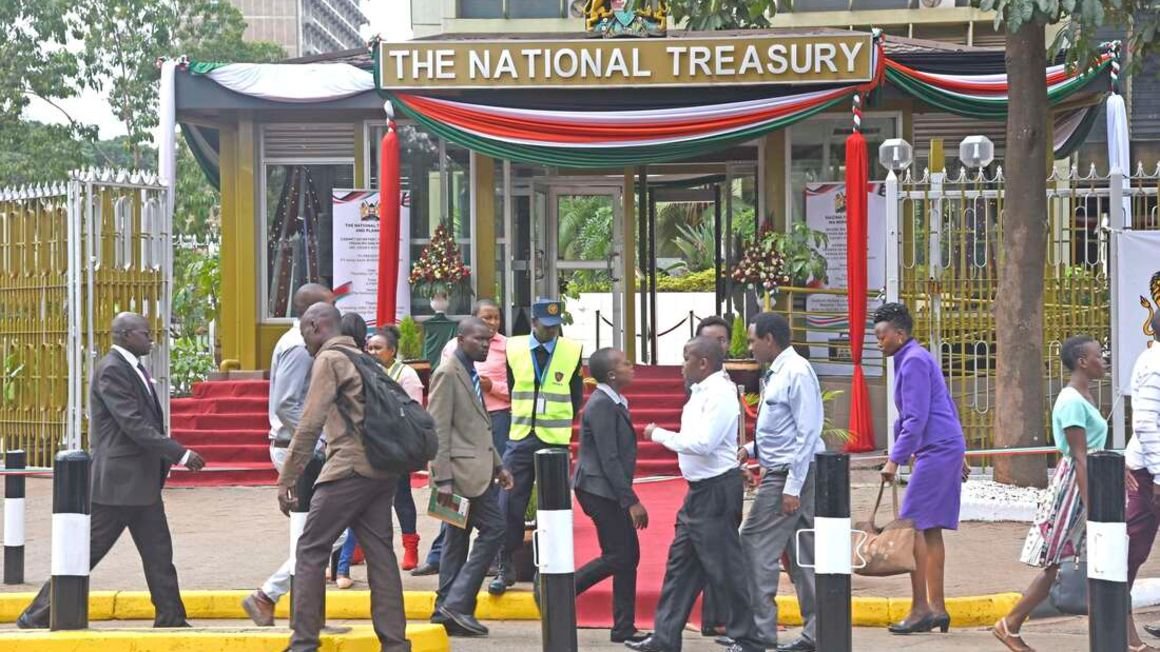
Kenya will take up a fifth sovereign bond targeting Sh105.6 billion in the next fiscal year, with the National Treasury leaning towards issuing its first green bond.
The government has in the last seven years already issued four Eurobonds, netting a total of Sh880 billion ($7.85 billion), the latest of which was the $1 billion (Sh112 billion) raised in June this year.
The Treasury said in the draft 2022 Budget Policy Statement that it intends to tap into green financing in the upcoming fiscal year now that the framework for such issuances is in place.
It is targeting Sh105.6 billion sovereign bond as part of the net external budget deficit financing amounting to Sh363 billion in the 2022/2023 fiscal year.
The Treasury said “In recognition of the serious threats posed by climate change, the government will deliver on the climate agenda through a focus on some of the following interventions in the fiscal year 2022/23…tapping into green financing by issuing the first Sovereign Green Bond to finance green and climate-related projects and programmes.”
So far, only one green bond has been issued in the country—by student housing developer Acorn Group and PE fund Helios in October 2019, which raised Sh4.3 billion of a targeted Sh5 billion.
The plans to roll out a green sovereign bond have been in the works for several years but were held up pending the enactment of supporting regulations and guidelines, mainly on the usage of the proceeds.
The sovereign green bond framework stipulates among other things that the proceeds be used to finance only green assets or projects, without any of the funds being put towards recurrent expenditure.
This means that the money raised in such a bond would go towards projects such as electrified bus rapid transport systems and cycling lanes, geothermal, wind and solar power farms, and improving water supply and waste management in the country.
The previous sovereign bonds (Eurobonds) issued in recent years have also been earmarked for development financing, but questions have been raised about the deployment of the funds into general budgetary purposes.
In the debut issuance in 2014, the government outlined a number of projects in the transport, agriculture and energy sectors that the money was meant to finance.
Subsequent reports from the Treasury, however, indicated that the funds were instead disbursed to ministries under normal allocations, making it hard to ascertain whether they were put towards the intended use.

Related Posts
Kenya Power posts KSh24.99bn as revenue climbs 8.6% in FY2026
Kenya Power and Lighting Company PLC (Kenya Power) has reported a 2.1% increase in profit after tax to…
 By
By
Standard Bank Namibia, NAMCOL partner on employee value banking
The Namibia College of Open Learning (NAMCOL) and Standard Bank Namibia have strengthened their strategic partnership through a…
KNCCI, Sidian Bank to boost SME and MSME financing
The Kenya National Chamber of Commerce and Industry (KNCCI) has engaged Sidian Bank in high-level discussions to strengthen…
Vivo Energy Uganda launches ‘Learning on Wheels’ mobile training fleet
Vivo Energy Uganda, the company that distributes and markets Shell-branded fuels and lubricants, has officially launched its ‘Learning…





Gallery