Digital Banking: Standard Chartered to Shut Down 50% of its Branches in Nigeria

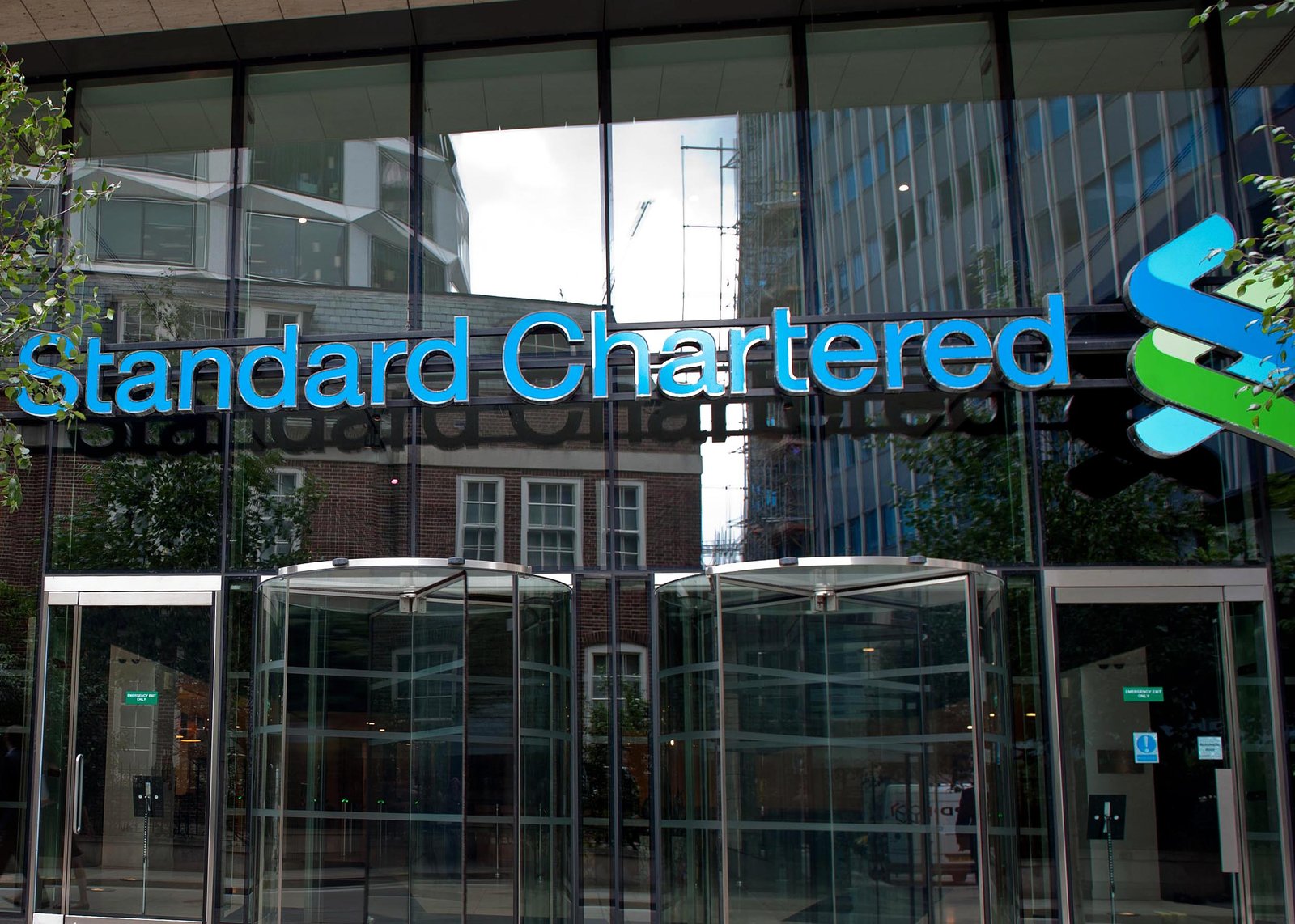
In an effort towards concentrating and focusing more on digital banking, the British banking and financial service group, Standard Chartered Plc, is reported to have concluded plans to close down at least half of its Nigerian branches.
This is coming at a time the banking industry in Nigeria is facing stiff competition from payment service providers especially the mobile telecommunications companies, who were recently granted an operating license by the Central Bank of Nigeria (CBN).
According to a report from Bloomberg, the Nigerian subsidiary of the London-listed bank has already shut down some of its offices in December and will eventually reduce its branches to only 13 in the country from about 25.
The report pointed out that some insiders who wanted to remain anonymous said that as part of its strategy in the new dispensation, Standard Chartered Bank will be strengthening its mobile banking services and recruit agents to reach new customers and handle cash deposits and withdrawals across the country.
The new focus of Standard Chartered Bank is a reflection of efforts by Nigerian banks to embrace digital banking amid a fintech boom that has put much of Africa on the cutting edge of the revolution in mobile money.
Instead of opening more physical branches, Nigerian banks are also cutting costs by building networks of authorized agents, or people within communities to sell their products and services.
Recall that in November 2021, the approved oval in principle for Payment Service Bank (PSB) licenses to MTN Nigeria and Airtel Africa as part of its objective of enhancing financial inclusion and the development of the payment system through a secured technology-driven environment.
The enhanced financial inclusion will also help increase access to deposit products and payment/remittance services to small businesses, low-income households and other financially excluded entities through high-volume low-value transactions in a secured technology-driven environment.
The financial technology space in Nigeria has become quite a competitive subsector in the economy with a reported 250 companies in the system.
Financial technology is an initiative that aims at delivering financial services to consumers – the technologies may include the internet, apps, mobile phones and other technological devices with these companies offering services such as money transfer, depositing a check with your mobile phone, applying for credits, raising funds for business.

Related Posts
ZB Bank Appoints Arthur Matsaudza as new CEO
The Board of Directors of ZB Bank has announced the appointment of Arthur Matsaudza as the bank’s new…
 By
ByAfreximbank deepens support for Uganda’s new growth ambitions
The African Export-Import Bank (Afreximbank) is strengthening its partnership with Uganda as the country advances its Tenfold Growth…

Absa promotes Nivash Sewgobind to Head of Performance Analytics
Nivash Sewgobind has been promoted to Head of Performance Analytics & Business Partnering at Absa Group, marking a…

The Hidden Cost of Doing Business in Nigeria
Modupe Coker The biggest obstacle facing many entrepreneurs in Nigeria is not a shortage of ideas or effort.…





Gallery