NSE Harps on High Sustainability Reporting Standards

The Nigerian Stock Exchange (NSE) has held itself accountable to the highest standards regarding sustainability reporting and will continue to do more.
The Divisional Head, Shared Services, NSE, Mr. Bola Adeeko, noted this at the sustainability reporting implementation workshop organised by the exchange and Global Reporting Initiative (GRI) recently in Lagos.
Adeeko speaking, the NSE has become more resilient in its commitment to influencing its ecosystem towards sustainable business practices and creating structures to implement reporting in line with their business peculiarities.
He explained that NSE began its journey to developing the sustainability disclosure guidelines in 2015 with the hosting of the maiden edition of the Nigerian Capital Market Sustainability Conference.
He said the conference brought together global thought leaders in sustainability reporting whose recommendations formed part of the foundation for the drafting of the guidelines, noting that SEC approved the guidelines in 2018 and reporting has commenced effective January 2019.
He stated further, “We are aware of the role Environmental, Social and Governance (ESG) performance will play in maintaining business relations, access to markets and capital in the nearest future. Therefore, disclosure of ESG performance will enable stakeholders to engage with and understand a company’s true value, highlighting tangible and intangible materiality. Strong ESG performance thus attracts the growing number of investors interested in the long term sustainability of their investments”.
The NSE official said the exchange had received immense support from our implementing partner, GRI and hoped this workshop became a reference for the needed knowledge for participants to steer sustainability reporting in their respective businesses.
“The NSE will continually explore partnership opportunities to catalyze new initiatives and raise awareness on the need for responsible business practices,” he said.
He stated that the diversity of participation at the workshop reflected one of its central tenets, which is to reveal how organisations can go beyond corporate responsibilities and start creating value through sustainability and reporting in line with global standards.
“The solutions to the social and economic challenges threatening Nigeria and the African region, require commitments and contributions from all stakeholders,” he added.
Meanwhile, trading at the stock market remained bearish with the NSE All-Share Index, declining 0.14 per cent to close at 31,082.32. Similarly, market capitalisation shed N16.1 billion to close at N11.6 trillion.
However, activity level improved as volume and value traded rose by 39.5 per cent and 60.7 per cent to 286.6 million shares and N3.1 billion respectively. The most traded stocks by volume were Access Bank Plc (84.7 million shares), UBA (40.9 million shares) and Zenith Bank Plc (22.2 million shares).

Related Posts
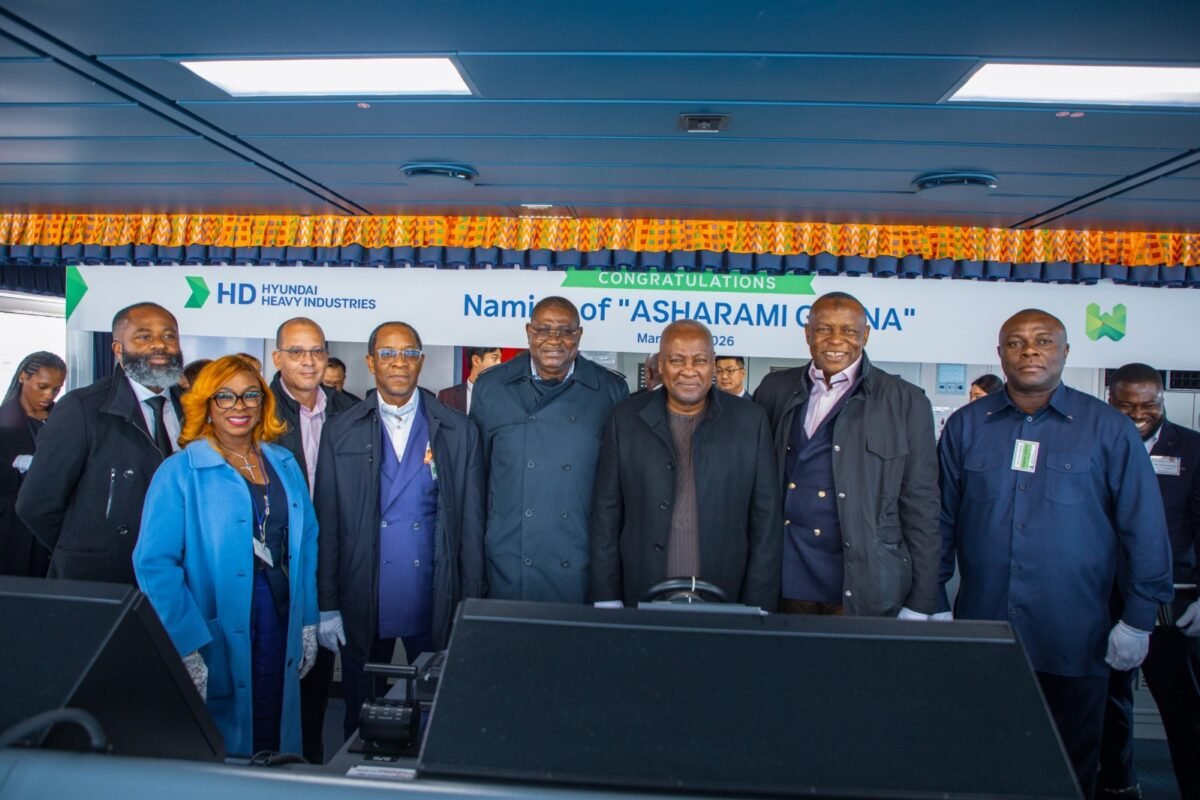
Sahara Group boosts Ghana’s clean energy supply with 40,000 CBM LPG vessel
Sahara Group has commissioned the MT Asharami Ghana, a 40,000 cubic metre Liquefied Petroleum Gas (LPG) carrier, bolstering…
 By
ByMSC expands Nigeria footprint with 45-year terminal deal in Lagos
Mediterranean Shipping Company (MSC), the world’s largest container shipping line, has signed a 45-year concession agreement to develop…
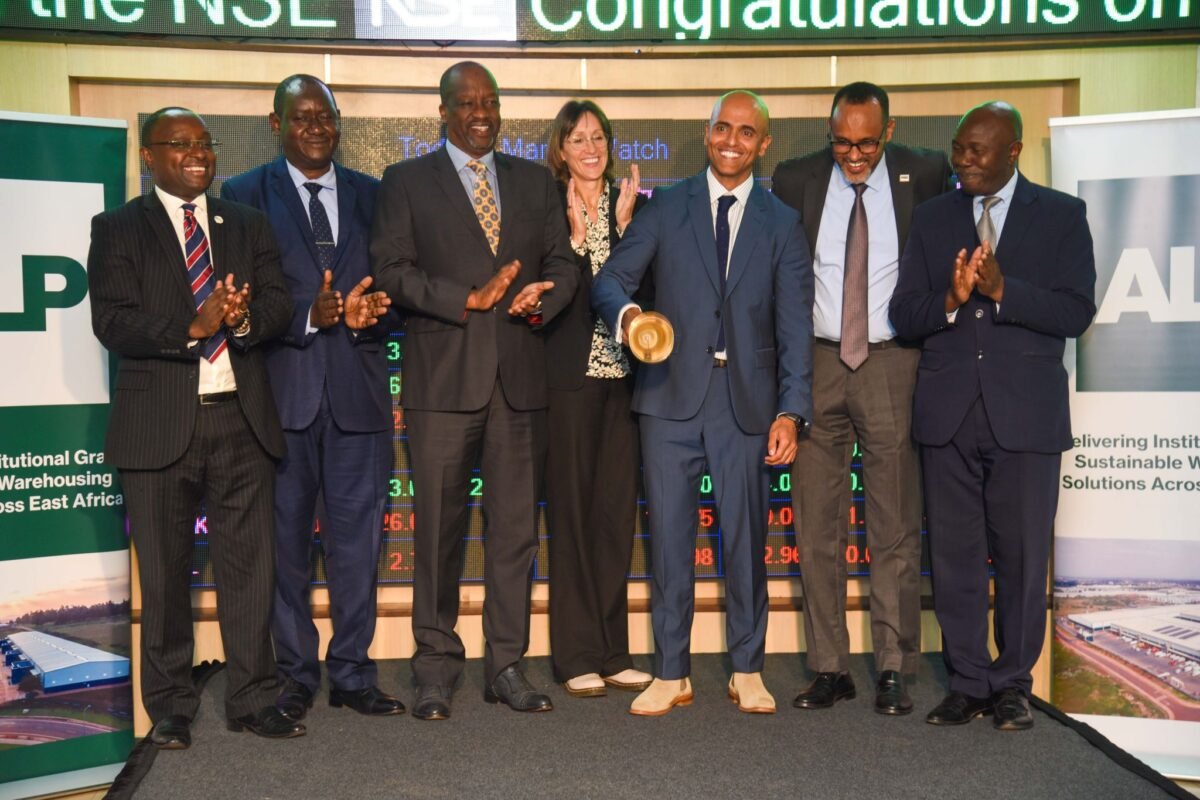
NSE celebrates landmark listing of ALP Industrial REIT
The Nairobi Securities Exchange (NSE) entered the record books,as Africa Logistics Properties Holdings Limited (ALPH) rang the opening…
Sidney Wafula to assume role of BAT Kenya Managing Director in June
British American Tobacco (BAT) Kenya has unveiled a key executive shake-up as part of its succession strategy, naming…





Gallery