NEW: PenCom: Pension funds must drive Nigeria’s economic impact

Omolola Oloworaran, Director General of the National Pension Commission (PenCom), provided deep insights into the evolving role of pension funds in Nigeria’s economy, emphasizing a shift from pure capital preservation to active economic impact and long-term stewardship.
Evolution from Safety to Economic Impact
Reflecting on the 22-year journey since the Pension Reform Act, Oloworaran noted that the industry began with a singular focus on safety and ensuring retirees enjoy dignity. Today, with pension assets approaching ₦30 trillion, the conversation has matured significantly.
“We have moved from just safety and dignity to impact,” she said. “Pension funds must stop being passive allocators and become active stewards, shaping the economy where their assets are invested.”
She highlighted the inauguration of the Pension Industry Leadership Council as a key step toward greater engagement and economic contribution
Navigating Market Volatility with Quality Investments
Addressing concerns around asset volatility, including recent movements in gold and equities, Oloworaran stressed the importance of quality and diversification over short-term noise.
“Quality is what is important,” she explained. “If you invest in quality names like Apple, even when the stock price dips temporarily, it stabilises over time. The same principle applies here.”
She noted that while increased equity exposure brings both gains and temporary losses, pension funds manage volatility through balanced allocations across asset classes, including defensive and higher-risk portfolios.
Unlocking Pension Capital for Infrastructure Development
During a recent high-level panel session at the FSDH Investor Conference, Oloworaran challenged the common narrative of “unlocking” pension funds, insisting instead that the real issue is the scarcity of bankable and investable projects.
“The capital is there and pension funds are ready to invest at scale,” she stated. “What we need are assets with certain cash flows, strong corporate governance, and credible sponsors.”
She emphasised that pension funds have a natural interest in infrastructure development but will only commit when projects meet stringent investment criteria.
Collaboration and First-Loss Capital
The PenCom DG called for stronger collaboration among the government, development finance institutions (DFIs), regulators, and the private sector to create a robust pipeline of bankable infrastructure projects. She ruled out pension funds taking first-loss positions due to their fiduciary duty but praised initiatives like Infracredit and recent first-loss capital arrangements by the Ministry of Finance.
PenCom is also working on an infrastructure consortium with FSD Africa to deliberately channel capital into the sector.
Macroeconomic Stability Amid Global Uncertainties
Commenting on global disruptions, including geopolitical tensions and shifting interest rate expectations, Oloworaran commended the Central Bank of Nigeria (CBN) for maintaining relative stability in exchange rates and inflation.
She advocated for scenario planning rather than rigid forecasts in the current unpredictable global environment and highlighted PenCom’s regulatory adjustments — including increasing infrastructure allocation limits from 22.5% to 37% — as measures to help pension funds hedge against inflation and currency risks through investment in the real economy.
Diversification Trends and Informal Sector Inclusion
Looking at 2026 trends, Oloworaran observed that pension funds are actively diversifying away from heavy government bond concentration (now below 60%) toward equities and alternative assets.
On the contributor side, she expressed optimism about revamping the micro-pension initiative, now rebranded as the Personal Pension Plan, and introducing accredited pension agents — potentially including fintechs — to bring informal sector workers into the system. She ambitiously projected that successful implementation could push pension assets toward ₦100 trillion in the next five years.
Housing Policy Success and Government Reforms
Oloworaran described the policy allowing contributors to draw down part of their savings for mortgage repayment as highly successful, noting significant improvements in processing after shifting responsibility to the industry.
She expressed strong optimism about the current administration’s reforms, particularly the clearance of long-outstanding pension liabilities and efforts to create bankable housing and infrastructure projects.
Safety of Contributors’ Funds Remains Paramount
When asked what keeps her up at night, Oloworaran was unequivocal:
“What keeps me up at night is essentially the safety of the funds that we hold for Nigerians.”
Her remarks underscored PenCom’s dual mandate of protecting retirees’ savings while positioning the pension industry as a transformative force in Nigeria’s economic development.

Related Posts

Gulf Energy delivers onshore rig to Mombasa Port for Turkana Crude Oil Drilling
Kenya has taken another major step towards achieving its first crude oil production after Gulf Energy E&P BV…
 By
ByNEW: Ardova Plc secures 100% stake in Powergas and PEL
Ardova Plc is set to expand its presence in Nigeria’s natural gas market after an Ardova-led consortium, including…
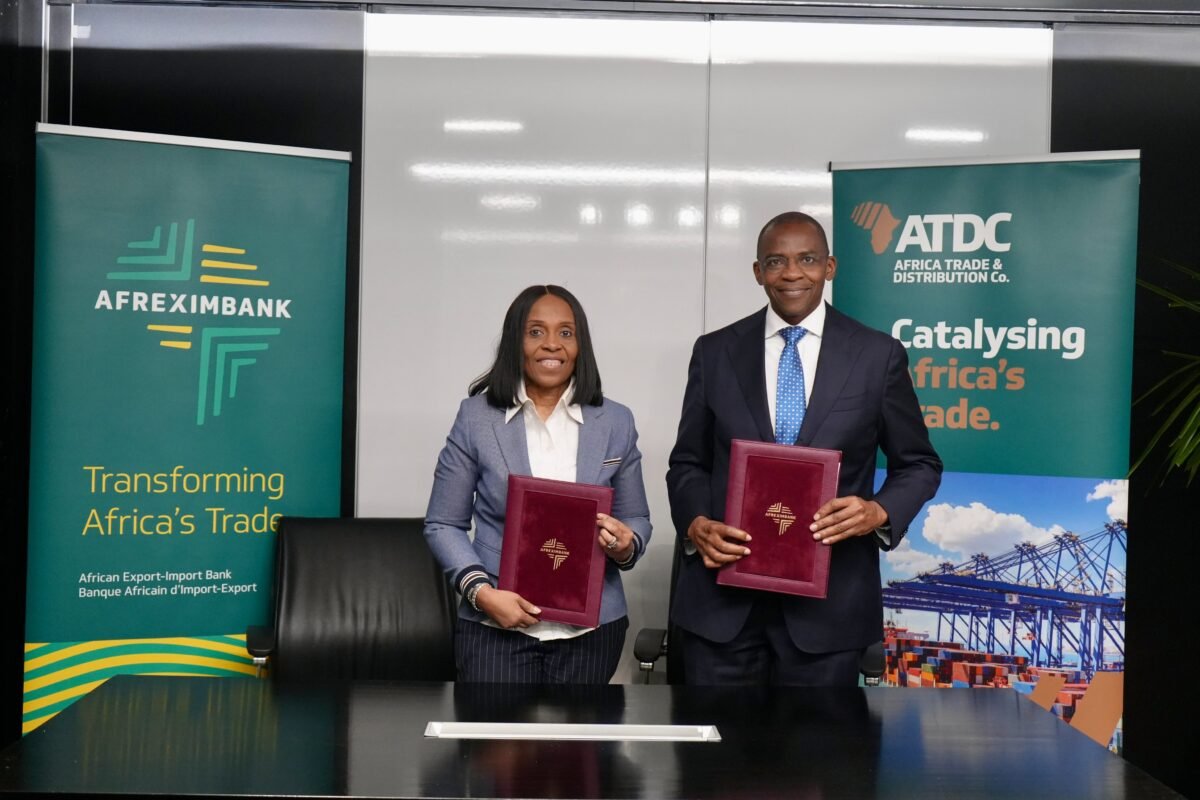
Afreximbank secures $529m guarantee and facility
To boost African trade infrastructure Afreximbank has taken significant steps to strengthen the infrastructure and financial architecture supporting…
Kenya Power showcases decade of transformation at Global Energy Forum
Kenya Power Managing Director and Chief Executive Officer Dr. (Eng.) Joseph Siror has highlighted the utility’s significant progress…





Gallery