 By
By
Very interesting information!Perfect just what I was looking for! “Time is money.” by Benjamin Franklin.
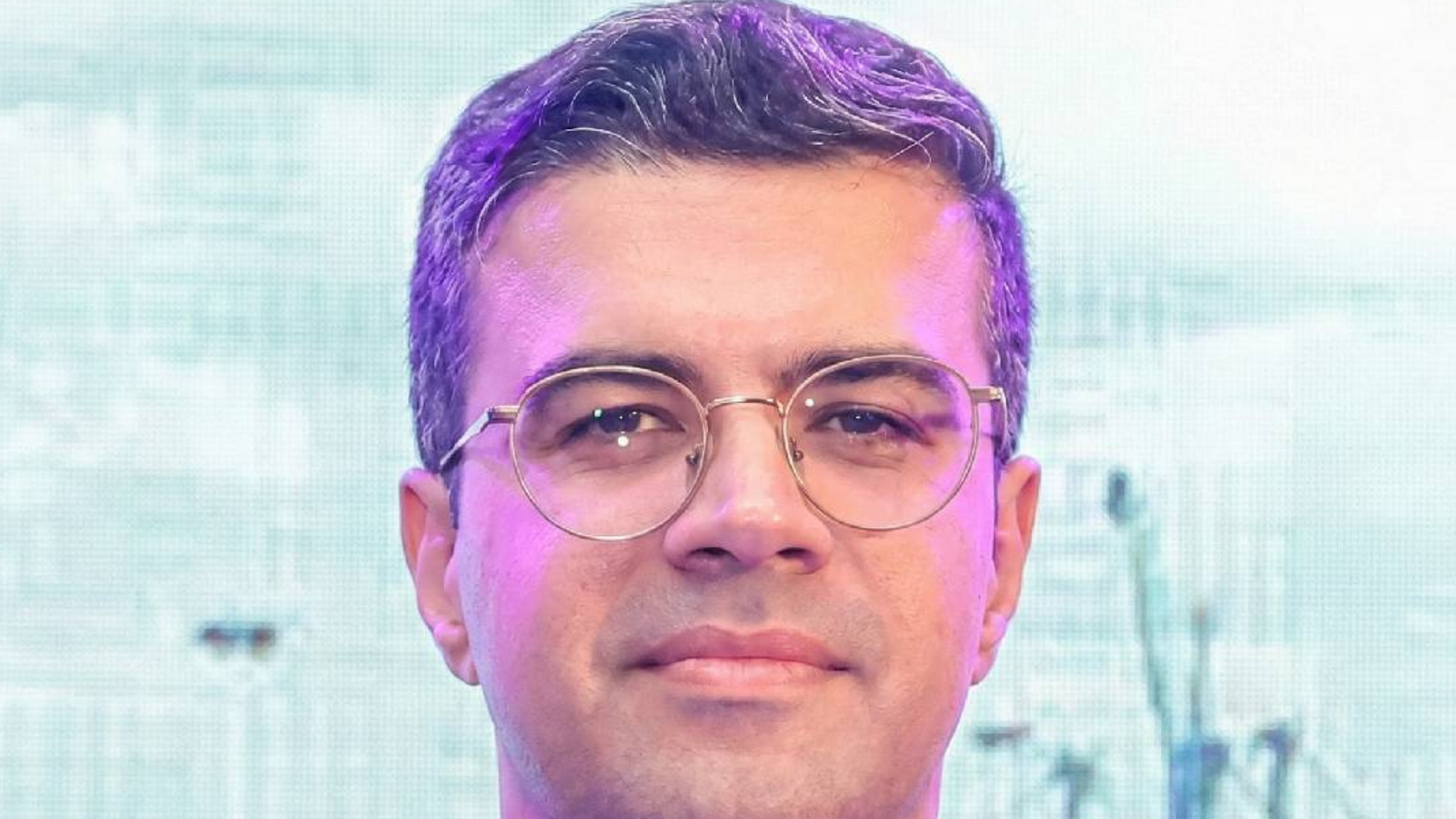
Despite lingering global uncertainties, including tensions in the Middle East, Ghana’s economy is on track to deliver strong and resilient growth in 2026, according to new projections from Standard Bank.
The country is expected to expand by between 5.9% and 6.1% next year, building on a stronger-than-anticipated performance in 2025, where real GDP growth reached 6%, surpassing earlier forecasts of 5.6–5.8%.
“Growth exceeded our expectations, printing at 6% for 2025,” said Jibran Qureishi, Head of Africa Research at Standard Bank, during a recent webinar hosted by Stanbic Bank Ghana titled Positioning for What’s Next: Navigating Ghana’s Evolving Market Landscape.
“Given the base has changed now and is higher than we had expected, we still believe that growth in 2026 will be between 5.9% and 6.1%, with potential to pick up to between 6.2% and 6.3% in 2027,” he added.
Strong Structural Drivers Underpin Outlook
Qureishi attributes the optimistic medium-term outlook to a combination of structural improvements and sustained momentum in key sectors.
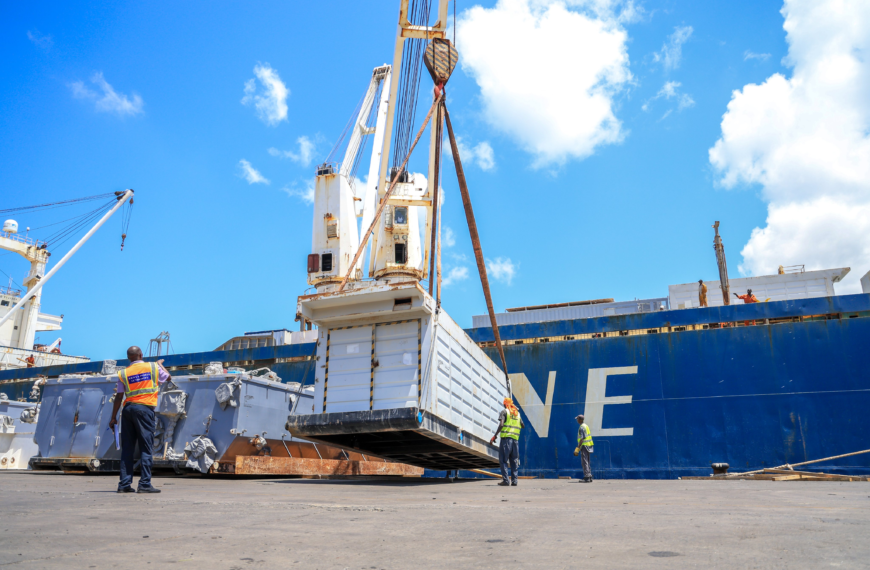
Public investment in critical infrastructure is playing a pivotal role. Major projects such as the recently commissioned Tema Port expansion, the ongoing Accra-Tema motorway expansion, and the reconstruction of Kumasi Airport are expected to generate significant multiplier effects across the broader economy.
In the mining sector, enhanced regulatory oversight by the newly established Gold Board is anticipated to curb illicit flows in artisanal mining, potentially unlocking fresh investment and improving operational efficiency in what remains one of Ghana’s most important export earners.
Gold Programme Provides Vital Buffer
A standout element in Ghana’s economic resilience has been the Bank of Ghana’s domestic gold purchase programme. Although the initiative has recorded accounting losses due to high sterilisation costs amid excess liquidity, Qureishi noted that policymakers remain committed to the programme, viewing its strategic benefits as outweighing short-term fiscal pressures.
ALSO READ: KCB BANK, INCHAPE OFFER UP TO 95% FINANCING FOR NEW HOLLAND TRACTORS IN KENYA
“The sterilisation cost is what has ultimately predominantly caused this loss for the Bank of Ghana. However, in our discussions with policymakers and authorities in Ghana, we still expect them to remain steadfast on the domestic gold purchase program,” he explained.
Standard Bank maintains a constructive outlook on gold prices, supported by strong demand from emerging market central banks and anticipated weakness in the US dollar index, a favourable development for Ghana as gold exports continue to rise.
A “Low Beta” Economy Less Exposed to External Shocks
One of the more intriguing shifts in Ghana’s macroeconomic profile has been the sharp decline in foreign investor participation in the local debt market,now below 5%, compared to nearly 40% pre-pandemic. While this has narrowed external financing options, it has also insulated the economy from volatile portfolio flows.
This structural change, Qureishi noted, has transformed Ghana into what Standard Bank describes as a “low beta market” , one that is less sensitive to global market turbulence and better positioned to sustain steady growth even amid international headwinds.
Positive Medium-Term Trajectory
With improving foreign exchange buffers, ongoing infrastructure development, and a resilient mining sector, Ghana enters 2026 on a firmer footing. According to Qureishi and the Standard Bank Africa Research team, the combination of these domestic strengths should enable the economy to navigate global uncertainties while maintaining a robust growth path through 2027.
As one of Africa’s most diversified and reform-oriented economies, Ghana continues to demonstrate the potential for sustained, high-quality growth driven by both public investment and private sector dynamism.

Stanbic Bank Kenya has appointed Michael Mutiga as its new Chief Executive Officer, effective August 1, 2026, subject to regulatory…
Dangote Industries’ proposed KSh2.2 trillion East African oil refinery has taken another major step toward implementation after the Kenyan government…
Airtel Kenya has appointed Djibril Tobe as its new Managing Director, effective July 1, 2026, marking a new leadership chapter for…
United Bank for Africa (UBA) has reaffirmed its commitment to Ghana’s economic transformation by pledging to leverage its…