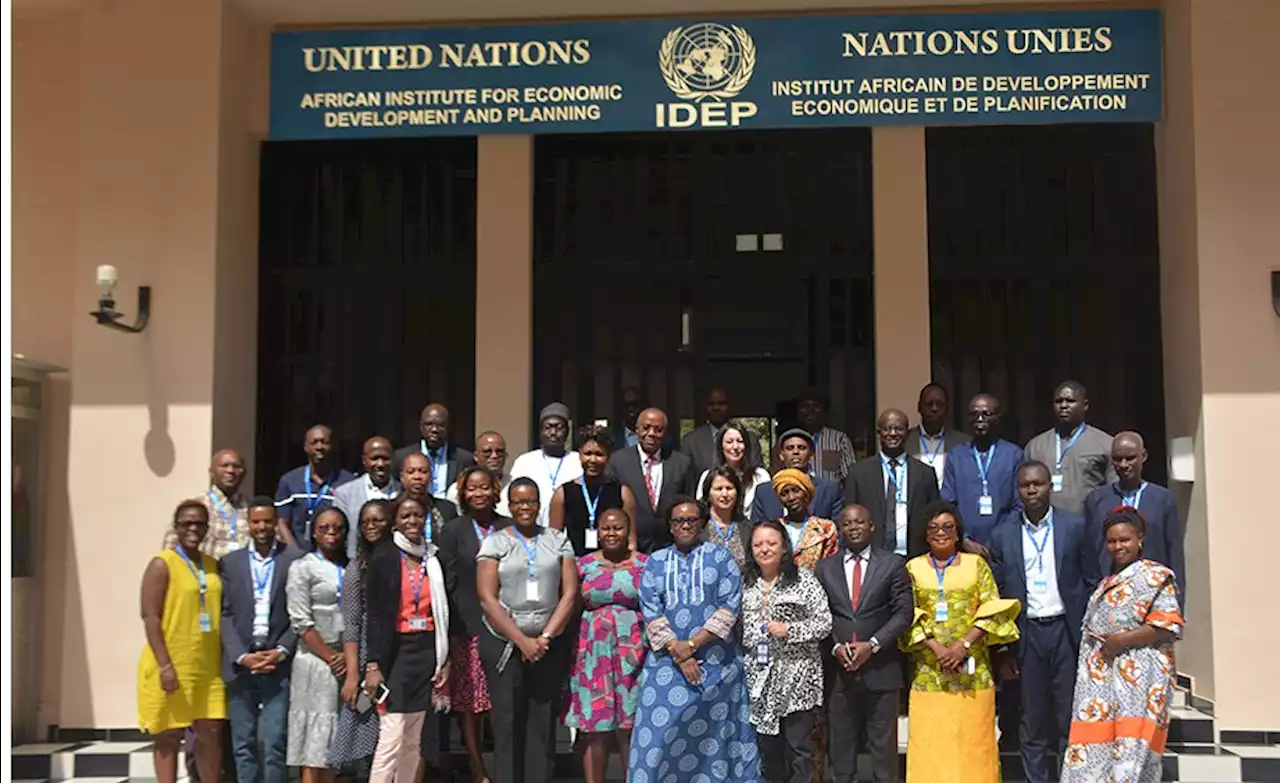
African Institute for Economic Development and Planning, UNDP organizes face – to – face training for twenty-three participants

The African Institute for Economic Development and Planning (IDEP) in collaboration with The United Nations Development Program Regional Service Center for Africa (UNDP-RSCA), and the financial support of the Government of Canada has organized in Dakar, a face-to-face training on “Gender-responsive economic policy management within the context of the post-COVID19 recovery”.
Twenty-three participants of which ten women from all the five subregions of the continent (West Africa: Gambia, Ghana, Guinea-Bissau, Niger, Senegal, Sierra Leone; East Africa: Eritrea, Ethiopia, Kenya and Uganda; Southern Africa: Lesotho, Malawi, Namibia and Zimbabwe; North Africa: Soudan and Tunisia; Central Africa: Cameroun, Central Africa, Congo, Democratic Republic of Congo and Chad) attended the training.
The face-to-face training was a follow-up to an online training that took place from 23rd January to 17th February 2023 and attended by 318 participants in critical policies issues such as: gender and macroeconomics, gender responsive analysis, gender and trade, and gender and gender budgeting.
Karima Bounemra Ben Soltane, the IDEP Director, underlined that “multiple crises and COVID have differently impacted women, men and young people and that it is important to do an analysis of the situation in order to develop appropriate gender related policies for the achievement of the Sustainable Development Goals (SDGs)”.
Njoya Tikum, Regional Coordinator of the UNDP Sub-Regional Office for West and Central Africa, reiterated the importance of gender sensitive economic policies. “Well-designed macroeconomic, structural, and financial policies can support efficient and inclusive outcomes and equitably benefit women, girls, and society in general. As the world is intensifying COVID-19 recovery efforts, the focus must be on designing gender-sensitive policies and strategies to catalyse faster recovery from recent shocks and a strong engine of growth for more resilient, sustainable, and inclusive economies,” he said.
Tsitsi Fungurani, Representative of Government of Canada reminded that “Canada strongly believes in the importance of the international community working collaboratively to design and implement gender-responsive solutions that address the far-reaching gendered impacts of the pandemic and to ensure the alignment of countries’ policies in support of a strong, resilient, inclusive, and green recovery.”
The course was designed in the framework of the Gender and Economic Policy Management Initiative (GEPMI), initially launched by UNDP in 2010 in cooperation with IDEP and other international organizations. The training is anchored on the appreciation of evidence that investing in gender equality such as increasing women’s access to health care, employment and credit, can accelerate economic growth and reduce poverty, and that persistent gender inequalities reduce prospects for economic growth. Yet, attention to gender equality is still lacking in economic policy formulation and implementation. The lack of attention to gender equality is usually associated with the absence of critical competencies to design, implement and monitor gender-responsive policy.
The modules were revised by UNDP and IDEP to reflect the current development challenges and to integrate the SDGs, the African Continental Free Trade Area (AfCFTA), the Africa Union Agenda 2063, COVID-19, the care economy, and priority issues identified by Regional Economic Communities (RECs).
The current GEPMI training thus aims to strengthen the capacity of RECs and their respective Member States on how to integrate gender in economic policies and national development plans and facilitate the creation of an enabling environment for inclusive economic development.
The 23 trainees received a certification of completion and were encouraged to create and actively participate in a platform for peer learning and knowledge sharing among policymakers on key gender related emerging issues.

Related Posts
DLM Capital completes milestone payout on sovereign-backed notes
DLM Capital Group, one of Nigeria’s leading development investment banks, has completed the first scheduled principal and coupon…
 By
ByKCB Bank Kenya Appoints Peter Kipkorir Ng’eno as Director of Corporate Banking
KCB Bank Kenya has appointed Peter Kipkorir Ng’eno as Director of Corporate Banking, effective March 27, 2026, pending…
Lai Labode: Building Africa’s first cash reward ecosystem
Dr. Lai Labode is a distinctive combination of business strategist, cultural innovator, and deep thinker, whose work effortlessly…
Sahara Group boosts Ghana’s clean energy supply with 40,000 CBM LPG vessel
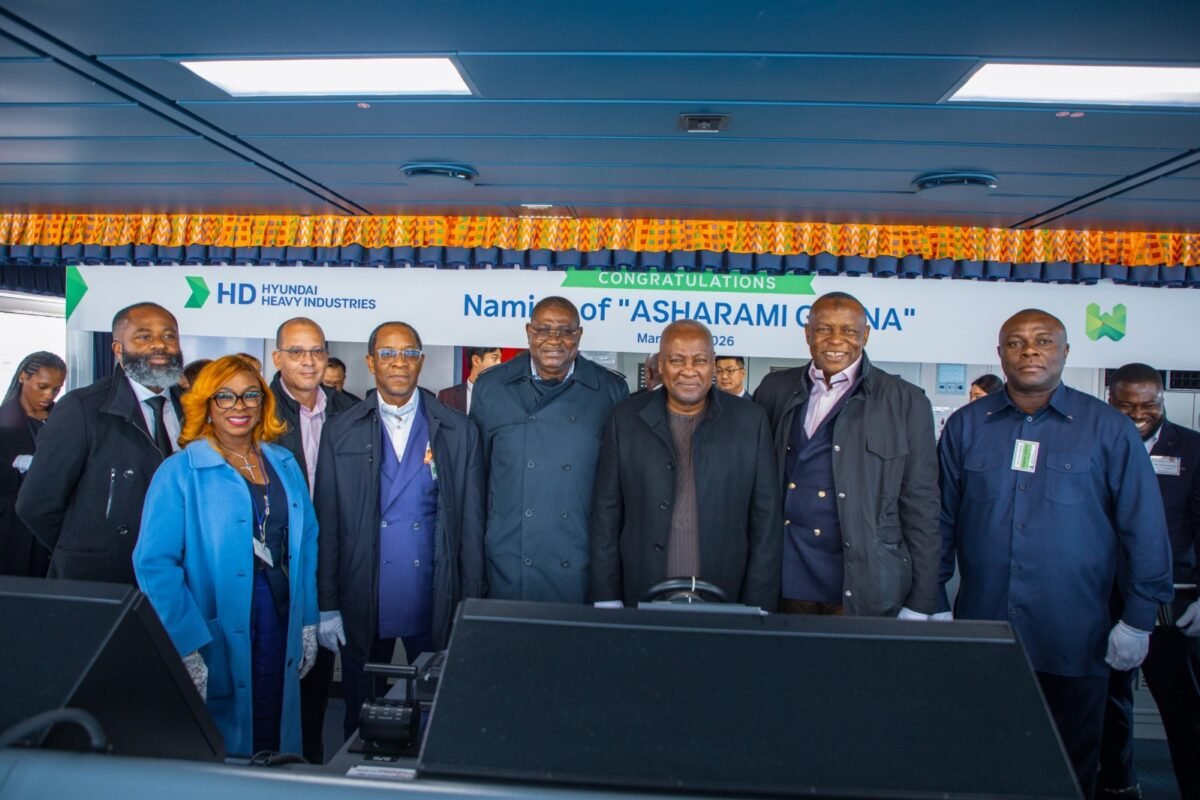
Sahara Group has commissioned the MT Asharami Ghana, a 40,000 cubic metre Liquefied Petroleum Gas (LPG) carrier, bolstering…





Gallery