Ghana: BoG commits to launching e-Cedi before 2026

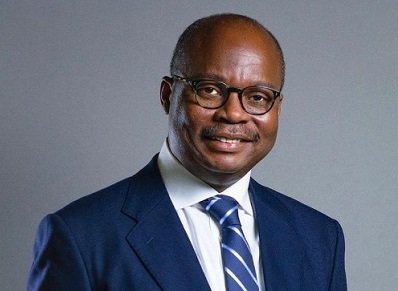
Bank of Ghana Governor Dr. Ernest Addison has affirmed that the highly anticipated e-Cedi, the digital currency of the country, will be launched by the close of 2026.
The Governor acknowledged progress made in the e-Cedi’s development, but attributed the delay in its launch to economic dislocation caused by the events of 2022.
“Probably, it could be earlier than that. As I mentioned, we have reached a point of trying to understand the commercials a little bit more,” said Dr. Addison during an interview held on the side-lines of the Eastern Caribbean Central Bank (ECCB) 40th anniversary and Central Banking Autumn meetings in Saint Kitts and Nevis in November 2023.
Dr. Ernest Addison further elaborated that following the successful pilot phase in Sefwi Asafo, discussions on the commercial aspects of the e-Cedi were initiated. However, the onset of the COVID-19 pandemic and the ensuing economic crisis prompted the central bank to temporarily suspend the digitization process.
The pilot phase played a crucial role in the nation’s strategy to improve financial inclusion and advance digitalization. Despite facing setbacks due to economic challenges, the central bank maintains optimism about the future success of the e-Cedi.
In December 2023, the Bank of Ghana revealed the winners of the inaugural e-Cedi hackathon, showcasing the fervent participation of the fintech community. This competition, which drew 88 initial applicants, aimed to spur innovation and partnerships related to the central bank’s new digital currency. Out of the applicants, 10 finalists were chosen to present their e-Cedi solutions, addressing various sectors including agriculture, government payments, business transactions, taxation, and more.
Dr. Addison provided insights into the e-Cedi pilot’s status, emphasising its offline operational capacity. “The central bank did a lot of things due to favourable conditions at the end of 2019,” he explained. The pilot, conducted in some of the country’s remotest parts, featured an offline version of the digital currency to ensure usability in areas with limited connectivity infrastructure.
“The Ghanaian population is used to mobile money, so the concept of a digital currency was easily absorbed – it’s not an alien concept to people,” Dr. Addison highlighted. Positive results from the pilot, wherein participants were given a certain value to spend within their locality, demonstrated the e-Cedi’s potential success.
Despite the economic challenges in 2022 leading to a reassessment of priorities, Dr. Addison highlighted that efforts to launch the e-Cedi are still in progress. The central bank’s approach involves adopting a retail token-based Central Bank Digital Currency (CBDC) stored locally on various devices. This strategy aims to replicate the conventional characteristics of physical cash while integrating additional functionalities.
“The e-Cedi’s successful deployment could have a significant impact on the country, helping to augmentthe government’s digitalisation agenda and foster financial inclusion,” Dr. Addison stressed. The Bank of Ghana seeks to reinforce its role as an active regulator and facilitator of a digital economy, aligning with the nation’s evolving financial landscape.
As Ghana makes strides in its digital currency initiatives, the e-Cedi hackathon stands out as a pivotal milestone, nurturing innovation and aligning with the country’s objectives of enhancing financial access and driving digital transformation. With the Bank of Ghana’s Governor providing assurances, expectations are mounting for the official launch of the e-Cedi, anticipated to usher in transformative changes to the nation’s financial ecosystem.

Related Posts

VFD Group appoints Ijeoma Emezie-Ezigbo as new Deputy Managing Director
VFD Group has appointed Ijeoma Emezie-Ezigbo as Deputy Managing Director, bringing a seasoned deal-advisory leader into its executive…
 By
ByAnne Juuko leads East African Development Bank as new CEO
The East African Development Bank has appointed Anne Juuko as its new chief executive, placing a seasoned banking…

Etihad, Ibom Air sign new Interline agreement linking Nigeria to global network
Etihad Airways, the national carrier of the United Arab Emirates, and Nigerian airline Ibom Air have signed an…

Lazola Sikupela takes new role of HR Director, Africa at Diageo
Diageo has promoted Lazola Sikupela as Human Resources Director for Africa, elevating a leader who has risen through…





Gallery