Ghana: GSA Chief Executive Officer involves top shippers

The Chief Executive Officer of the Ghana Shippers’ Authority (GSA), Kwesi Baffour Sarpong, met with leading shippers in the Southern Zone to address costs and conditions at seaports, airports, and land borders.
This meeting, which took place on June 5, 2024, was the third in a series, following similar sessions in the Western and Middle Zones.
Mr. Sarpong highlighted GSA’s five-decade legacy of advocating for shippers’ interests in Ghana with innovative and tailored shipping solutions. He acknowledged the significant progress made but stressed the need for further improvements to mitigate costly port delays that hinder the competitiveness of Ghanaian businesses.
As GSA celebrates its golden jubilee, Mr. Sarpong emphasized the importance of staying responsive and relevant in the ever-evolving trade environment. He outlined GSA’s strategic repositioning, which includes classifying shippers into Platinum, Gold, Silver, and Bronze categories based on annual shipment values to address their unique challenges more effectively.
Furthermore, zonal shipper and stakeholder committees have been established to address specific regional issues, with Ghana divided into five operational zones: Northern, Middle, Eastern, Western, and Southern.
Highlighting the critical role of shippers in Ghana’s socio-economic development, the CEO shared data from the first quarter of 2024, showing a total international trade value of GH₵107 billion, including GH₵59.5 billion in exports and GH₵48.1 billion in imports.
He noted that in 2022, importers paid USD 24 million in demurrage, a cost contrary to Ghana’s economic development agenda. The CEO reaffirmed GSA’s goal of championing a ‘demurrage-free port’ in the interest of shippers and the national economy.
During the meeting, stakeholders raised concerns about prolonged port delays, high demurrage charges, inefficient cargo handling, and bureaucratic bottlenecks.
They expressed frustration over the impact of these challenges on their businesses, citing increased operational costs and reduced competitiveness in the global market.
In response, Mr. Sarpong acknowledged these concerns and outlined GSA’s strategic initiatives to address them. He emphasized the importance of collaborative efforts between the Authority and the stakeholders to create a more efficient and cost-effective shipping environment.

Related Posts
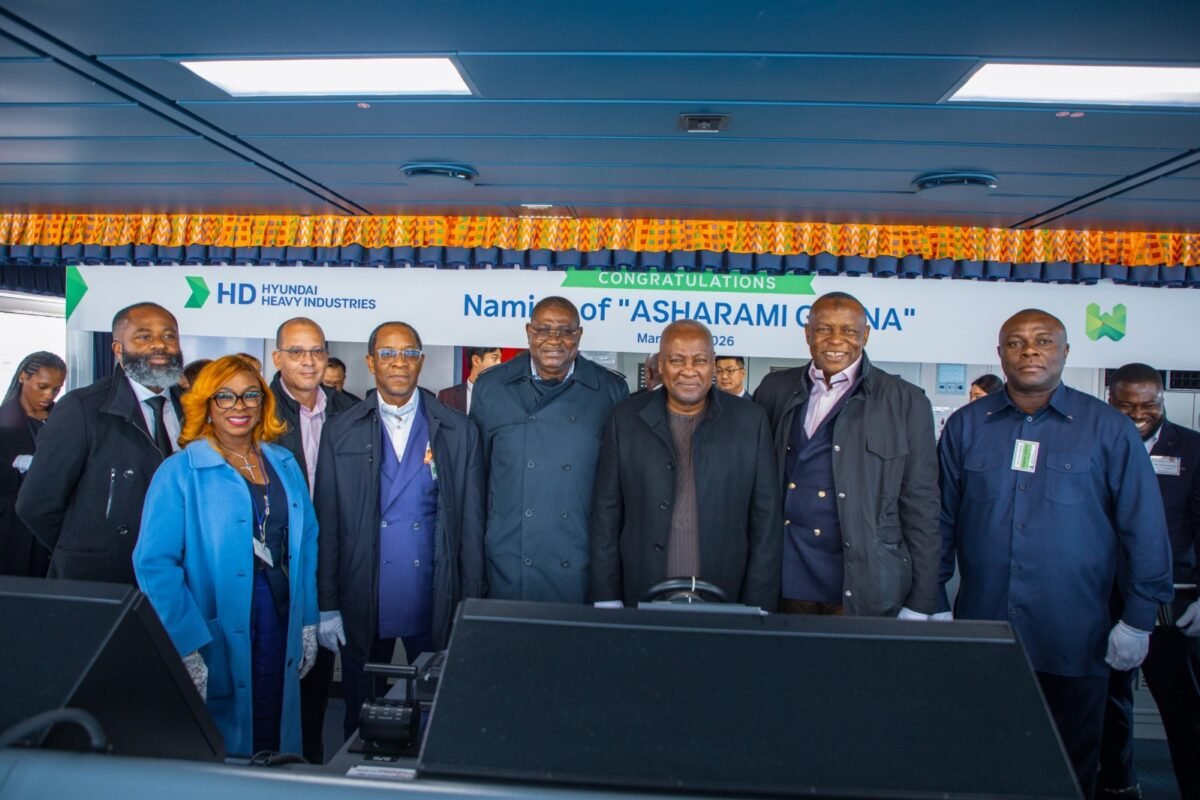
Sahara Group boosts Ghana’s clean energy supply with 40,000 CBM LPG vessel
Sahara Group has commissioned the MT Asharami Ghana, a 40,000 cubic metre Liquefied Petroleum Gas (LPG) carrier, bolstering…
 By
ByMSC expands Nigeria footprint with 45-year terminal deal in Lagos
Mediterranean Shipping Company (MSC), the world’s largest container shipping line, has signed a 45-year concession agreement to develop…

NSE celebrates landmark listing of ALP Industrial REIT
The Nairobi Securities Exchange (NSE) entered the record books,as Africa Logistics Properties Holdings Limited (ALPH) rang the opening…
Sidney Wafula to assume role of BAT Kenya Managing Director in June
British American Tobacco (BAT) Kenya has unveiled a key executive shake-up as part of its succession strategy, naming…





Gallery