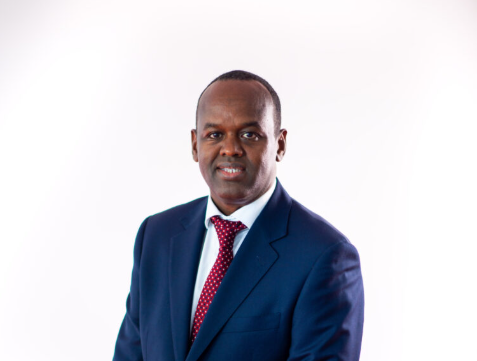
Global Growth to Slow through 2023, Says World Bank Group President David Malpass

World Bank Group President David Malpass has warned that the global economy will grow at a slow pace through 2023 amid fresh threats from COVID-19 variants.
He also added that a rise in inflation, debt, and income inequality that could endanger the recovery in emerging and developing economies.
He stated this in the World Bank’s latest Global Economic Prospects report were it states that the global growth is expected to decelerate markedly from 5.5 percent in 2021 to 4.1 percent in 2022 and 3.2 per cent in 2023 as pent-up demand dissipates and as fiscal and monetary support is unwound across the world.
He said: “The world economy is simultaneously facing COVID-19, inflation, and policy uncertainty, with government spending and monetary policies in uncharted territory. Rising inequality and security challenges are particularly harmful for developing countries putting more countries on a favorable growth path requires concerted international action and a comprehensive set of national policy responses.”
The report noted that the rapid spread of the Omicron variant indicates that the pandemic will likely continue to disrupt economic activity in the near term. In addition, a notable deceleration in major economies including the United States and China will weigh on external demand in emerging and developing economies.
At a time when governments in many developing economies lack the policy space to support activity if needed, new COVID-19 outbreaks, persistent supply-chain bottlenecks and inflationary pressures, and elevated financial vulnerabilities in large swaths of the world could increase the risk of a hard landing.
“The choices policymakers make in the next few years will decide the course of the next decade. The immediate priority should be to ensure that vaccines are deployed more widely and equitably so the pandemic can be brought under control. But tackling reversals in development progress such as rising inequality will require sustained support. In a time of high debt, global cooperation will be essential to help expand the financial resources of developing economies so they can achieve green, resilient, and inclusive development.”

Related Posts

APA Apollo acquires majority stake in Tanzania’s Meticulous Insurance and Metro Life
APA Apollo Group has completed the acquisition of a majority shareholding in Meticulous General Insurance Company Limited and…
 By
By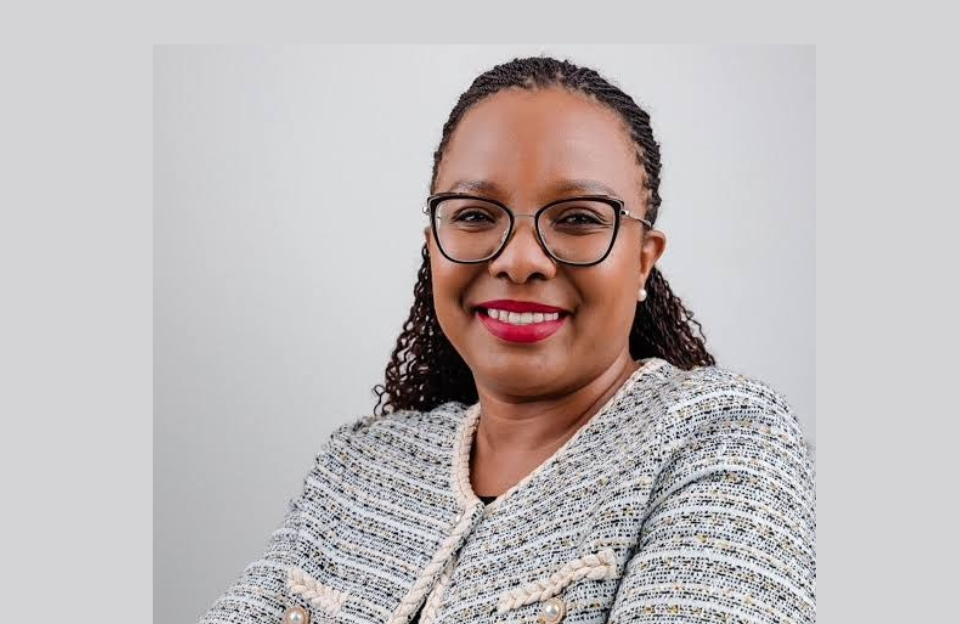
Jacqueline Karasha to take helm of SanlamAllianz Kenya
SanlamAllianz Kenya has appointed Jacqueline Karasha as Group Chief Executive Officer, effective 1 November 2026. She succeeds Dr.…

Unilever Nigeria reports 18% revenue surge to ₦184bn in Q3 2026
Unilever Nigeria Plc has reported revenue of N184 billion for the nine months ended September 30, 2026, an…
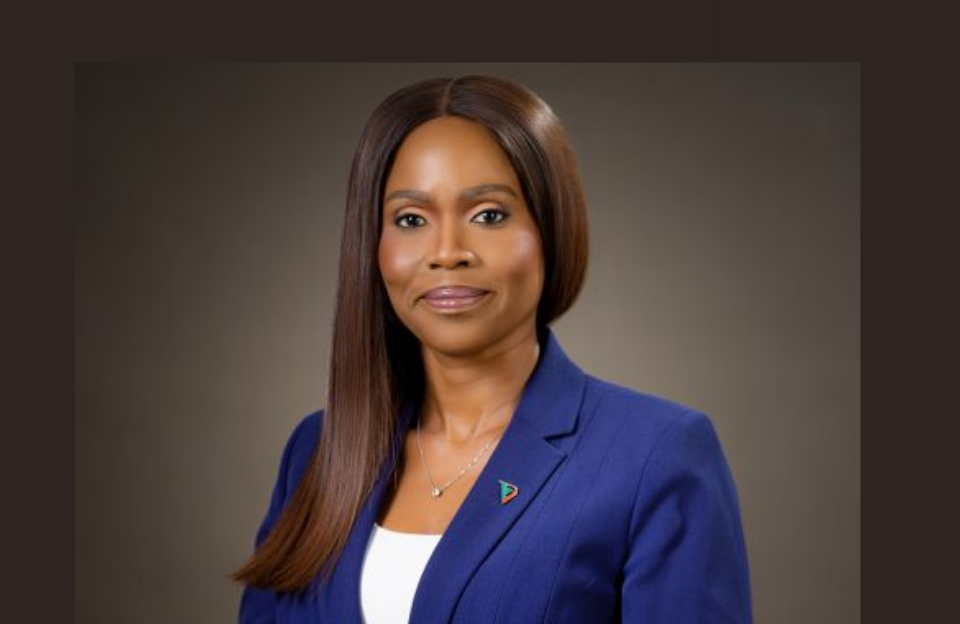
VFD Group appoints Ijeoma Emezie-Ezigbo as new Deputy Managing Director
VFD Group has appointed Ijeoma Emezie-Ezigbo as Deputy Managing Director, bringing a seasoned deal-advisory leader into its executive…





Gallery