Nigeria: Fuel Prices Surge by 15% in Major Cities as Market Forces Take Center Stage

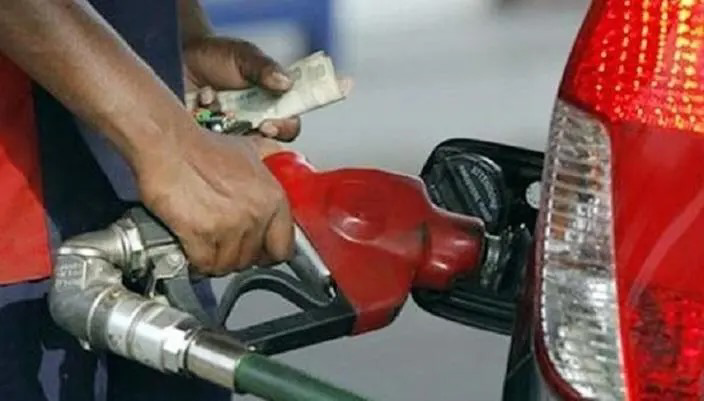
There has been a significant surge in petrol prices at the national oil company’s retail outlets in Abuja. The prices skyrocketed from N537 to N617 per litre, causing a ripple effect across the country as other outlets quickly followed suit by adjusting their prices. This sudden increase sent shockwaves throughout the nation.
Numerous petrol stations typically use the Nigerian National Petroleum Company Limited (NNPCL) as a reference for setting their petroleum product prices. Consequently, when the NNPCL adjusted its pump prices, there was a rapid increase in prices at other petrol stations as well. This adjustment triggered a widespread surge in prices across the board.
In Abuja, certain outlets escalated their prices to N620 per litre, while in Lagos, the NNPCL retail outlet in Ikoyi sold petrol at N568 per litre instead of the usual N490. However, by noon in Abuja, a few outlets, including A.A Rano, were selling petrol below N600 per litre. Similar price variations were observed across different locations in the country.
In Nigeria, the dynamics of price fluctuations are often more complex than the straightforward relationship between supply, demand, and market forces. Factors such as collusion among oil marketers and government agencies turning a blind eye can directly impact diesel prices. In the current situation, pressure from foreign exchange rates is playing a significant role in destabilizing prices.
Mike Osatuyi, the national operations controller of the Independent Marketers Association of Nigeria (IPMAN), explained that the recent increase in petrol prices was a result of NNPCL cargoes being factored into the pricing template, considering the current exchange rate between the dollar and the naira.
According to Osatuyi, there is a notable implementation of deregulation, stating, “We are witnessing the full force of deregulation as marketers are now setting their product prices based on market reality.”
The Nigerian Midstream and Downstream Petroleum Regulatory Authority (NMDPRA) issued licenses to six oil marketing companies last month, allowing them to import petroleum products. This decision was made to break the monopoly previously held by the NNPCL, as the government had been providing subsidies for the product. By granting these licenses, the NMDPRA aims to promote market diversification and foster healthy competition within the petroleum industry.

Related Posts

Lai Labode: Building Africa’s first cash reward ecosystem
Dr. Lai Labode is a distinctive combination of business strategist, cultural innovator, and deep thinker, whose work effortlessly…
 By
By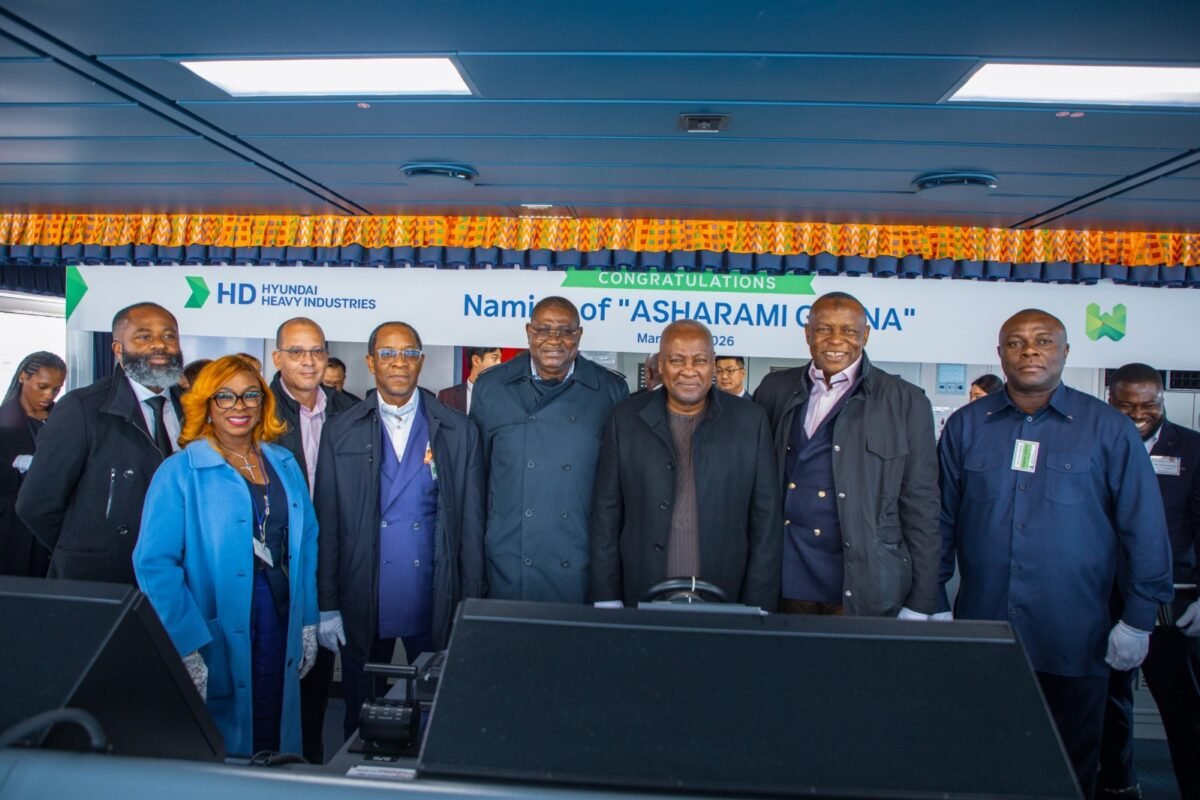
Sahara Group boosts Ghana’s clean energy supply with 40,000 CBM LPG vessel
Sahara Group has commissioned the MT Asharami Ghana, a 40,000 cubic metre Liquefied Petroleum Gas (LPG) carrier, bolstering…
MSC expands Nigeria footprint with 45-year terminal deal in Lagos
Mediterranean Shipping Company (MSC), the world’s largest container shipping line, has signed a 45-year concession agreement to develop…

NSE celebrates landmark listing of ALP Industrial REIT
The Nairobi Securities Exchange (NSE) entered the record books,as Africa Logistics Properties Holdings Limited (ALPH) rang the opening…




Gallery