Nigeria: Fuel Prices Surge by 15% in Major Cities as Market Forces Take Center Stage

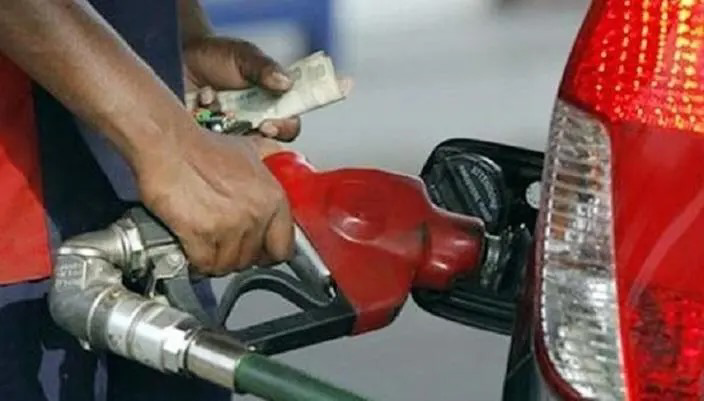
There has been a significant surge in petrol prices at the national oil company’s retail outlets in Abuja. The prices skyrocketed from N537 to N617 per litre, causing a ripple effect across the country as other outlets quickly followed suit by adjusting their prices. This sudden increase sent shockwaves throughout the nation.
Numerous petrol stations typically use the Nigerian National Petroleum Company Limited (NNPCL) as a reference for setting their petroleum product prices. Consequently, when the NNPCL adjusted its pump prices, there was a rapid increase in prices at other petrol stations as well. This adjustment triggered a widespread surge in prices across the board.
In Abuja, certain outlets escalated their prices to N620 per litre, while in Lagos, the NNPCL retail outlet in Ikoyi sold petrol at N568 per litre instead of the usual N490. However, by noon in Abuja, a few outlets, including A.A Rano, were selling petrol below N600 per litre. Similar price variations were observed across different locations in the country.
In Nigeria, the dynamics of price fluctuations are often more complex than the straightforward relationship between supply, demand, and market forces. Factors such as collusion among oil marketers and government agencies turning a blind eye can directly impact diesel prices. In the current situation, pressure from foreign exchange rates is playing a significant role in destabilizing prices.
Mike Osatuyi, the national operations controller of the Independent Marketers Association of Nigeria (IPMAN), explained that the recent increase in petrol prices was a result of NNPCL cargoes being factored into the pricing template, considering the current exchange rate between the dollar and the naira.
According to Osatuyi, there is a notable implementation of deregulation, stating, “We are witnessing the full force of deregulation as marketers are now setting their product prices based on market reality.”
The Nigerian Midstream and Downstream Petroleum Regulatory Authority (NMDPRA) issued licenses to six oil marketing companies last month, allowing them to import petroleum products. This decision was made to break the monopoly previously held by the NNPCL, as the government had been providing subsidies for the product. By granting these licenses, the NMDPRA aims to promote market diversification and foster healthy competition within the petroleum industry.

Related Posts

Lazola Sikupela takes new role of HR Director, Africa at Diageo
Diageo has promoted Lazola Sikupela as Human Resources Director for Africa, elevating a leader who has risen through…
 By
ByI&M Bank announces Abdi Mohamed as new Chief Executive Officer
I&M Bank Ltd has appointed Abdi Mohamed as its new Chief Executive Officer, following regulatory approval by the…
Gulf Energy delivers onshore rig to Mombasa Port for Turkana Crude Oil Drilling
Kenya has taken another major step towards achieving its first crude oil production after Gulf Energy E&P BV…
NEW: Ardova Plc secures 100% stake in Powergas and PEL
Ardova Plc is set to expand its presence in Nigeria’s natural gas market after an Ardova-led consortium, including…




Gallery