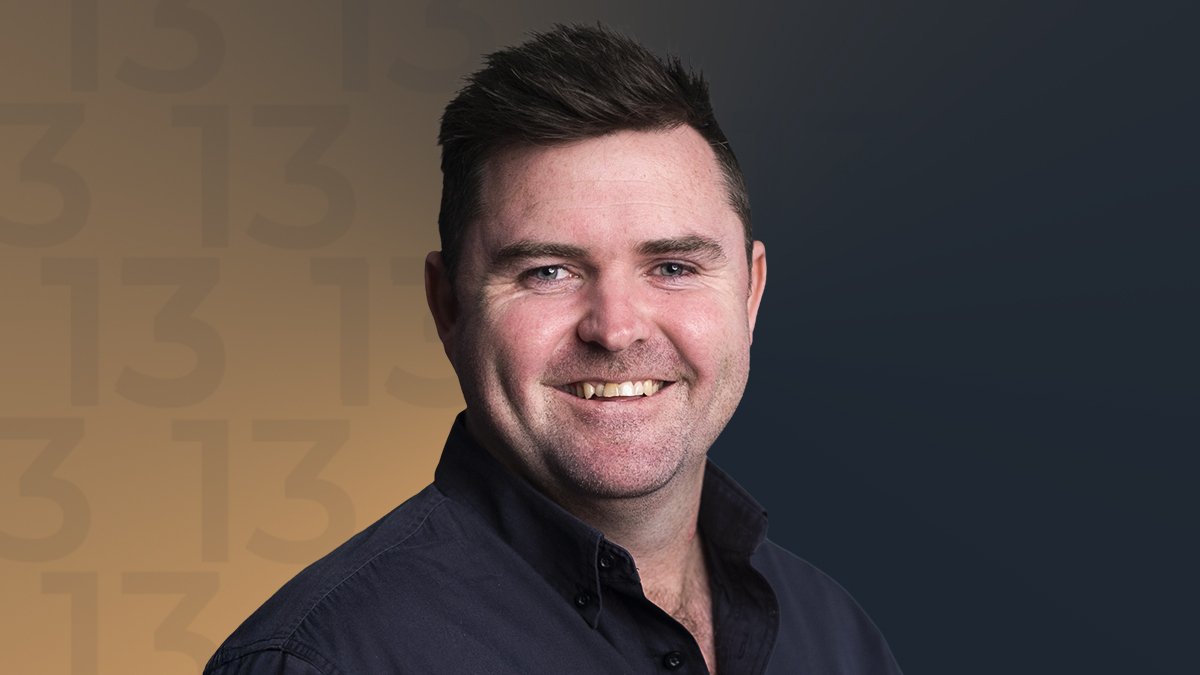
Solar Africa’s David McDonald outlines realities of South Africa’s energy market

As South Africa’s energy sector continues its post-loadshedding evolution, optimism abounds at high-level discussions, but on-the-ground realities tell a more measured story. In an exclusive commentary, David McDonald, CEO of SolarAfrica, a leading provider of capex-free solar and renewable energy solutions for commercial and industrial clients across Southern Africa, outlines five practical truths defining the market in 2026.
McDonald, who co-founded SolarAfrica in 2011 and has steered its growth into a key player in on-site solar, wheeling, and energy trading, emphasizes that these dynamics are not speculative forecasts but observable trends in project financing, municipal procurement, and corporate energy strategies.
First, the wholesale electricity market remains anchored to Eskom. Despite progress toward the South African Wholesale Electricity Market (SAWEM), full functionality requires broad stakeholder buy-in. Eskom’s support for an open market coexists with its development of a virtual wheeling platform, leading developers, off-takers, and banks to favor proven Eskom-aligned structures for bankability. McDonald notes that most private power activity in 2026 continues outside the wholesale debate, with projects advancing using existing frameworks.
Second, direct power procurement by municipalities emerges as the simplest path. While wheeling has proven viable at scale, municipalities like Swartland and George in the Western Cape, and eThekwini in KwaZulu-Natal, opt for direct IPP purchases to sidestep administrative complexities. This shift, aided by refined Eskom supply agreements, points to greater market fragmentation ahead.
Third, energy decisions are shifting from operations to the balance sheet. For large users—particularly in mining—electricity now features in risk management and finance discussions. Fixed long-term pricing offers control amid uncontrollable factors like commodity volatility, elevating the role of partners delivering blended solutions.
ALSO READ: MTN NIGERIA REPORTS ₦5.2TRN IN SERVICE REVENUE FOR FY 2025
Fourth, rising fixed and capacity charges are reshaping economics as self-generation grows. Municipalities and Eskom increasingly rely on these to safeguard revenue, with capacity charges likely rising faster than consumption tariffs. McDonald highlights how innovators like SolarAfrica are responding with batteries, hybrid models, diversified stacks, and extended-hour supply to mitigate peak demand and capacity costs for customers.
Finally, wheeling succeeds but financing lags. Projects like SolarAfrica’s SunCentral demonstrate wheeling’s viability, yet multi-tenant structures and new traders strain banks accustomed to simpler deals. Financial closes take longer, but McDonald predicts improved data from operational projects will ease risk pricing over time.
“These realities are already influencing how we finance, procure, and manage energy risk,” McDonald concludes. “In 2026, practical innovation—rather than waiting for perfect policy—will drive progress and deliver value to businesses and communities.”

Related Posts
Sahara Power joins global council to fast-track Africa’s energy access
Sahara Power Group has been named to the prestigious Mission 300 Private Sector Council, a high-level platform launched…
 By
ByAdeleye Falade assumes office as NLNG Managing Director and CEO
Adeleye Falade has officially assumed office as the new Managing Director and Chief Executive Officer of Nigeria LNG…
Standard Bank Namibia Urges businesses to shield liquidity amid Namibia’s fuel hike
As Namibia grapples with a sharp fuel price increase triggered by global geopolitical tensions, Erastus Tshatumbu, Head of…
Ardova Plc appoints Abiola Babatunde-Ojo as Managing Director
Ardova Plc (AP) has announced the appointment of Dr.Abiola Oluwaseyi Babatunde-Ojo as the new Managing Director of the…



Gallery