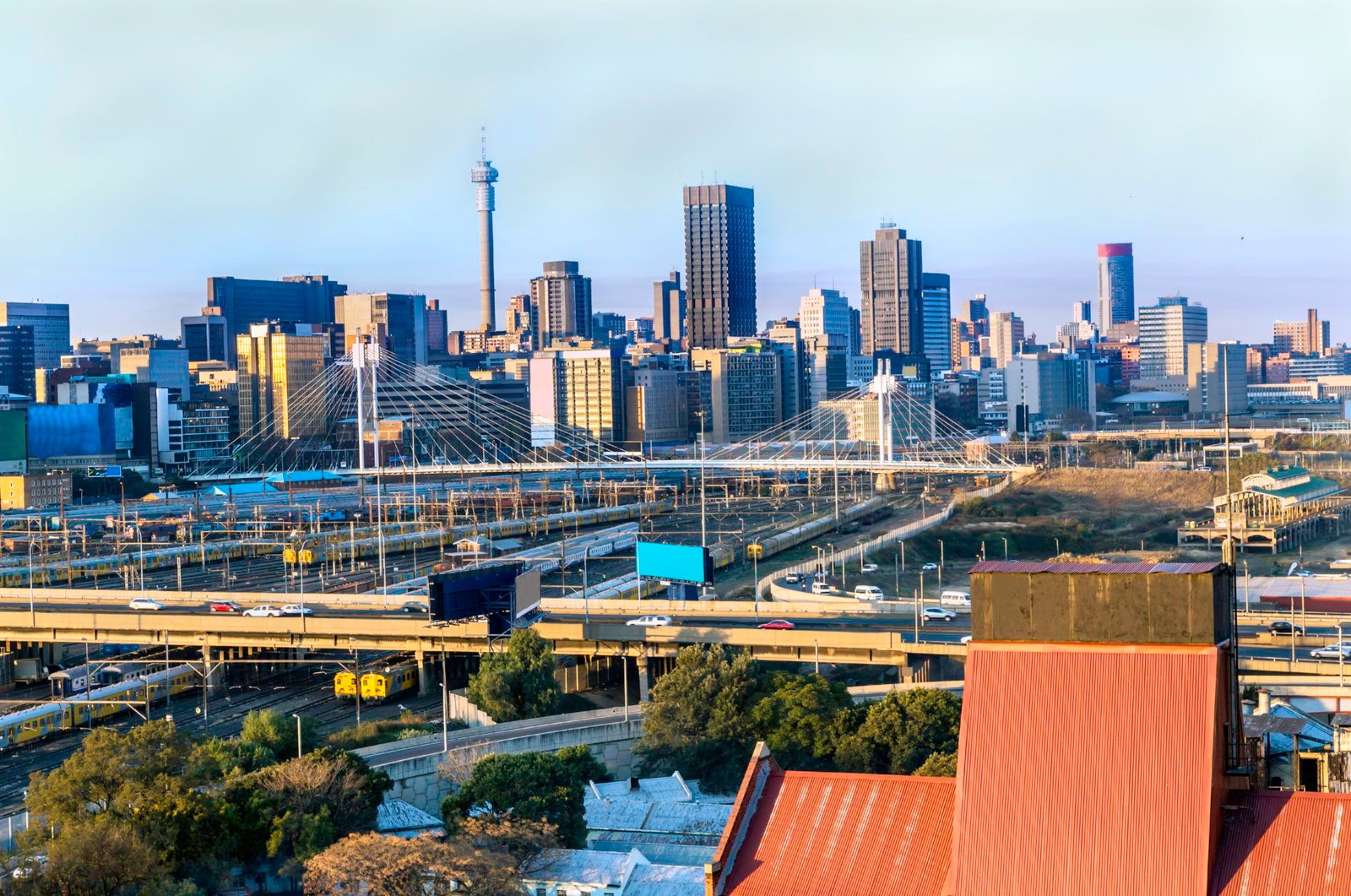
South Africa announces plans to make local content in procurement obligatory

South Africa’s central government has announced plans to stiffen regulation to ensure government procurement favours homegrown suppliers.
Director of fleet procurement at the Department of Trade, Industry and Competition Cathrine Matidza, told a webinar that current legislation – which makes local content requirements optional for state organs – was temporary and would soon be replaced.
She said the government was working on legislation to ensure mandatory procurement of locally-produced and manufactured products in some sectors of the economy.
A constitutional court decision last year overturned South Africa’s 2017 preferential procurement regulations and scrapped mandatory local content requirements for organs of state.
Matidza said current regulations – which specify that procuring organs of state should determine their own preferential procurement policies – would only be in place for a limited time.
“Local content is going to be mandatory again. The objective of localisation, the intention is to reduce import leakage in government spending. We want to leverage public expenditure to support local manufacturing or products,” she said.
“Government spends over R500 billion [a year] on procurement of goods, services and works so we want to leverage that expenditure to assist us in mitigating some of the socio-economic challenges we are faced with.”
Matidza said the government was finalising the Public Procurement Bill, which would make local content requirements once again obligatory – though she did not specify when it would come into force.
Under the law products would have a specific designation specifying the amount of local content required. Some would be designated at 100% where no imports are allowed at all.
Others will be designated at below 100%, meaning manufacturers will be able to source some of the components elsewhere but production must occur locally.
Tags:

Related Posts
VFD Group appoints Ijeoma Emezie-Ezigbo as new Deputy Managing Director
VFD Group has appointed Ijeoma Emezie-Ezigbo as Deputy Managing Director, bringing a seasoned deal-advisory leader into its executive…
 By
By
Etihad, Ibom Air sign new Interline agreement linking Nigeria to global network
Etihad Airways, the national carrier of the United Arab Emirates, and Nigerian airline Ibom Air have signed an…
Lazola Sikupela takes new role of HR Director, Africa at Diageo
Diageo has promoted Lazola Sikupela as Human Resources Director for Africa, elevating a leader who has risen through…
I&M Bank announces Abdi Mohamed as new Chief Executive Officer
I&M Bank Ltd has appointed Abdi Mohamed as its new Chief Executive Officer, following regulatory approval by the…





Gallery