Zenith Bank Eyes More Retail Lending

Zenith Bank Plc is increasing its focus on consumer lending as lower oil prices weigh on the economy, hurting its business customers.
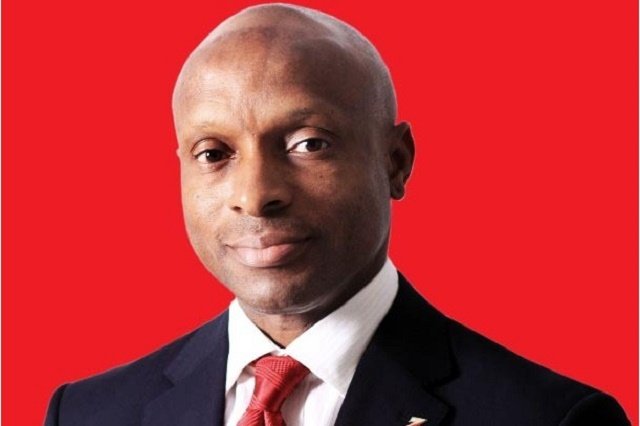
The Lagos-based bank is expecting to expand retail loans as a percentage of total credit to about four per cent this year from less than one per cent in 2018, its Chief Executive Officer, Peter Amangbo said in interview with Bloomberg at the bank’s headquarters. It will achieve this by making a bigger push into personal loans, car financing and mortgages, he said.
“There is a lot we’re doing on revenue,” Amangbo said.
“We expect our retail franchise to grow. Our electronic business, our digital banking is growing.”
Zenith is making the shift as a 30 per cent drop in oil prices since October hinders the nation’s main export and foreign-currency earner, damping demand for funding.
Nigerian banks are increasingly tapping into digital technology to reach the 50 million unbanked people in a nation of 200 million, while protecting their turf from mobile-phone companies -which have three times as many customers and are bidding to offer money transfers.
The company will probably achieve loan growth of two per cent to five per cent in 2019 after missing its target last year, Amangbo said.
Customer loans declined by eight per cent in the nine months through September to N2 trillion.
“We don’t see a very strong growth in the loan book in 2019,” he said. “Demand is still very weak.”
The lender plans to pay off a $500 million Eurobond maturing in April and won’t issue a new one due to the limited scope for dollar lending, Amangbo said.
“If the opportunity comes, we will go to the market, but now we will pay off that.”
Zenith Bank is still trying recover past loans to the oil and gas sector, the CEO said.
The industry accounted for 46 percent of non-performing loans in the third quarter of last year, and nearly a third of its total loan book.
“I don’t think there is so much appetite to lend to the oil and gas space,” he said.
Concerns over a devaluation of the naira are also weighing on lenders’ desire to finance the industry, whose survival is tied to the availability of foreign exchange for raw material imports.
Deposits are also not increasing, making funding for lenders expensive in the face of cash reserve ratios of 22.5 percent.
“It takes some time for the economy to reset,” he said. “As a bank, you’ll want to be cautious.”
Tags:

Related Posts
Sahara Power joins global council to fast-track Africa’s energy access
Sahara Power Group has been named to the prestigious Mission 300 Private Sector Council, a high-level platform launched…
 By
ByPwC Survey: Tanzanian CEOs confident on local growth despite global risks
Tanzanian business leaders remain notably optimistic about their domestic economic prospects, even as they adopt a more cautious…
Standard Bank Namibia Urges businesses to shield liquidity amid Namibia’s fuel hike
As Namibia grapples with a sharp fuel price increase triggered by global geopolitical tensions, Erastus Tshatumbu, Head of…
Ardova Plc appoints Abiola Babatunde-Ojo as Managing Director
Ardova Plc (AP) has announced the appointment of Dr.Abiola Oluwaseyi Babatunde-Ojo as the new Managing Director of the…





Gallery