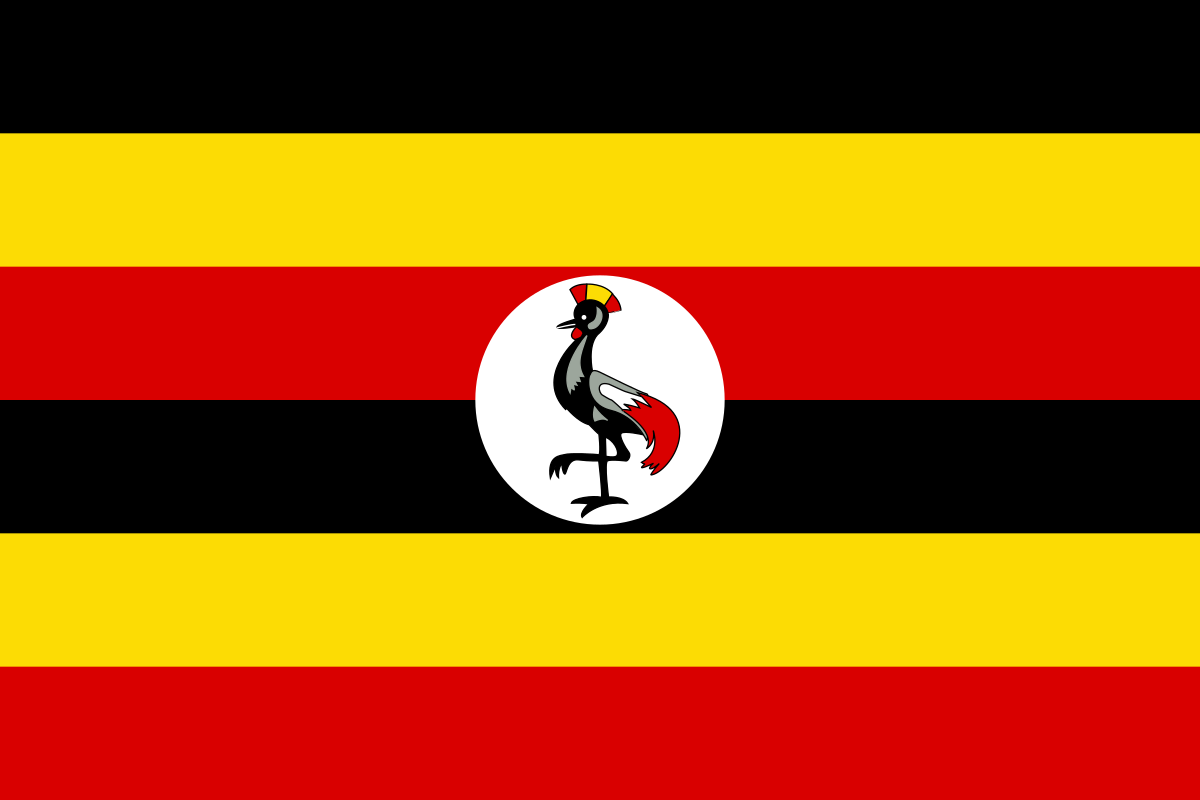
Uganda Struggles to Meet Fiscal Deficit Target Ahead of Monetary Union

Uganda plans to reduce investment in infrastructure in an effort to reduce its fiscal deficit in the run-up to joining the East African Monetary Union in 2024.
The decision was taken as it emerged that the government would have to choose between joining the Union and completing its major infrastructure projects.
Some government officials have said the alternative would be for Kampala would be to use oil money to finance infrastructure but experts warn of the risk of the Dutch Disease.
Dr Albert Musisi, the commissioner in charge of macroeconomic policy in the Ministry of Finance, said the government plans to reduce investment in infrastructure in a bid to meet the fiscal deficit target of 3 per cent.
Uganda also passed the Public Finance Management Act, which among other things, intended to control the temptation to sharply increase public expenditure using money from oil sales.
To avoid the Dutch Disease which afflicts irresponsible governments, Uganda has promised to exercise prudence in expenditure of oil money, to try and live by the image once painted by the World Bank and the IMF as the poster boy for financial discipline in Africa.
Oil Money
But, faced with choosing between giving up construction of major infrastructure and being part of the monetary union, Uganda seems ready to splurge on the oil money.
One of the requirements for joining the EAC monetary union is that a partner state maintains a fiscal deficit of not more than 3 per cent.
Since a low fiscal deficit has to be maintained for at least three years prior to joining the monetary union, Uganda, has started preparing for 2024.
Information from the Ministry of Finance shows that the fiscal deficit [at 6.2 per cent] has been high because Uganda was spending heavily on infrastructural development.
But Dr Musisi said the government will stop constructing roads and in the medium-term, maintain the existing ones.
“The pending ones like the Jinja-Kampala Expressway will be constructed through public private partnerships,” he said.
This change in policy was confirmed by President Yoweri Museveni, when he announced during the February EAC summit that the meter gauge railway that was constructed more than a century ago will be repaired before the construction of the standard gauge railway.
Major Dams
The promised scaledown in road construction also comes at a time when Uganda is completing two major dams and ready to reduce investment in the generation of electricity.
According to the Ministry of Finance, the two dams, Karuma and Isimba, will help government reduce its fiscal deficit.
The government’s plan is for the fiscal deficit to peak during the 2017/18 financial year, at 6.2 per cent. In the financial year that starts this July, the deficit will then reduce to 5.4 per cent, to allow Uganda embark on a gradual reduction in preparation for 2021.
Dr Musisi said it will gradually reduce to 3 per cent in the 2020/21 financial year in accordance with the convergence criteria set under the East African Monetary Union.

Related Posts
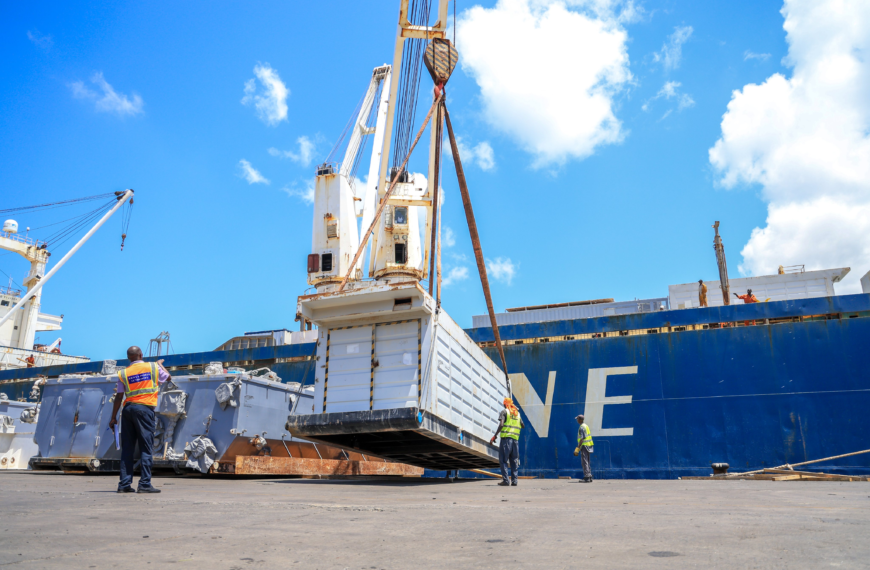
Gulf Energy delivers onshore rig to Mombasa Port for Turkana Crude Oil Drilling
Kenya has taken another major step towards achieving its first crude oil production after Gulf Energy E&P BV…
 By
ByNEW: Ardova Plc secures 100% stake in Powergas and PEL
Ardova Plc is set to expand its presence in Nigeria’s natural gas market after an Ardova-led consortium, including…
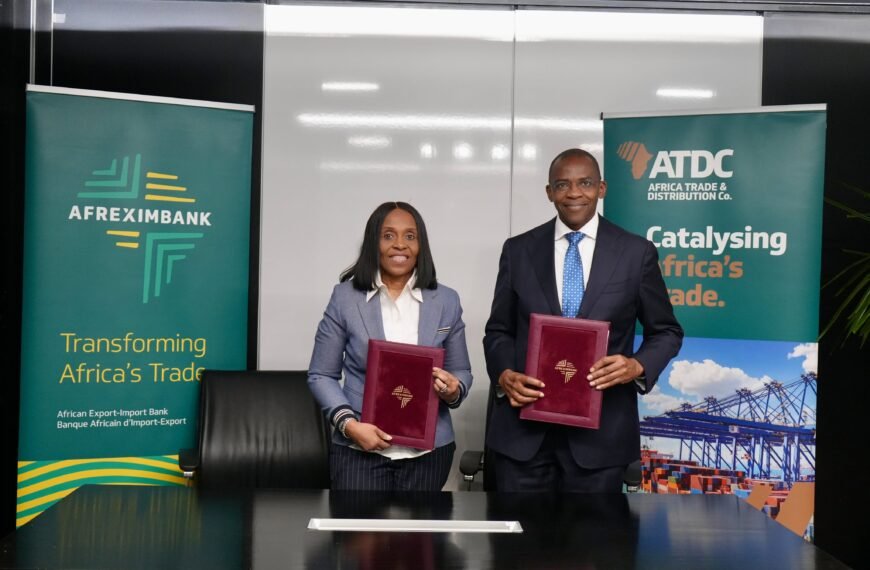
Afreximbank secures $529m guarantee and facility
To boost African trade infrastructure Afreximbank has taken significant steps to strengthen the infrastructure and financial architecture supporting…
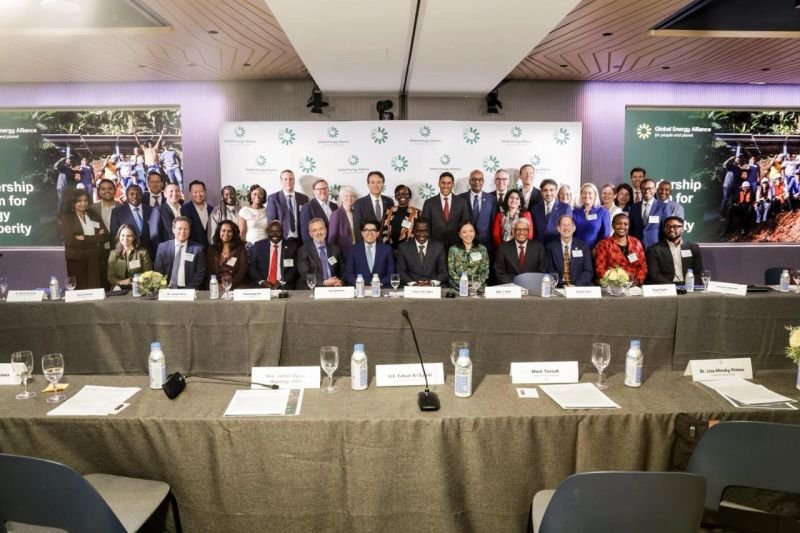
Kenya Power showcases decade of transformation at Global Energy Forum
Kenya Power Managing Director and Chief Executive Officer Dr. (Eng.) Joseph Siror has highlighted the utility’s significant progress…




Gallery