RBZ Injects U.S.$20 Million into Circulation

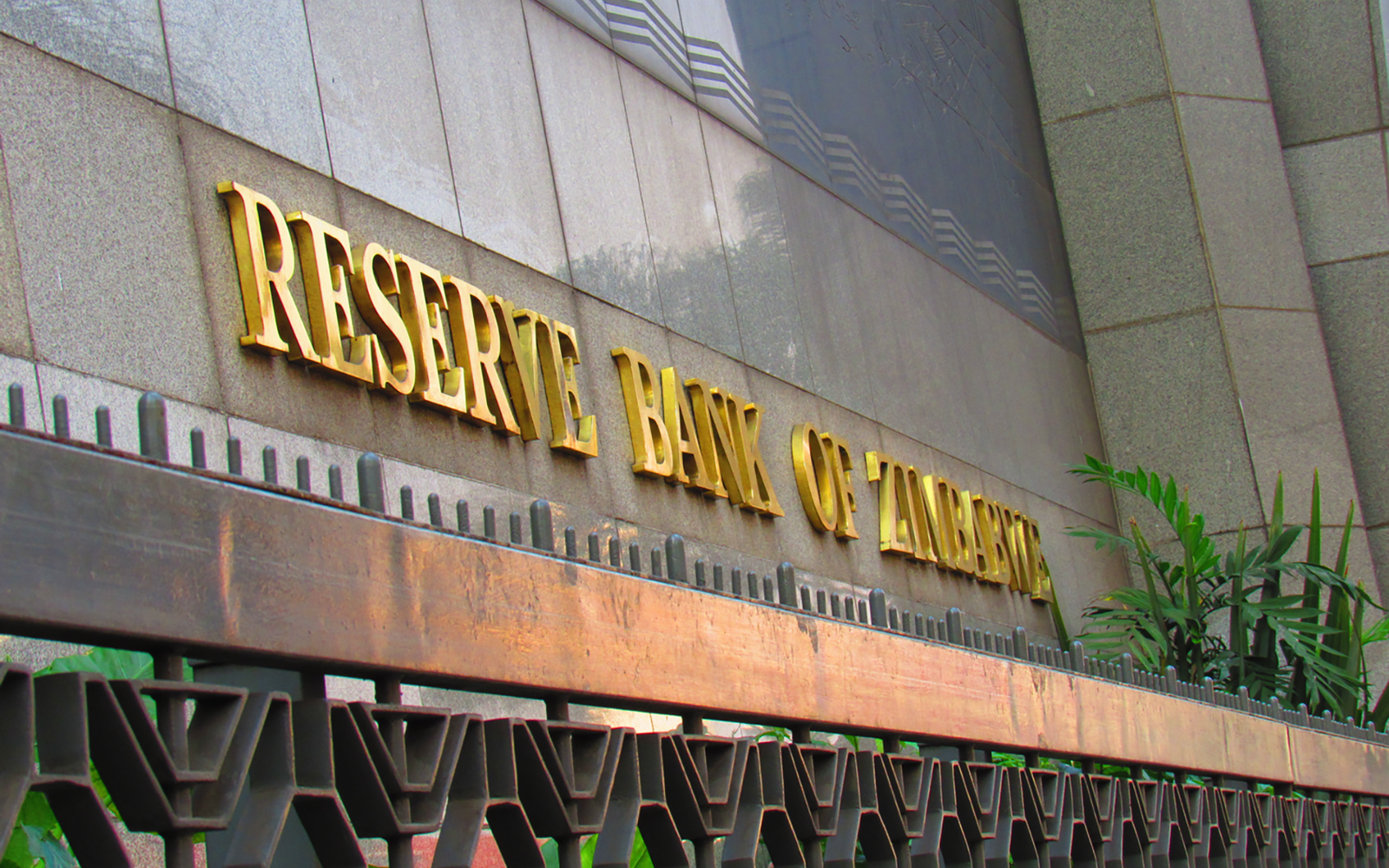
The Reserve Bank of Zimbabwe has injected an additional $20 million of banknotes into circulation, with much of it channeled to the People’s Own Savings Bank (POSB).
However, the latest cash injection seems not to have done much in easing the demand for hard cash as witnessed by the long winding queues at the banks. Some depositors were forced to sleep outside banking halls waiting to withdraw their money.
According to the Finance Minister Mthuli Ncube, there was confirmation of the injection of the $20 million.
“In the last week alone, we have put in about $20 million,” he said.
“We targeted POSB specifically, but not exclusively, because we know that a lot of our ordinary citizens are banking with them and it’s important that they have all the cash that they need.”
Depositors mentioned that, they still faced challenges obtaining cash from banks, adding that they observe the situation was getting worse.
Meanwhile, the economists said, while the RBZ was right to increase cash in circulation given the high demand, it would take time before cash queues start to subside.
The recommended cash levels in circulation are 10 percent to 15 percent of money supply, which is presently estimated at $19 billion.

Related Posts

VFD Microfinance Bank names Nonso Kenneth Okoye as new MD
VFD Microfinance Bank has appointed Nonso Kenneth Okoye as its new Managing Director, marking a significant leadership transition…
 By
By
CardinalStone Capital Advisers hits $76m first close for Fund II
CardinalStone Capital Advisers (CCA), a leading West Africa-focused private equity fund manager, has announced a first close of…

NEW: Genser Energy secures €456m to fund West African expansion
Genser Energy Investments LLC, a leading integrated energy company in West Africa, has completed a €456 million term…






Gallery