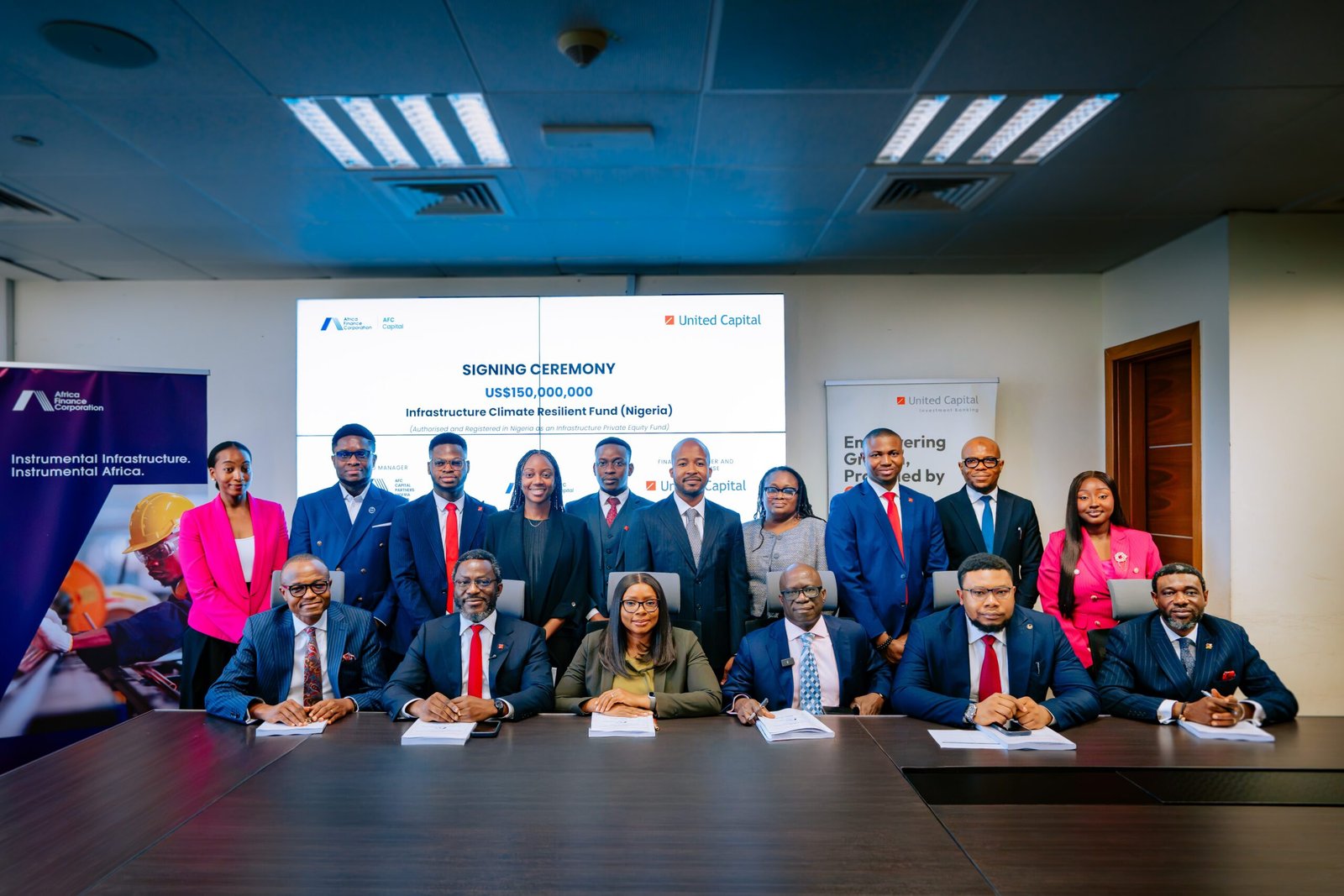
ICRF launches new SEC-registered fund for climate infrastructure

A new closed-end fund registered with Nigeria’s Securities and Exchange Commission (SEC) is set to channel capital from pension fund administrators, insurers, asset managers and other institutional investors into commercially viable, high-impact infrastructure projects with a strong climate-resilience focus.
Known as ICRF Nigeria, the vehicle forms part of the Africa Climate Partners (ACP) US$750 million Infrastructure Climate-Resilient Fund (ICRF). The broader fund is designed to strengthen the resilience of Africa’s infrastructure by embedding climate considerations throughout the asset lifecycle — from planning and design through to construction and operation.
The initiative addresses a pressing continental challenge: ensuring that the infrastructure supporting Africa’s growth can withstand increasingly severe and unpredictable climate impacts.
ICRF has already drawn support from major global and African institutions. These include a US$253 million first-loss commitment from the Green Climate Fund (GCF) — its largest equity investment in Africa to date — as well as the European Investment Bank (EIB), the Development Bank of Southern Africa (DBSA), Italy’s Cassa Depositi e Prestiti (CDP), the Nigeria Sovereign Investment Authority (NSIA) and several African pension funds.
ACP aims to mobilise up to US$3.7 billion in total financing through ICRF and assemble a diversified portfolio of 10 to 12 infrastructure projects across the continent.
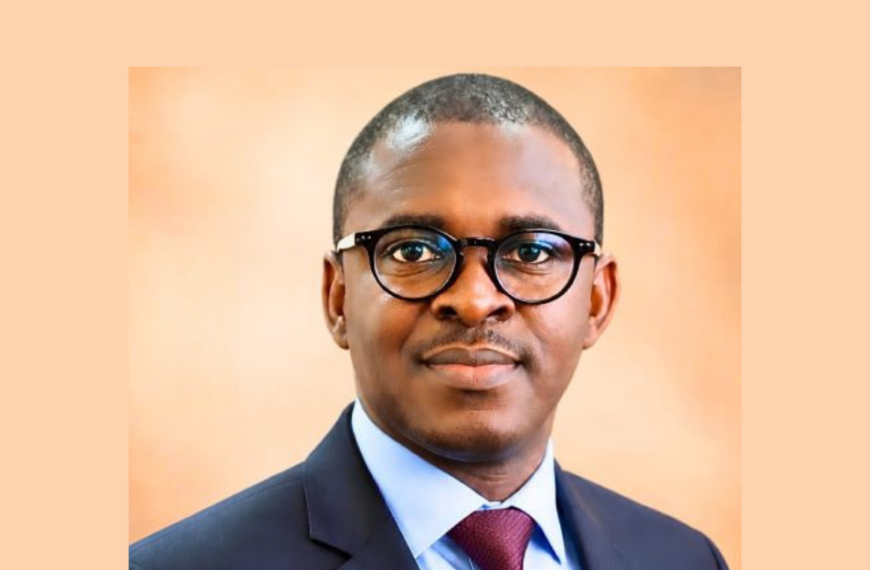
Samaila Zubairu, President and CEO of the Africa Finance Corporation (AFC), said the fund responds to a structural opportunity. “Africa is not short of capital. The continent holds more than US$4 trillion in domestic resources, including significant pools of long-term capital in pensions, insurance and sovereign wealth funds. Yet too much of this wealth remains invested in low-risk, short-term instruments rather than being channelled into productive sectors such as infrastructure, industry and innovation.
“The opportunity before us is to create investment vehicles that connect Africa’s long-term savings with its long-term development needs. ICRF Nigeria is an important step in that direction, enabling Nigerian institutional capital to participate in the infrastructure that will drive more resilient and sustainable growth across Nigeria and the continent.”
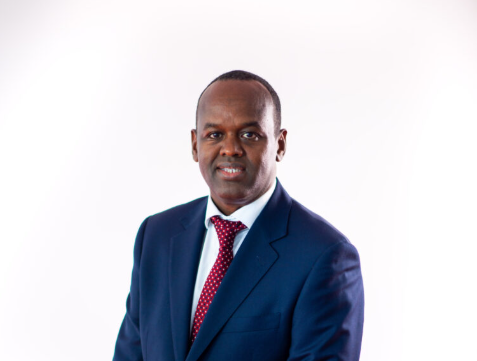
Ayaan Adam, CEO of ACP, highlighted the practical benefits for local investors. “ICRF Nigeria gives Nigerian institutional investors a dedicated route into high-quality, climate-resilient infrastructure investments across Nigeria and Africa. By combining institutional capital with AFC’s infrastructure expertise and the catalytic power of blended finance, we can address both the financing needs of critical infrastructure and the growing risks posed by climate change.
ALSO READ: GENSER ENERGY SECURES €456M TO FUND WEST AFRICAN EXPANSION
“Importantly, this creates an avenue for Nigeria’s long-term savings to contribute to infrastructure development while giving investors access to a diversified portfolio of opportunities across the continent.”
ICRF uses a blend of concessional and commercial capital to overcome long-standing barriers to investment in climate adaptation. Through blended finance and targeted de-risking tools, the fund integrates climate resilience into projects from the outset, helping unlock private capital for developments that might otherwise struggle to attract funding.
Target sectors include renewable energy, transport and logistics, digital infrastructure and industrial development — all seen as critical to Africa’s economic transformation. Investments are screened for both physical and transition climate risks, including exposure to extreme weather, emissions pathways and climate governance. Resilience measures are embedded across the full infrastructure lifecycle.
The Green Climate Fund’s first-loss capital and technical assistance for climate risk assessment and monitoring play a catalytic role, reducing risk for other investors and helping crowd in additional institutional capital.
Tags:

Related Posts

VFD Group appoints Ijeoma Emezie-Ezigbo as new Deputy Managing Director
VFD Group has appointed Ijeoma Emezie-Ezigbo as Deputy Managing Director, bringing a seasoned deal-advisory leader into its executive…
 By
ByAnne Juuko leads East African Development Bank as new CEO
The East African Development Bank has appointed Anne Juuko as its new chief executive, placing a seasoned banking…

Etihad, Ibom Air sign new Interline agreement linking Nigeria to global network
Etihad Airways, the national carrier of the United Arab Emirates, and Nigerian airline Ibom Air have signed an…

Infobip appoints Mirta Pađen Lee as new VP of People to drive AI-first transformation
Global AI-first cloud communications platform Infobip has appointed Mirta Pađen Lee as Vice President of People, effective 1…





Gallery