FirstRand Limited writes-off more than 50% of its holdings of Ghanaian bonds

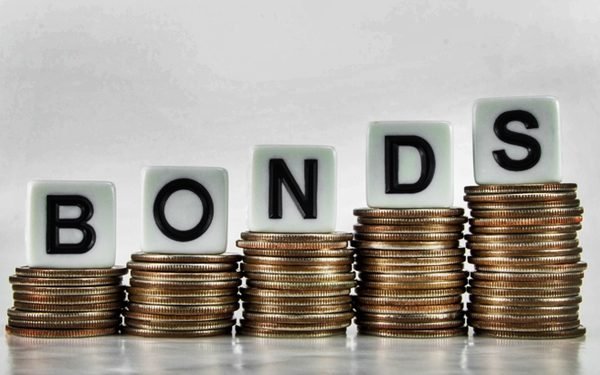
Africa’s biggest bank by market capitalization, FirstRand Limited has written off more than half the value of its holdings of Ghanaian bonds as the country grapples with a restructuring of its sovereign debt.
The South African lender disclosed this in a statement recently.
The bank said it had impaired $27.3 million to cover potential losses from Ghana’s debt revamp and reduced income from associates.
The write-down includes domestic and foreign-currency bonds held as of December.
“We’ve marked down both the local-currency and Eurobonds, and we’ve taken a haircut at 57% of face value,” Chief Executive Officer Alan Pullinger said.
“That is probably at the conservative end because the market may be talking of 40%”, he added.
Earlier ratings agency, Fitch, had said Ghanaian banks’ capital will still weaken significantly as a result of Ghana’s sovereign domestic debt restructuring, despite the improved terms for creditors after several delays and modifications.
It said under the final terms of the domestic debt exchange programme, banks exchanging existing local-currency (LC) government bonds for new bonds with lower coupons and longer tenors will suffer only modestly lower net present value (NPV) losses than under the original terms.
The Ministry of Finance announced that the programme had closed, with creditors representing about 85% of eligible bonds taking part.
Fitch views this as a distressed debt exchange and downgraded Ghana’s Long-Term LC Issuer Default Rating (IDR) to Restricted Default from ‘C’. Ghana’s Long-Term Foreign Currency (FC) IDR remains at ‘C’ given the government’s suspension of payments on selected external debt pending a restructuring of such obligations.
So far, Ghana has only partially completed the domestic-debt part of the exchange plan, and has already missed a self-imposed deadline to restructure its bilateral liabilities by the end of February.
S&P estimates that private creditors may have to write off as much as 50% of their holdings — far higher than the 30% the government initially suggested.
Tags:

Related Posts
NEW: UBA Zambia opens 10th branch in Kasumbalesa
United Bank for Africa (UBA) Zambia has officially opened its 10th branch in Kasumbalesa, a strategic border town…
 By
By
Olaniyi Soyinka joins Airtel as new Reg. HR Business Partner
Olaniyi Soyinka has been appointed Regional Human Resources Business Partner at Airtel Nigeria, marking a significant step in…

Fincra Ghana appoints Yaw Adum-Attah as new Country Manager
Fincra Ghana has appointed Yaw Amoah Adum-Attah as its new Country Manager, entrusting him with strategic leadership of…
Kenya Power’s Kalungu-Uvyu reflects on lessons from leading 11,000 employees
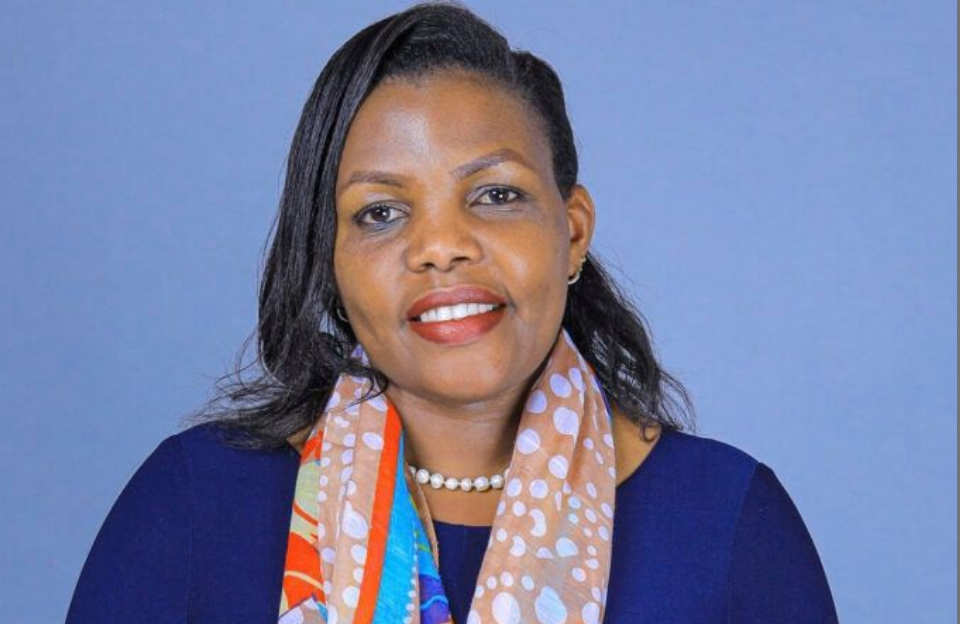
For Cecilia Kalungu-Uvyu, General Manager of Human Resources and Administration at Kenya Power, leading an organization of 11,000…




Gallery