Kenya: WEP Forum advocates for greater economic inclusion for women

At the Women’s Empowerment Principles (WEP) Forum, stakeholders highlighted the importance of acknowledging and valuing the care economy in Kenya. They also advocated for reducing the burden of unpaid care work to enhance economic inclusion for women in the country.
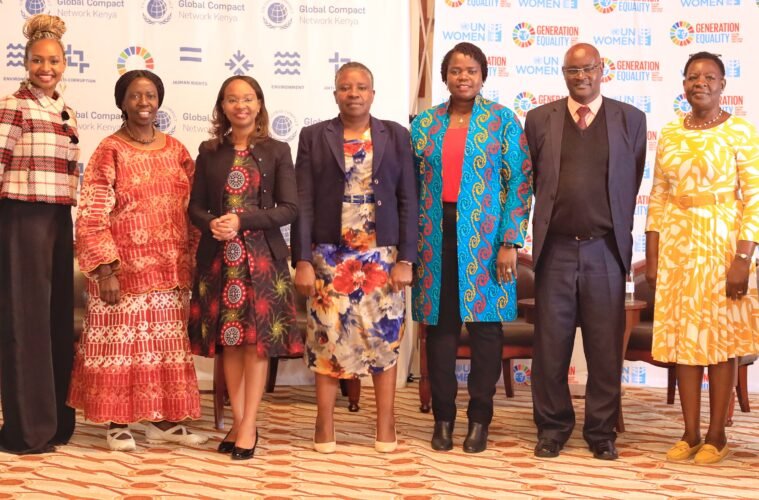
The Forum, titled “Care Agenda in the Private Sector for Gender Equality and Women Empowerment,” brought together private sector leaders to address the care work largely performed by women. The discussions centered on practical solutions and strategies to ease the burden of unpaid care work and boost women’s economic participation.
Participants emphasized the need for comprehensive measures to support women’s economic empowerment and ensure that their contributions to the care economy are recognized and appreciated, aiming to foster a more inclusive and equitable society.
Ms. Grace Wasike, Director of Social Economic Empowerment at the State Department for Gender and Affirmative Action, attended the Forum and underscored the government’s dedication to supporting women’s economic inclusion. She emphasized the critical role of the care economy in achieving this objective.
“It is crucial to recognize how addressing unpaid care and domestic work can bring substantial benefits to businesses. Companies that implement such policies are better positioned to attract and retain top talent,” she said.
According to data from the Kenya Time Use Survey report 2021, (KNBS 2021), women spend approximately five times more time on unpaid care and domestic work at 18.7%, compared to men at 3.6%. This translates to 4 hours and 30 minutes per day for women versus 54 minutes for men.
In her address, UN Women Kenya Country Representative Anna Mutavati emphasized the need to recognize the contribution of unpaid care to the national GDP. This is in addition to reducing the burden of care on women and girls, redistributing care tasks, and rethinking traditional norms that hinder women from contributing economically.
She also stressed the importance of rewarding paid care, including for domestic workers, and ensuring representation in leadership and policy-making for sustainable development and community welfare.

Related Posts
Afreximbank deepens support for Uganda’s new growth ambitions
The African Export-Import Bank (Afreximbank) is strengthening its partnership with Uganda as the country advances its Tenfold Growth…
 By
By
Absa promotes Nivash Sewgobind to Head of Performance Analytics
Nivash Sewgobind has been promoted to Head of Performance Analytics & Business Partnering at Absa Group, marking a…

The Hidden Cost of Doing Business in Nigeria
Modupe Coker The biggest obstacle facing many entrepreneurs in Nigeria is not a shortage of ideas or effort.…
N Seven increases equity stake in Guinness Nigeria via NGX
Major shareholder N Seven Nigeria Limited has increased its equity holding in Guinness Nigeria Plc after purchasing 550,092…





Gallery