MSC expands Nigeria footprint with 45-year terminal deal in Lagos

Mediterranean Shipping Company (MSC), the world’s largest container shipping line, has signed a 45-year concession agreement to develop a major new container terminal at Snake Island Port in Lagos, pushing its total investment in Nigeria past $1 billion.
The Geneva-based shipping giant announced Tuesday it had signed the concession with Nigerdock, the port’s operator, while simultaneously finalising a construction contract with ITB Nigeria Ltd — owned by the Chagoury Group — and Belgian marine contractor DEME Group to build the facility.
The terminal will feature a 910-metre quay equipped with ship-to-shore and mobile harbour cranes, capable of handling both deep-sea vessels and barges. The yard will initially span approximately 30 hectares within the Snake Island Integrated Free Zone, with provisions for expansion as cargo volumes grow.
The project has been in the works since June 2023, when Nigerdock received federal government approval to develop the site under a Public-Private Partnership framework. Nigerdock and the Nigerian Ports Authority subsequently finalised plans in 2024 for an 85-hectare multipurpose port featuring three terminals. MSC is the first investor to formally commit.
ALSO READ: KCB GROUP POSTS KSH. 68.4BN NET PROFIT IN 2025, UP 11% YEAR-ON-YEAR
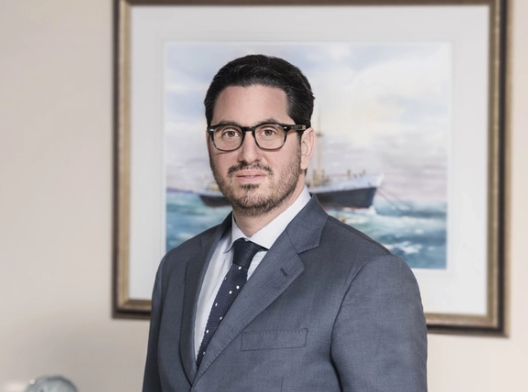
MSC Group president Diego Aponte said the development would deliver benefits well beyond the terminal gates, promising improved service for customers across Nigeria and the continent, significant local job creation, and a boost to economic resilience.
The financial stakes are considerable. Nigerdock projects the terminal will generate more than $5.2 billion in federal government revenue across the 45-year concession period.
For MSC, the investment addresses a pressing operational need. The company currently handles over 200,000 Twenty-foot Equivalent Units (TEUs) annually in Nigeria through the heavily congested Apapa and Tin Can Island ports in Lagos, as well as Onne Port in Rivers State — facilities long criticised for capacity constraints that slow cargo movement and inflate costs for importers and exporters alike.

Related Posts
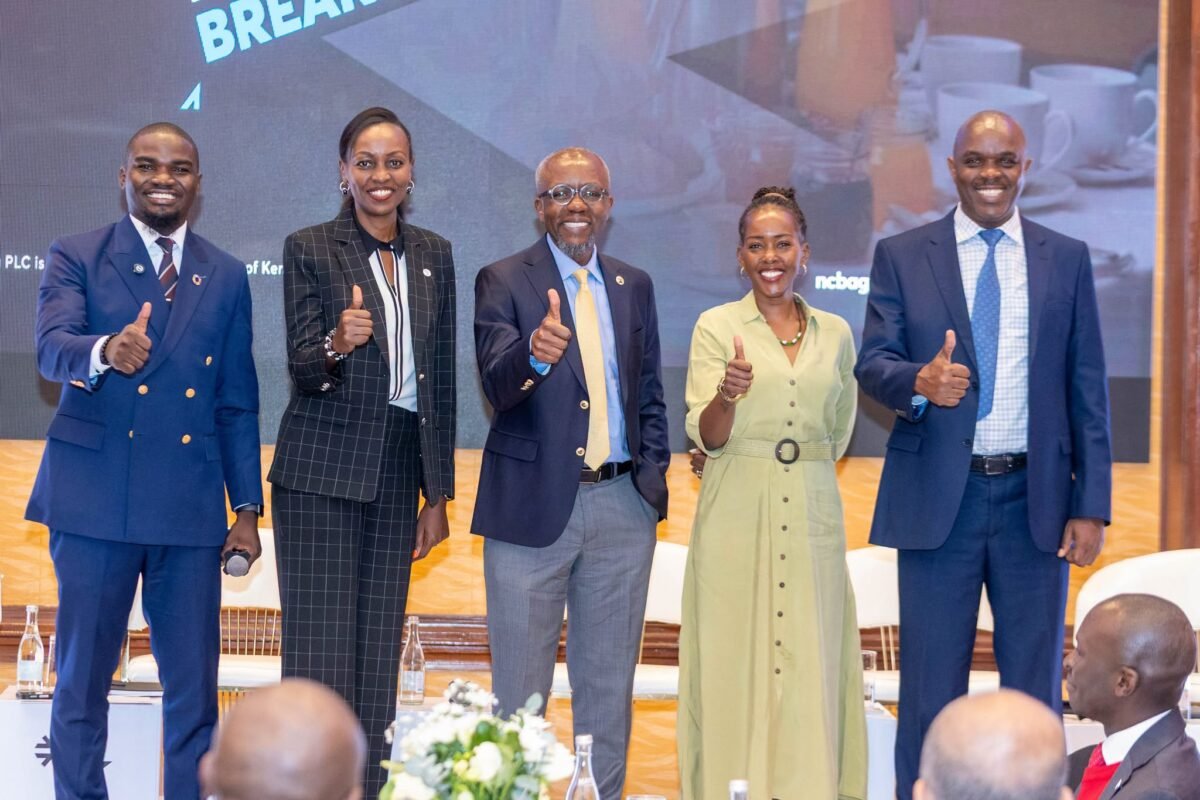
Leaders target financial resilience at NCBA breakfast 2026
Financial inclusion in Kenya has made significant strides, yet industry leaders gathered at the NCBA Financial Inclusion Breakfast…
 By
By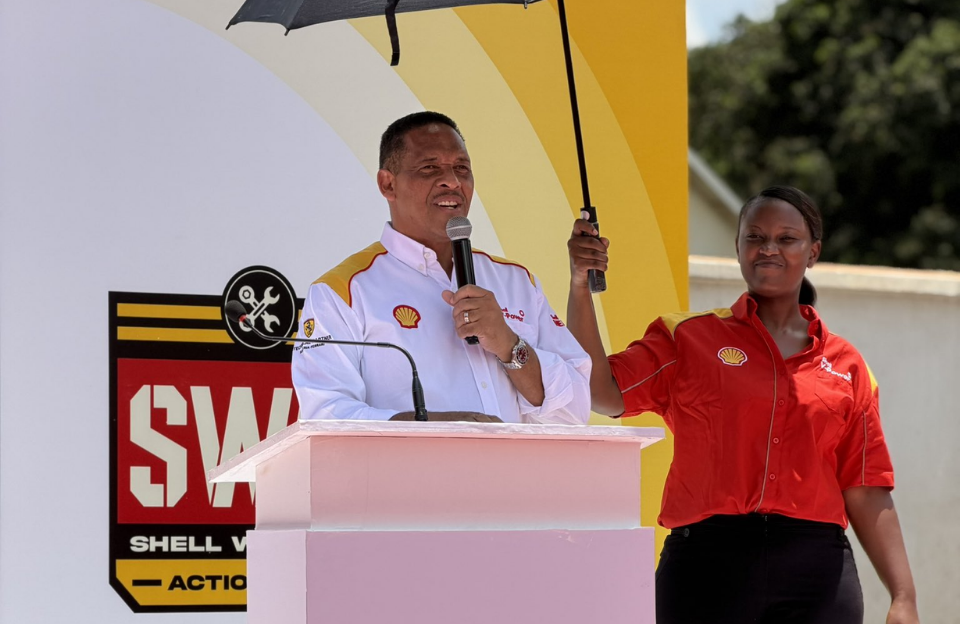
Vivo Energy Uganda launches ‘Learning on Wheels’ mobile training fleet
Vivo Energy Uganda, the company that distributes and markets Shell-branded fuels and lubricants, has officially launched its ‘Learning…
Ecobank Uganda launches eMCA to drive digital merchant financing
Ecobank Uganda has officially launched the Electronic Merchant Cash Advance (eMCA), a digital financing solution designed to give…
Ecobank launches new Zimbabwe head office in Harare
Ecobank Transnational Incorporated has officially opened a new Head Office for Ecobank Zimbabwe Limited in Harare, in a…



Gallery