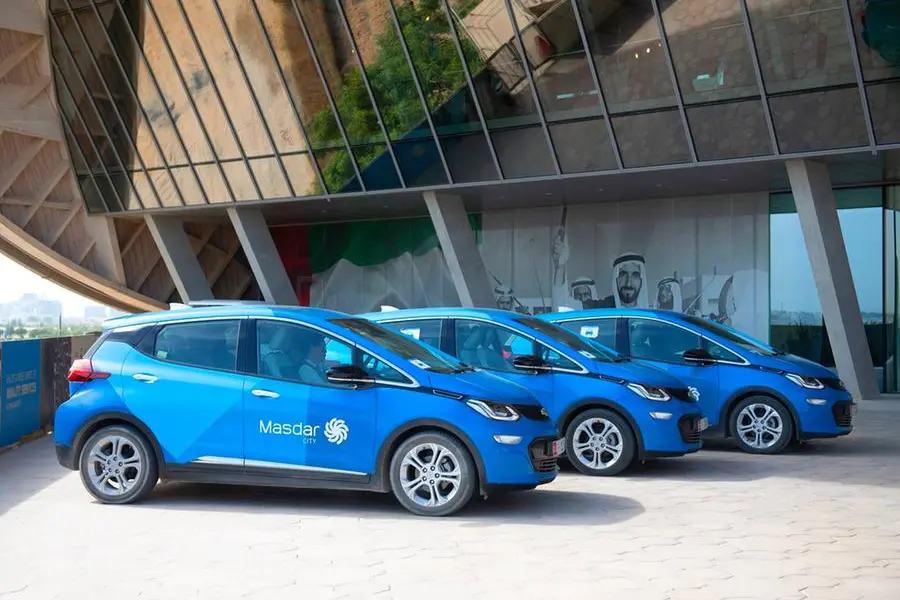
Abu Dhabi: Electric vehicles are necessary for smart cities to grow – Lukas Sokol explains

Masdar City’s head of master plannin, Lukas Sokol has explained to audiences at the Electric Vehicle Innovation Summit (EVIS) that electric vehicles are necessary for smart and sustainable cities to grow.
The three-day event, which kicked off on Monday at the Abu Dhabi National Exhibition Centre, shed light on the latest EV innovations, creative solutions, and challenges that stand in the way of a mass transition to electric vehicles.
During a presentation titled “Electric Vehicle Infrastructure Development in the Middle East,” Sokol explained that the rapid expansion and unique model of Masdar City was made possible through a holistic urban design approach that created balance between sustainability, clean-tech, supporting tech startups, and quality of life.
Masdar City, which has been pioneering sustainable development since it broke ground 15 years ago, understood early on the importance of incorporating electric vehicles in its mobility infrastructure to support its vision of a healthy, modern, and eco-friendly city.
In 2008, the city introduced its PRT (Personal Rapid Transport) electric vehicles, which transport passengers in four-person pods on an underground track from the city’s North Car Park to the downtown core, called the podium. They were considered the first publicly accessible autonomous EVs.
“We refer to the first-generation PRT as the history of the future; it has been in operation for 15 years and has carried over two million people,” said Sokol.
The use of EVs at Masdar City continued to evolve. The second generation of PRT, called NAVYA, transports people on top of the podium, which is car-free, and interacts with the public realm.
“We are still exploring PRT 3.0, which we would like to see drive on main streets and not be limited to Masdar City,” said Mr. Sokol.
He noted that EVs are ideal for smart, multi-functional, neighborhood-based cities.
“While EVs may not be ideal for long road trips given the challenges of charging en route, EVs are perfect for commuting to and from work, and for taking care of day-to-day needs given they can be charged at home,” said Sokol.
In addition to introducing PRT and being the first location in the world to offer Teslas for car-sharing through ekar, Masdar City has kept its various business, academic and residential assets within close proximity to encourage walking, cycling, and scootering as primary mobility options.
“When a city facilitates walking as a primary option, it automatically becomes more sustainable,” said Sokol. “But given that it may not be realistic for entire cities to be walkable today, cities that want to be smart and sustainable need to factor EVs into the equation.”

Related Posts
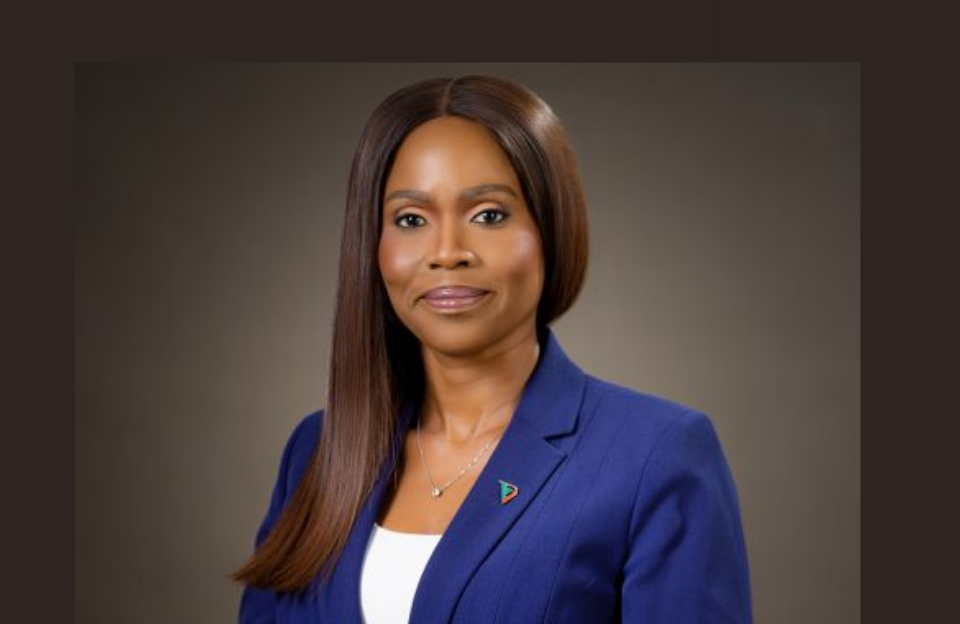
VFD Group appoints Ijeoma Emezie-Ezigbo as new Deputy Managing Director
VFD Group has appointed Ijeoma Emezie-Ezigbo as Deputy Managing Director, bringing a seasoned deal-advisory leader into its executive…
 By
ByAnne Juuko leads East African Development Bank as new CEO
The East African Development Bank has appointed Anne Juuko as its new chief executive, placing a seasoned banking…

Etihad, Ibom Air sign new Interline agreement linking Nigeria to global network
Etihad Airways, the national carrier of the United Arab Emirates, and Nigerian airline Ibom Air have signed an…
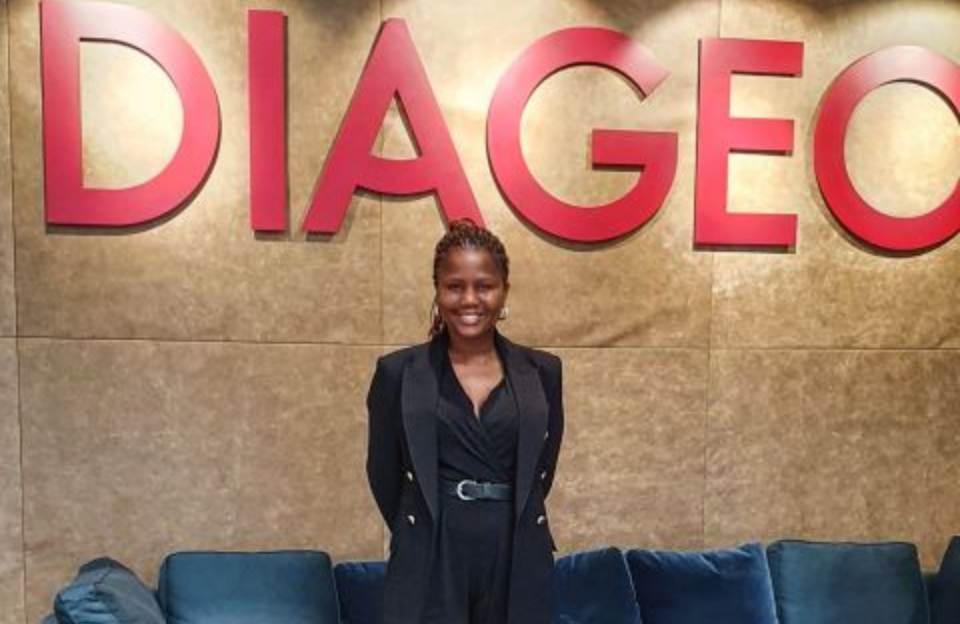
Lazola Sikupela takes new role of HR Director, Africa at Diageo
Diageo has promoted Lazola Sikupela as Human Resources Director for Africa, elevating a leader who has risen through…



Gallery