Average lending rate remains within 20% bracket, but falls marginally – Bank of Ghana reveals

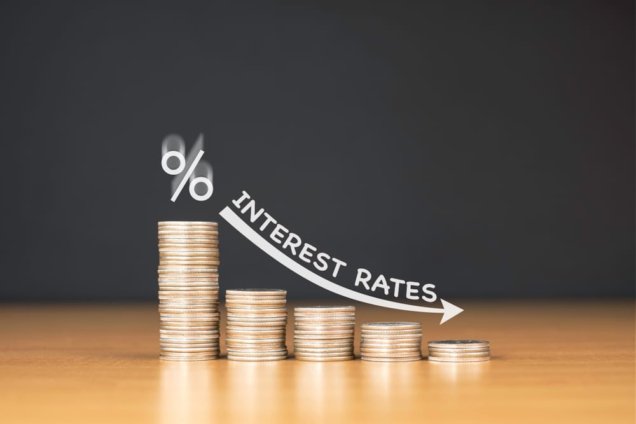
The Summary of Economic and Financial Data released by the Bank of Ghana has revealed that the average lending rate continued to remain in the 20% bracket though it fell marginally to 20.04% in November, 2021, from 20.17% in October 2021.
According to the data, the average lending rate has fallen from 20.97% since January 2021 to 20.04% in November 2021, the lowest this year.
The average lending rate dropped from January 2021 (20.97%) to September 2021 (20.23%) before it went up in October 2021 (20.34%).
Importantly, average cost of borrowing has remained slightly lower than what was recorded last year. It stood at a little above 21% for the entire of 2020, but far lower than the about 29% registered some five years ago.
Decisive policies and interventions by the Bank of Ghana has triggered the significant reduction in the cost of credit down in the last couple of year.
But the average lending rate varies among the banks. It also depends on the type of customer, the risk exposure and the sector the retail or institutional customer operates.
For example, some banks might lend at a lower rate of about 16% to a customer with a history of repaying his or her loan on time.
Others may also offer lending rates far higher than the average rate because the client might be a first time borrower or considered highly risky.
Interest rates trend downwards
On the money market, interest rates generally trended downwards in 2021.
The 91-day and 182-day Treasury bill rates declined to 12.5% and 13.2% respectively in October 2021, from 14.05% and 14.11%, respectively in October 2020.
Similarly, the rate on the 364-day instrument decreased to 16.2% from 17.0% over the period. Except for rates on the 3-year, 15- year and 20-year bonds which remained unchanged at 19.0%, 19.8% and 20.2% respectively, rates on the other medium to long-term instruments generally declined during the period.
On the secondary market, however, rates have started increasing across the spectrum of the yield curve.

Related Posts
South Africa: Lula secures over $21m to boost SME funding
South African fintech Lula has secured R340 million (over $21 million) in local currency funding from the Dutch…
 By
ByIfeyinwa Osime appointed Chair of Access Bank board
Access Holdings Plc has announced the appointment of Mrs. Ifeyinwa Osime as the new Chairman of the Board…
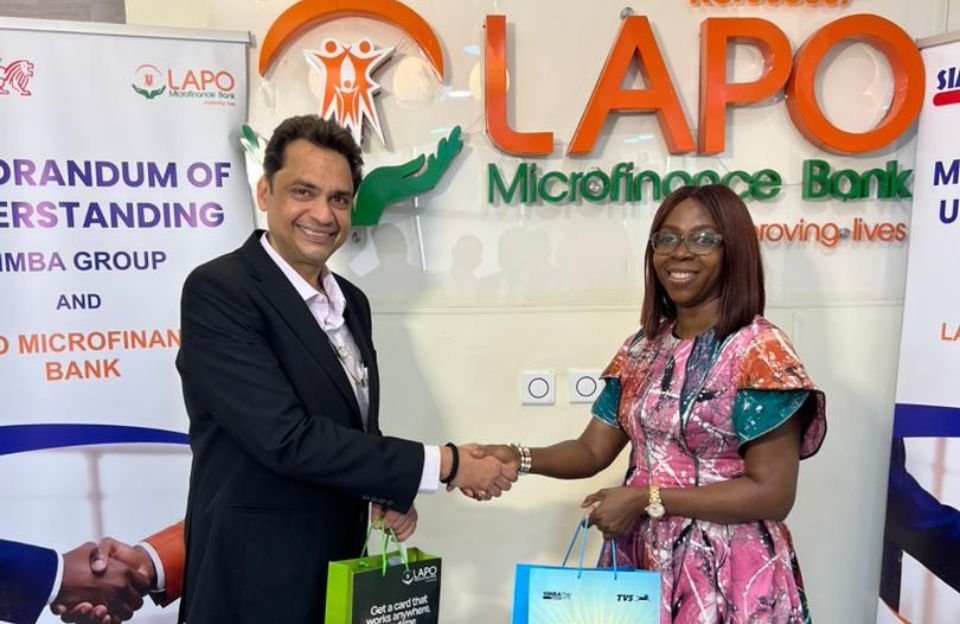
Simba Group, LAPO to enhance asset financing for mobility entrepreneurs
Simba Group, the exclusive distributor of TVS Tricycles (popularly known as Keke) and motorcycles in Nigeria, has entered…
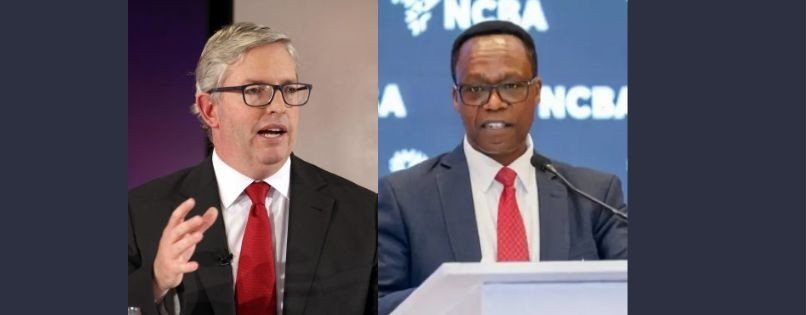
Nedbank plans 66% acquisition of NCBA Group
South Africa’s Nedbank Group Limited has announced its intention to acquire a controlling 66% stake in NCBA Group…





Gallery