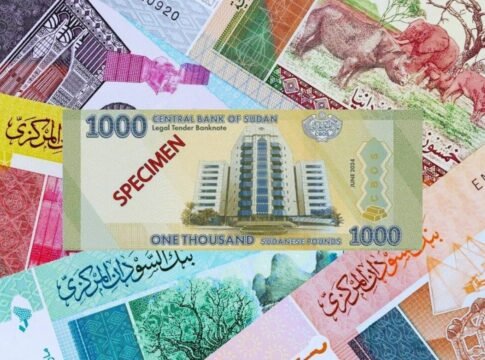
Sudan Introduces New Banknotes Amid Economic Crisis

The Sudanese government has introduced new banknotes and mandated that the predominantly unbanked population open bank accounts. This move comes as Sudan grapples with a two-year conflict between the army and the Rapid Support Forces (RSF), which has wreaked havoc on the economy, devalued the currency by 75%, and left half the population facing hunger.
Finance Minister Jibril Ibrahim reported a significant boost in bank deposits as a result of this initiative. “This strengthens the banking sector, which in turn aids the state in financing projects, including the war effort and productive activities,” Ibrahim told Reuters.
New Banknote Strategy
To obtain the newly issued 500-pound and 1,000-pound banknotes, citizens must deposit their old notes in banks, with daily withdrawal limits in place. This strategy aims to channel funds from an unbanked society into the formal financial system. The conflict has seen RSF soldiers looting banks and disrupting agricultural activities, complicating the government’s efforts to pay salaries and finance essential goods.
Sudan produced 64 tonnes of gold last year, with about half officially exported, indicating a reduction in looted gold in army-controlled areas. The new banknotes were printed in Russia, according to a source at Sudan’s central bank.
Challenges and Criticism
Critics argue that this development has excluded millions from the financial system, particularly those in RSF-controlled regions. Residents in these areas continue to use old notes, electronic transfers, U.S. dollars, and, in some instances, Chadian rials. Protests have erupted in Port Sudan against the new banknotes, with traders reporting dampened sales due to many people lacking identification papers and smartphones for online transfers.
“All of our capital is deposited in the bank. When you need cash in the future, they won’t give you. You might spend a whole day to get 50,000 pounds ($20) or 100,000 pounds ($40),” said fishmonger Ali Moneeb.
The initiative launched in December aims to render funds looted by the RSF worthless. While Ibrahim hailed the initiative as successful, he did not specify the amount of Sudanese pounds deposited.

Related Posts

VFD Group appoints Ijeoma Emezie-Ezigbo as new Deputy Managing Director
VFD Group has appointed Ijeoma Emezie-Ezigbo as Deputy Managing Director, bringing a seasoned deal-advisory leader into its executive…
 By
ByAnne Juuko leads East African Development Bank as new CEO
The East African Development Bank has appointed Anne Juuko as its new chief executive, placing a seasoned banking…

Etihad, Ibom Air sign new Interline agreement linking Nigeria to global network
Etihad Airways, the national carrier of the United Arab Emirates, and Nigerian airline Ibom Air have signed an…

Lazola Sikupela takes new role of HR Director, Africa at Diageo
Diageo has promoted Lazola Sikupela as Human Resources Director for Africa, elevating a leader who has risen through…





Gallery