Shilling hits record low of 112.5 to dollar

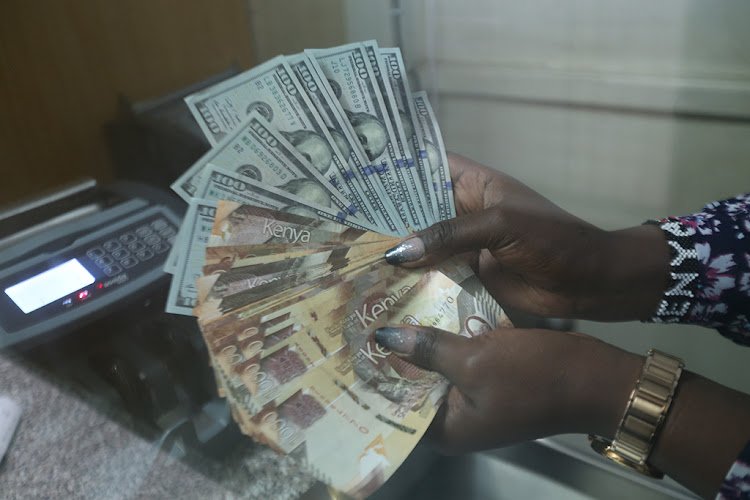
The shilling has declined to a new all-time low of 112.5 against the dollar as importers increase demand for the greenback with the economy recovering from the impact of the pandemic.
Reuters quoted the shilling at 112.45/65 per dollar on Thursday, a record low, after hitting its previous all-time low of 112.30/50 earlier in the week.
Sustained demand for dollars for imports is pushing the shilling downwards with traders projecting further decline against the greenback.
The shilling depreciation is set to hit consumers with higher prices of imported goods like cars, electronics and second-hand clothes as well as that of electricity.“There’s quite a bit of demand that is across the board.
The downward trend is going to continue, likely through the end of the year” said a trader at a commercial bank.
The shilling is on shaky ground on demand for dollar for imports, higher oil prices and repayment of dollar-denominated loans against slower recovery of exports and tourism receipts.
Kenya is hoping diaspora remittances and new multilateral loans will help provide the supply of dollars.
The Central Bank of Kenya also has dollar reserves of Sh978.7 billion ($8.7 billion) enough to meet import demand for 5.3 months.
The weakening of the shilling has triggered fears of a fresh round of inflationary pressure, which has become a political headache for the government that has recently been forced to offer fuel subsidies to defuse social tension.
The shilling has been on the backfoot since mid-May when it stood at Sh106.40 on the combination of weak inflows and strong dollar demand across sectors, traders said.
Kenya imports a wide variety of goods, including petroleum products, wheat, second-hand clothes, motor vehicles, vegetable oils and industrial machinery, whose costs are rising as the shilling weakens against the dollar.
Exporters such as tea and coffee producers are the winners in the shilling’s depreciation, which has the effect of making their products more competitive in the international markets besides boosting their revenue in local currency terms.
The Treasury will also feel the heat of the weakening shilling as Kenya’s debt costs are also rising, a burden to taxpayers who are reeling from the mounting debts.

Related Posts

Sahara Power Launches Construction of 12MW IPP in Lagos
Sahara Power Enterprise Group (SPEG), one of Africa’s largest privately owned power companies, has begun construction of a…
 By
By
Standard Chartered Bank Botswana announces up to 26% profit growth in H1 2026
Standard Chartered Bank Botswana Limited has issued a cautionary announcement stating that its unaudited consolidated profit before tax…

NCBA,BasiGo to fund 1,000 new electric vans for Kenya
NCBA Group and electric mobility company BasiGo have partnered to finance 1,000 electric vans for Kenya’s public transport…

Ladi Sanni joins Renaissance Africa as GM, New Business Development
Ladi Sanni has been appointed General Manager, New Business Development at Renaissance Africa Energy Company, In a statement…





Gallery