APSCHA 2026 convenes Africa’s most senior procurement and supply chain leaders for two days of strategy, recognition, and continental dialogue in the commercial capital of Nigeria.
LAGOS, NIGERIA — The 8th Africa Procurement and Supply Chain Conference & Awards (APSCHA), is scheduled for 28th and 29th July 2026 at the Oriental Hotel, Victoria Island, Lagos , establishing its position, once again, as the continent’s premier convening platform for procurement, logistics, supply chain, and transportation leadership.
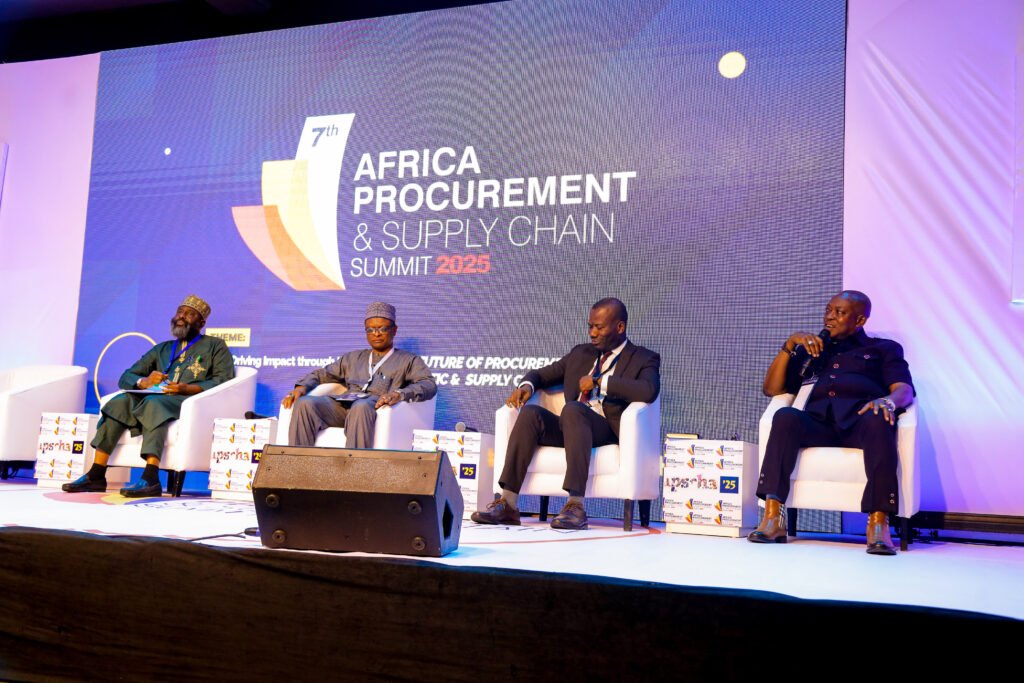
Building on the resounding success of the 7th edition, which recognised outstanding achievements in public and private sector procurement across Africa and cemented APSCHA’s standing as the most authoritative awards and conference programme in the supply chain profession on the continent. The 8th edition arrives with expanded ambition and a theme that signals both the maturity of the platform and the urgency of the conversation it is designed to host.
THE GRAND THEME
Under the golden theme “Unlocking Value Across Africa’s Supply Ecosystem: Procurement, Logistics and Transportation in Action,” APSCHA 2026 confronts one of the most critical questions facing African economies today: how do procurement, logistics, and transportation systems create, or destroy , economic value, and what must change for the continent’s supply ecosystems to operate at their full potential?
Key thematic focus areas will include local content development and its role in building resilient domestic supply bases, the digital transformation of procurement through e-procurement platforms and AI-driven sourcing tools, sustainable procurement practices aligned with ESG commitments, and the logistics and transport infrastructure gaps that continue to constrain the movement of goods across the continent.
The two-day programme will combine high-level keynote addresses, panel sessions structured around actionable frameworks, and peer exchange among the most senior procurement and supply chain executives in Africa.
SPEAKERS AND SPONSORS: Building The Room That Matters
APSCHA 2026 is set to feature an impressive lineup of speakers drawn from the highest echelons of Africa’s procurement and supply chain profession. The carefully curated faculty brings together chief executives of national procurement regulatory bodies, senior executives from leading multinational corporations, energy sector procurement leaders, and key public sector officials driving government-wide procurement reforms across the continent.
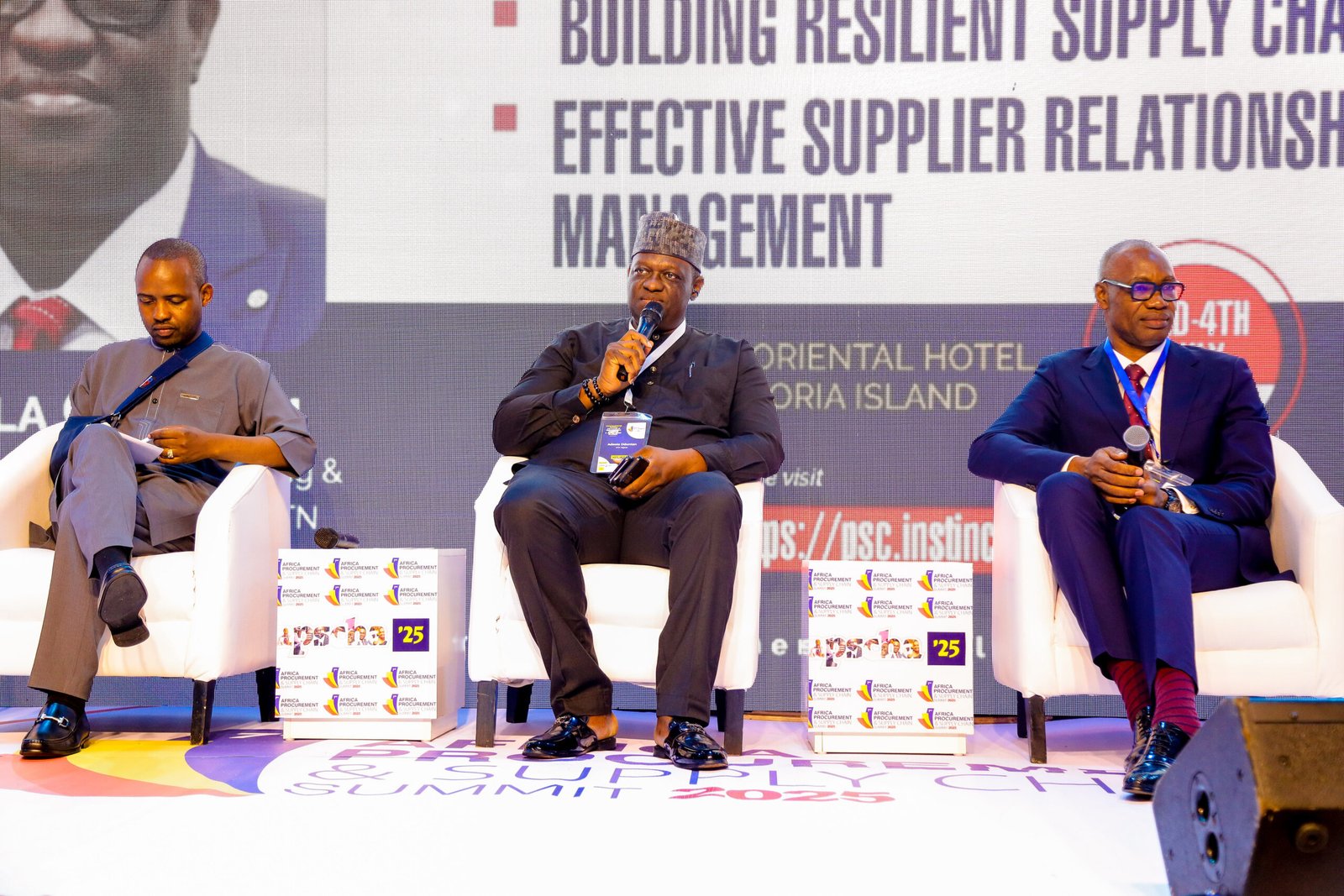
Among the distinguished speakers are Dr. Adebowale Adedokun, Director General of the Bureau of Public Procurement, Nigeria; Dr. John Ngeno, General Manager for Supply Chain & Logistics at Kenya Power; and Adeola Oduntan, General Manager for Global Sourcing & Supply Chain Management at MTN Nigeria.
Also joining the faculty are Barr. Joshua Sunday Ehimoni Esq, Chairman of the 36 States Directors General Forum and Director General of the Kogi State Bureau of Public Procurement; Ms. Deborah Okunbo, MD/CEO of the Edo State Public Procurement Agency; QS Raheem Abdulbaki, CEO of the Kwara State Public Procurement Agency; and Engr. Dr. Ine T. Fubara Briggs, Director General of the Rivers State Bureau of Public Procurement.
The lineup further includes industry practitioners such as Nkechi Esechie, Head of Procurement for Nigeria & Kenya at Eat N Go, and Monicah Mwangi, Head of Procurement at the Public Private Partnership Directorate in Kenya.
Strategic sponsors and partners who align with APSCHA 2026 will benefit from direct visibility among the most influential procurement decision-makers in Africa, a room that includes the executives who control billions of naira, cedis, shillings, and dollars in annual procurement spend. Sponsorship at APSCHA is not brand exposure. It is strategic access.
APSCHA 2026 is also strengthened by its strategic collaborations with the Ghana Institute of Procurement and Supply (GIPS) and the Lagos State Public Procurement Agency (LSPPA) — institutional partnerships that bring credentialing rigour, regulatory depth, and professional community reach to the event’s programming and awards process.
The Awards: Excellence That Deserves Recognition
The conference will culminate in a formal awards gala on the evening of 29 July 2026 , honouring the outstanding individuals, organisations, and teams whose contributions to procurement excellence, supply chain innovation, and operational leadership have defined the standards of the profession on the continent.
The APSCHA Awards programme spans public and private sector categories, recognising procurement leaders, supply chain innovators, logistics trailblazers, sustainability champions, and organisations that have demonstrated measurable excellence in how they source, move, and manage goods and services across Africa.
Convener’s Commentary
Akin Naphtal, Group Chief Executive Officer of InstinctWave and Group Publisher of InstinctBusiness Magazine and Africa Procurement & Supply Chain Magazine, spoke on the essence of the 8th edition’s grand theme:
“The theme of this edition is not rhetorical, it is a direct response to what we hear from procurement and supply chain leaders across Africa every time we engage them. The value is there. The potential is there. What remains elusive, in too many contexts, is the ability to unlock it , to move from procurement as a compliance function to procurement as a value architecture that shapes an organisation’s competitive position and a nation’s economic resilience. That is the conversation APSCHA 2026 is designed to have: concrete, cross-sector, and built on the authority of the professionals in the room.”
Mr Naphtal also spoke about the second day which the awards event:
“The Awards exist because excellence in procurement and supply chain is chronically under-celebrated. . APSCHA exists to tell those stories, to name those leaders, and to make the case, to organisations, governments, and the public ,that the people who manage the movement and sourcing of goods and services are not back-office functionaries. They are strategic assets. And they deserve to be treated as such.”
You actually make it appear so easy along with your presentation but I in finding this matter to be really
something which I believe I might never understand. It sort of feels too complex and very
extensive for me. I am taking a look forward to your next
publish, I will try to get the hold of it!
Indexing and index number checking servicing for Google and Yandex.
fast indexing api
Who bum benefit from this service?
This military service is useful for site owners
and SEO specialists who neediness to gain their visibleness in Google and Yandex,
ameliorate their place rankings, and addition constitutional dealings.
SpeedyIndex helps chop-chop power backlinks,
newfangled pages, and web site updates. google news fast indexing https://speedyndex.taplink.ws






 By
By