UBA commits a whooping $20bn to Boost Ghana’s Business Growth

United Bank for Africa (UBA) has reaffirmed its commitment to Ghana’s economic transformation by pledging to leverage its more than $20 billion balance sheet to support businesses, stimulate investment and deepen trade opportunities across Africa.
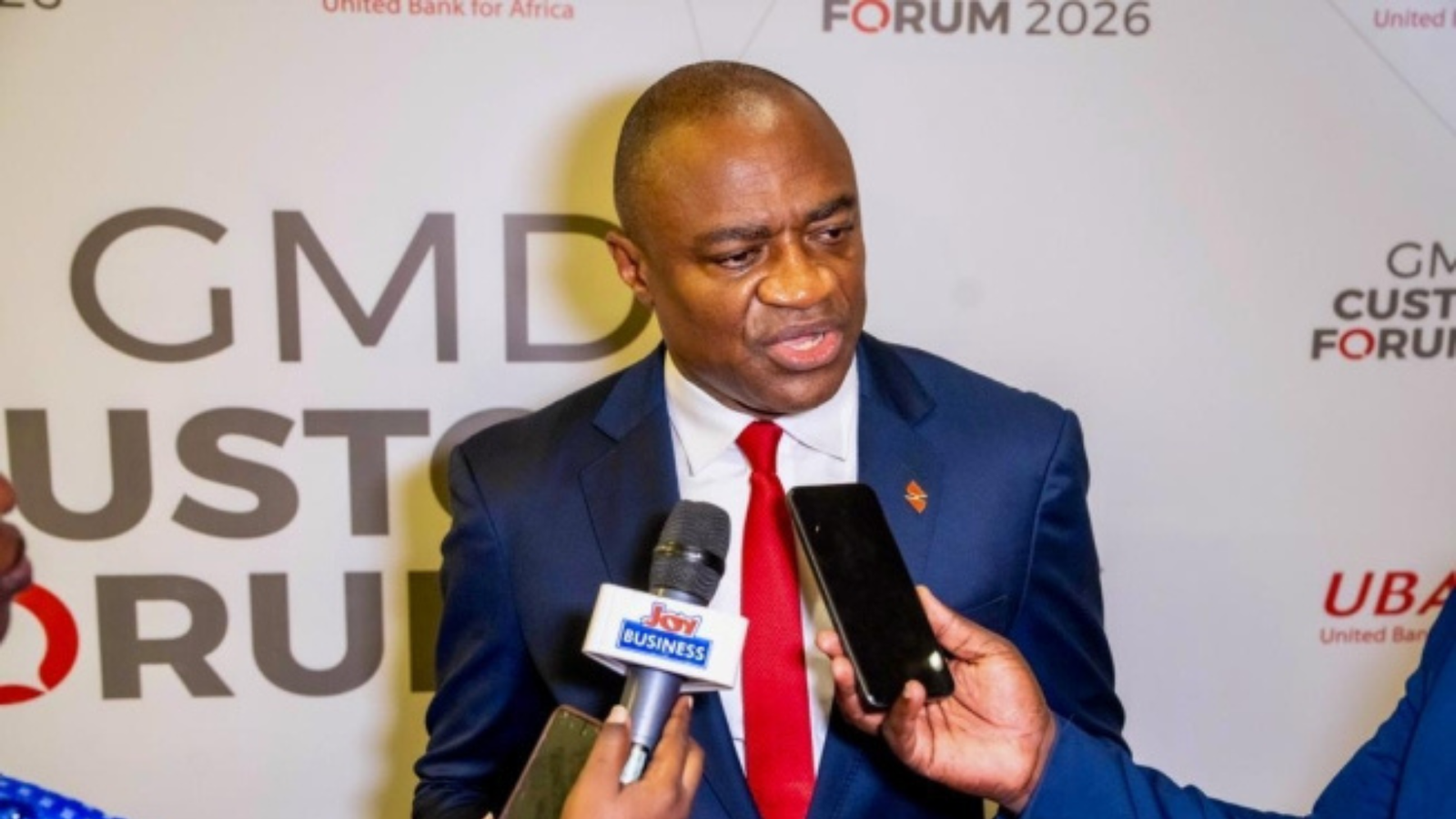
The commitment was announced by the Group Managing Director and Chief Executive Officer of UBA, Oliver Alawuba, during the GMD’s Customer Forum 2026 held in Accra. The engagement formed part of his official visit to Ghana and brought together key business leaders, customers and stakeholders to discuss strategies for strengthening partnerships and supporting economic growth.
Alawuba said Ghana’s improving macroeconomic indicators—including easing inflation, greater exchange rate stability and renewed investor confidence—have created a favorable environment for business expansion and long-term investment.
He noted that UBA’s extensive footprint across 24 African countries positions the bank to help Ghanaian businesses move beyond the domestic market and capitalize on opportunities presented by intra-African trade.
“UBA Ghana is leveraging the expertise, experience and financial strength of the UBA Group to support customers in Ghana and help businesses access markets beyond the country,” Alawuba said.
UBA to Support Businesses Beyond Financing
Beyond providing access to capital, Alawuba said UBA is committed to offering businesses technical expertise, market intelligence, business development support and strategic partnerships to enhance their competitiveness.
He emphasized that stronger collaboration between financial institutions, governments and the private sector would be essential to sustaining Ghana’s economic gains, particularly amid global geopolitical tensions and uncertainties affecting international markets.
According to him, developments such as the ongoing conflict in the Middle East and rising global oil prices could place renewed pressure on inflation across African economies, making resilient financial partnerships increasingly important.
“Africa is your market, and whatever you are producing or selling, we will support you to access markets beyond Ghana so businesses can do more with less,” he said.
Customer Feedback Remains Central to UBA’s Strategy
During the customer engagement forum, Alawuba stressed that direct interaction with clients remains a key part of UBA’s strategy to improve service delivery and develop solutions tailored to evolving business needs.
ALSO READ: SYNGENTA GROUP NAMES HENGDE QIN AS NEW CEO
He explained that customer feedback enables the bank to refine its products, improve operational efficiency and provide more responsive financial services that help businesses remain competitive.
He also encouraged greater collaboration among businesses, noting that stronger partnerships within value chains can unlock new market opportunities and contribute to broader economic development.
“We see customer feedback as a valuable resource that helps us improve our engagement, strengthen support services and make businesses more competitive,” he added.
UBA Ghana Reaffirms Commitment to Customers
Managing Director and Chief Executive Officer of UBA Ghana, Bernard Appiah Gyebi, thanked customers for participating in the engagement session and reaffirmed the bank’s commitment to building long-term relationships based on shared growth and value creation.
Gyebi said the forum provided a valuable platform for customers to engage directly with UBA’s leadership, exchange ideas, strengthen business networks and explore new collaboration opportunities across different industries.
He added that the bank remains focused on supporting businesses beyond traditional banking by creating an ecosystem that promotes sustainable growth, innovation and cross-border trade throughout Africa.
With its strong capital base, continental presence and customer-focused strategy, UBA aims to play a greater role in supporting Ghanaian enterprises, driving investment and contributing to the country’s ongoing economic recovery while advancing regional trade integration.

Related Posts
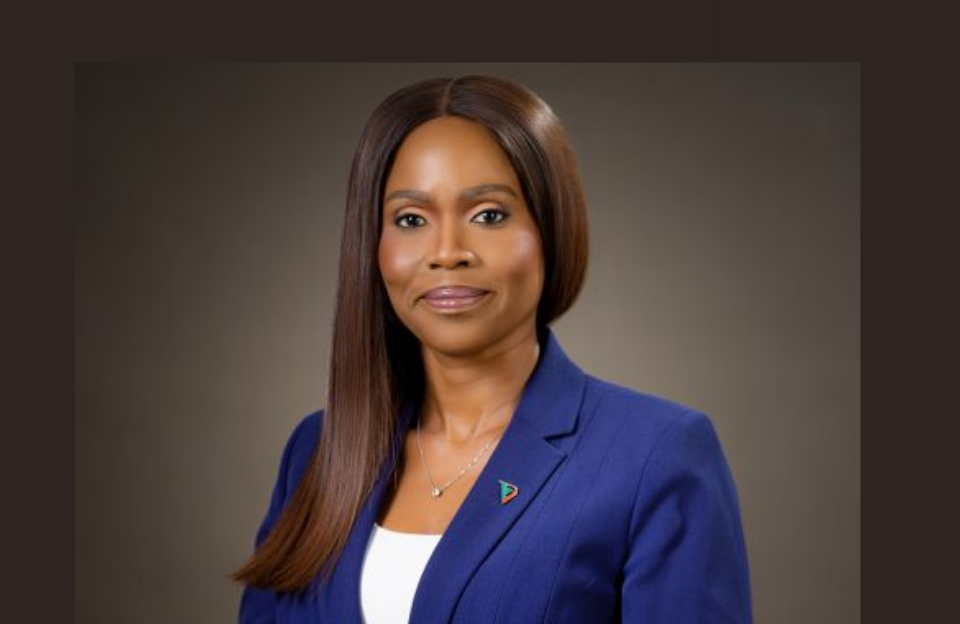
VFD Group appoints Ijeoma Emezie-Ezigbo as new Deputy Managing Director
VFD Group has appointed Ijeoma Emezie-Ezigbo as Deputy Managing Director, bringing a seasoned deal-advisory leader into its executive…
 By
ByAnne Juuko leads East African Development Bank as new CEO
The East African Development Bank has appointed Anne Juuko as its new chief executive, placing a seasoned banking…
Etihad, Ibom Air sign new Interline agreement linking Nigeria to global network
Etihad Airways, the national carrier of the United Arab Emirates, and Nigerian airline Ibom Air have signed an…
Lazola Sikupela takes new role of HR Director, Africa at Diageo
Diageo has promoted Lazola Sikupela as Human Resources Director for Africa, elevating a leader who has risen through…




Gallery