Safaricom CEO appointment Now Subject to New Governance reforms

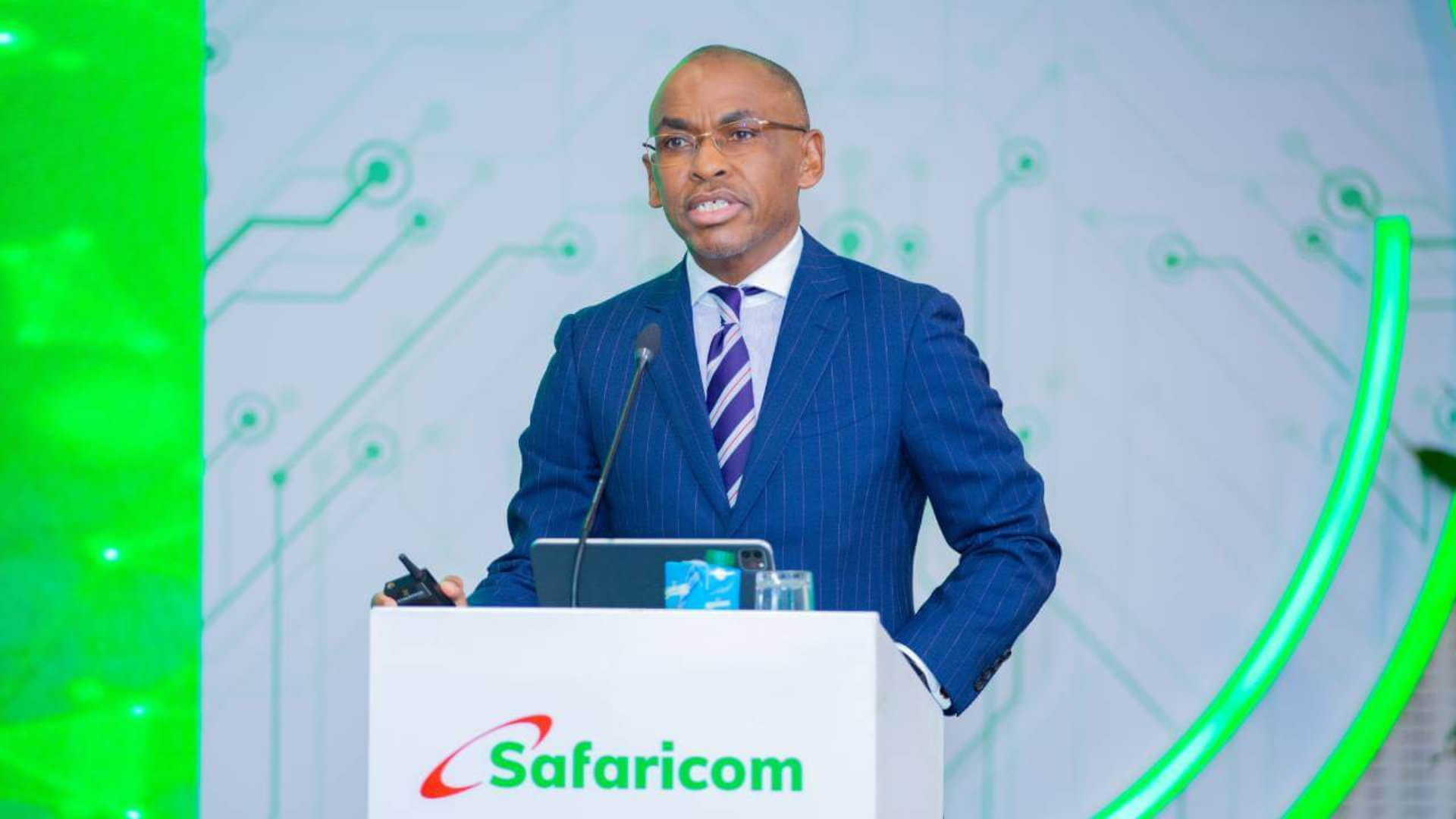
Safaricom shareholders are set to vote on a series of proposed governance reforms that could significantly expand Vodafone Kenya Limited’s (VKL) influence over the appointment of the company’s Chief Executive Officer and members of its Board of Directors.
The proposals, contained in the notice for Safaricom’s Annual General Meeting (AGM) scheduled for July 31, 2026, seek to amend the company’s Articles of Association to reflect its current ownership structure, comply with evolving legal requirements, and strengthen corporate governance practices.
Among the most notable amendments is a provision that would give Vodafone Kenya Limited the right to nominate Safaricom’s Chief Executive Officer whenever it holds more than 50 percent of the company’s issued and fully paid share capital. While the Board of Directors would retain the authority to formally appoint the CEO, the nomination would originate from Vodafone Kenya under the proposed governance framework.
Vodafone Kenya’s Board Appointment Rights
The proposed amendments also introduce enhanced board appointment rights tied to Vodafone Kenya Limited’s ownership stake.
If approved by shareholders, Vodafone Kenya would be entitled to appoint, remove, or replace one director when it owns at least 10 percent of Safaricom’s issued share capital. That entitlement would increase to three directors if its shareholding reaches or exceeds 50 percent.
The revised Articles further clarify that any future name change by Vodafone Kenya Limited would not affect these rights, as they would automatically transfer to its legal successor.
Similar provisions have also been proposed for the Cabinet Secretary to the National Treasury, allowing government-appointed directors based on the Government of Kenya’s shareholding in Safaricom.
Board Structure to Remain Locally Driven
Despite the proposed changes to shareholder appointment rights, Safaricom intends to preserve local representation within its governance structure.
Under the proposed framework, the Board will continue to comprise between 11 and 15 directors, with Kenyan citizens maintaining a majority. Independent non-executive directors will also continue to form the majority of board members, reinforcing the company’s commitment to sound corporate governance and independent oversight.
ALSO READ: APSCHA 2026 BRINGS AFRICA’S PROCUREMENT AND SUPPLY CHAIN LEADERS TO LAGOS
New Governance and Decision-Making Framework
Safaricom is also proposing several governance enhancements designed to improve board effectiveness and decision-making.
One of the proposed amendments introduces a formal board deadlock resolution mechanism to address situations where directors are unable to reach agreement on key strategic matters.
In addition, revisions to Article 102 would require at least 75 percent approval of directors present for certain reserved matters. Some strategic decisions would also require the consent of both the Government of Kenya and the Chief Executive Officer before they can be adopted.
The proposals further state that resolutions relating to these reserved matters will not be deemed approved unless the enhanced voting thresholds are achieved.
Digital Resolutions and Dividend Policy Updates
The telecommunications giant is also seeking to modernize its governance processes by formally recognizing electronic written resolutions.
If shareholders approve the amendments, resolutions signed electronically or communicated through approved digital channels will carry the same legal standing as those executed in person, reflecting the increasing adoption of digital corporate governance practices.
Safaricom is also proposing changes to its dividend provisions, requiring dividend recommendations to align with the company’s approved dividend policy unless shareholders decide otherwise.
The amendments would additionally grant directors broader authority to establish and invest reserves before recommending dividend distributions, providing greater financial flexibility while supporting long-term business growth.
Constitutional Alignment
Another proposed amendment seeks to update the company’s constitutional terminology by replacing references to the Permanent Secretary to the Treasury with the Cabinet Secretary to the National Treasury, ensuring the Articles of Association align with Kenya’s current constitutional and administrative framework.
All proposed amendments will be presented as special resolutions during the July 31 AGM. In accordance with corporate governance requirements, each resolution will require the support of at least 75 percent of votes cast by shareholders before taking effect.
The outcome of the vote is expected to shape Safaricom’s governance framework and shareholder rights while influencing how leadership appointments and strategic decisions are managed as the telecommunications company continues its expansion across Kenya and the wider East African market.

Related Posts
VFD Group appoints Ijeoma Emezie-Ezigbo as new Deputy Managing Director
VFD Group has appointed Ijeoma Emezie-Ezigbo as Deputy Managing Director, bringing a seasoned deal-advisory leader into its executive…
 By
ByAnne Juuko leads East African Development Bank as new CEO
The East African Development Bank has appointed Anne Juuko as its new chief executive, placing a seasoned banking…
Etihad, Ibom Air sign new Interline agreement linking Nigeria to global network
Etihad Airways, the national carrier of the United Arab Emirates, and Nigerian airline Ibom Air have signed an…
Lazola Sikupela takes new role of HR Director, Africa at Diageo
Diageo has promoted Lazola Sikupela as Human Resources Director for Africa, elevating a leader who has risen through…





Gallery