Kenya: Equity net profit up 78pc on lending income rise

Equity Group reported a 77.8 percent jump in net profit in the nine months to September on higher income from lending and transactions.
The country’s biggest banks by assets made a net income of Sh26.3 billion in the review period compared to Sh14.8 billion a year.
The lender could post record net earnings of Sh35 billion for the full year ending December if it sustains the momentum, a move that could see it declare a dividend of more than Sh2.5 per share based on its new policy of distributing at least 30 percent of net income.
Equity suspended dividends in 2019 and 2020, citing the need to fortify its balance sheet at a time when it was still pursuing acquisitions in the region including in the Democratic Republic of Congo (DRC).
The bank recently said it will resume dividend payments after publishing a formal policy of distributing between 30 percent and 50 percent of net earnings.
The lender benefitted from a 28.6 percent jump in interest income to Sh67 billion as the loan book expanded 23.1 percent to Sh559 billion. A 25.8 percent increase in purchase of government bonds and T-bills to Sh233.1 billion also served to lift total interest income.
Non-interest income, including fees on transactions, rose 28.8 percent to Sh31.9 billion in what helped to boost earnings.
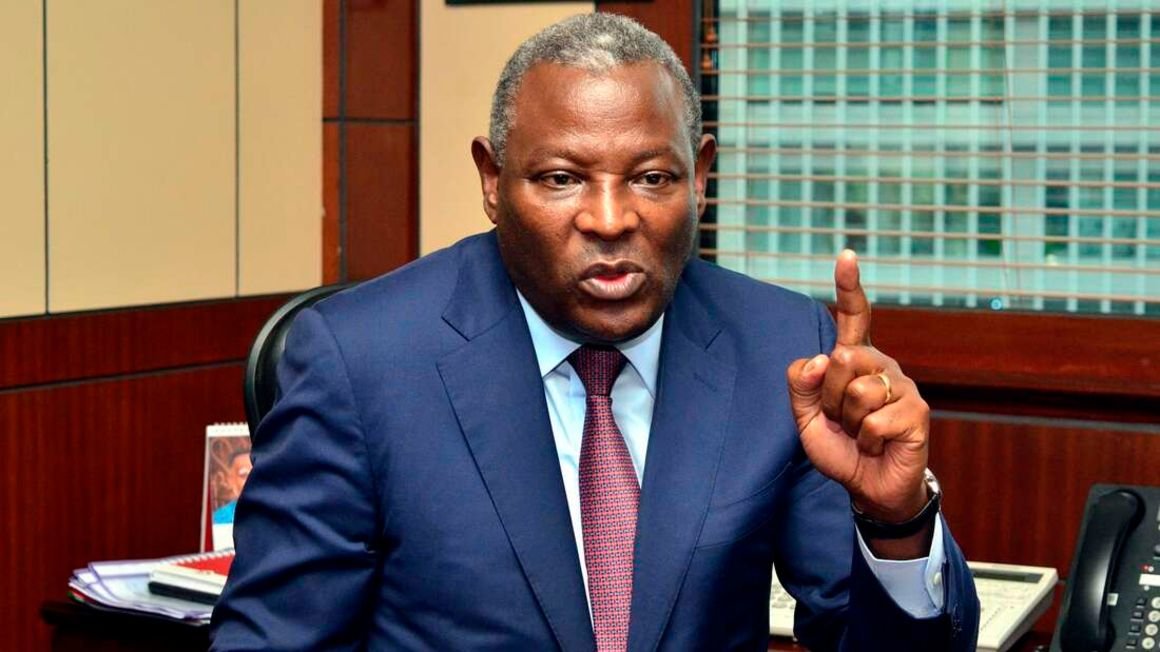
Equity’s chief executive James Mwangi, at an investor briefing said “Non-funded income grew by 29 percent faster than the interest income from loan book which grew by 24.4 percent as the bank deployed deposits to high-earning asset base other than government securities. We continue to look at where we can invest much for more revenue.”
Earnings from transactions would have been higher were it not for zero-rating of bank-to-mobile cash transfers which was effected to offer financial relief to customers in the wake of the Covid-19 pandemic.
Equity is among the banks that are yet to resume charging on such transactions while a few other firms such as Safaricom and Co-op Bank having successfully lobbied the regulator to allow them to levy fees though at reduced rates.
Equity’s bottom-line also benefitted from reduced provisions for bad debt despite a rise in defaults. The lender lowered its provisions 65.1 percent to Sh5.1 billion even as non-performing loans increased 8.5 percent to Sh56.1 billion.
The reduced provisions helped lower total operating expenses 26.9 percent to Sh9.8 billion.

Related Posts
VFD Group appoints Ijeoma Emezie-Ezigbo as new Deputy Managing Director
VFD Group has appointed Ijeoma Emezie-Ezigbo as Deputy Managing Director, bringing a seasoned deal-advisory leader into its executive…
 By
ByAnne Juuko leads East African Development Bank as new CEO
The East African Development Bank has appointed Anne Juuko as its new chief executive, placing a seasoned banking…

Etihad, Ibom Air sign new Interline agreement linking Nigeria to global network
Etihad Airways, the national carrier of the United Arab Emirates, and Nigerian airline Ibom Air have signed an…

Lazola Sikupela takes new role of HR Director, Africa at Diageo
Diageo has promoted Lazola Sikupela as Human Resources Director for Africa, elevating a leader who has risen through…





Gallery