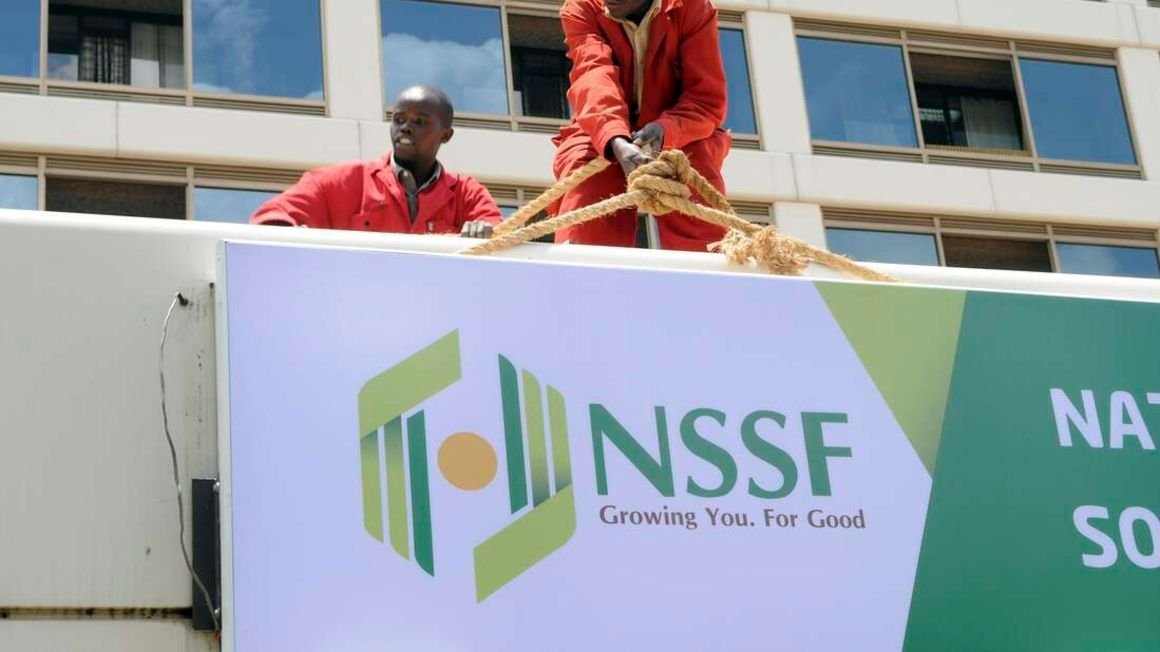
National Social Security Fund (NSSF) doubles investment in State’s debt securities

The National Social Security Fund (NSSF) more than doubled its holding in government securities in five years, signalling a leaning towards higher guaranteed returns in a market where listed equities have generated lower returns and increased volatility.
Latest industry statistics show the State-owned pension fund has grown its stake in Treasury bonds and bills to Sh170.9 billion last year from Sh83.2 billion in 2017.
The government debt instruments have fixed cash returns ranging from 7.4% to 15% depending on the duration.
Government securities made up 58.86% of NSSF’s Sh290.3 billion assets in the review period, a sharp rise from 39.76% of the Sh209.26 billion portfolio in 2017, according to the report by the Retirement Benefits Authority.
NSSF–which has hired six privately-held asset managers to oversee the investment of 82.9% of its portfolio –increased its allocation to government securities last year by Sh20.39 billion from an average of Sh25.93 billion in the prior two years.
This came in the year pension funds recorded the biggest growth in lending to government among the major investor groupings like banks and insurers as they searched for guaranteed returns in the wake of Covid-19 shocks on earnings.
The pension funds raised holdings of government debt by Sh206.64 billion to cross the Sh1.26 trillion mark between January and December 2021, according to the Central Bank of Kenya, helping them race ahead of banks whose portfolio rose Sh166.19 billion to Sh2.03 trillion.
“The schemes continued to invest heavily in government securities with the asset class accounting for 45.69% of the [nearly Sh1.55 trillion] total assets under management,” RBA, the industry regulator, wrote in the report for 2021.
The heavy concentration of investments in government’s fixed-income securities coincided with a shift in Treasury’s domestic borrowing policy towards longer-dated bonds which favour investment preferences for schemes that manage savings for retirees.
The average time to maturity for Treasury bonds last December was 8.80 years compared with 7.5 years in June 2019 and 4.1 years in June 2018, according to the Treasury.

Related Posts

VFD Group appoints Ijeoma Emezie-Ezigbo as new Deputy Managing Director
VFD Group has appointed Ijeoma Emezie-Ezigbo as Deputy Managing Director, bringing a seasoned deal-advisory leader into its executive…
 By
ByAnne Juuko leads East African Development Bank as new CEO
The East African Development Bank has appointed Anne Juuko as its new chief executive, placing a seasoned banking…

Etihad, Ibom Air sign new Interline agreement linking Nigeria to global network
Etihad Airways, the national carrier of the United Arab Emirates, and Nigerian airline Ibom Air have signed an…

Lazola Sikupela takes new role of HR Director, Africa at Diageo
Diageo has promoted Lazola Sikupela as Human Resources Director for Africa, elevating a leader who has risen through…





Gallery