Stellantis, Vulcan Energy to develop renewable energy assets in Germany

Automaker Stellantis (STLA.MI) has teamed up with lithium group Vulcan Energy Resources (VUL.AX) to develop geothermal energy projects in Germany to help decarbonise production of electric vehicles at Rüsselsheim, the two companies said on Tuesday.
Stellantis’ Rüsselsheim facility is where the world’s third largest carmaker by sales produces its DS 4 and Opel Astra models.
“Stellantis and Vulcan will aim to produce clean electricity and supply it to the grid for both internal and external consumption, in accordance with Germany’s Renewable Energy Act (EEG), while also producing heat to be transferred to Stellantis’ manufacturing site, the two firms said in a statement.
War in Ukraine has tightened Europe’s energy supply, causing uncertainty for manufacturers already suffering from strained supply chains for raw materials and components such as semiconductors.
Australia-based Vulcan initially will carry out a pre-feasibility study for the development of energy projects.
The two firms together will seek public funding opportunities for it while Stellantis, which holds an 8% stake in Vulcan, will aim to source funding for 50% of the project’s development.
Stellantis CEO Carlos Tavares said the partnership with Vulcan reinforced the group’s commitment to greater use of clean energy.
“It is one of many actions we’ve taken to drive results, impact, and sustainability,” he said.
The carmaker, formed two years ago through the merger of Fiat Chrysler and Peugeot maker PSA, already has a deal with Vulcan for lithium supply from the miner’s project in the Upper Rhine Valley in Germany.
Extending its network of direct deals with raw material suppliers for EV batteries, Stellantis last week signed a contract with Australian miner Element 25 (E25.AX) for manganese sulphite.
It previously announced agreements with GME Resources (GME.AX) on nickel and cobalt sulphate and with U.S.-based Controlled Thermal Resources (CTR) for lithium hydroxide.
Stellantis wants battery electric vehicles to account for 100% of its European passenger car sales and 50% of its U.S. passenger car and light-duty truck sales by 2030.
Source: Reuters

Related Posts
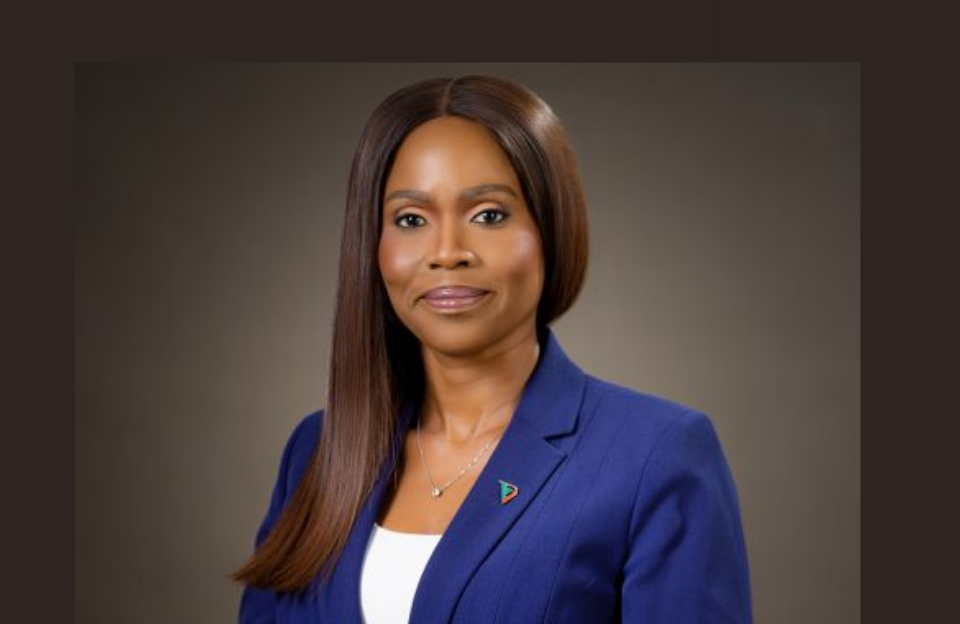
VFD Group appoints Ijeoma Emezie-Ezigbo as new Deputy Managing Director
VFD Group has appointed Ijeoma Emezie-Ezigbo as Deputy Managing Director, bringing a seasoned deal-advisory leader into its executive…
 By
ByAnne Juuko leads East African Development Bank as new CEO
The East African Development Bank has appointed Anne Juuko as its new chief executive, placing a seasoned banking…
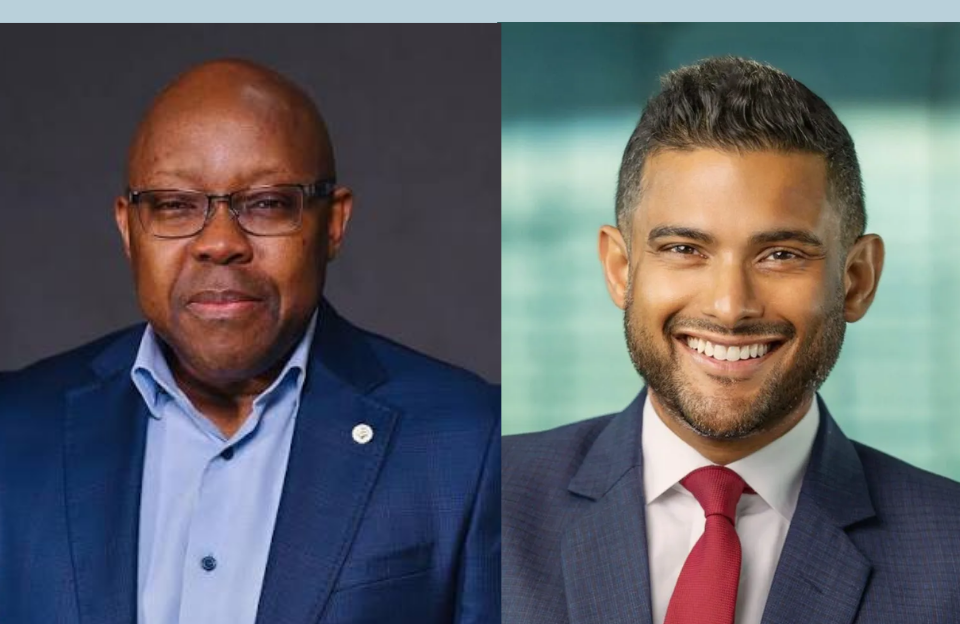
Etihad, Ibom Air sign new Interline agreement linking Nigeria to global network
Etihad Airways, the national carrier of the United Arab Emirates, and Nigerian airline Ibom Air have signed an…
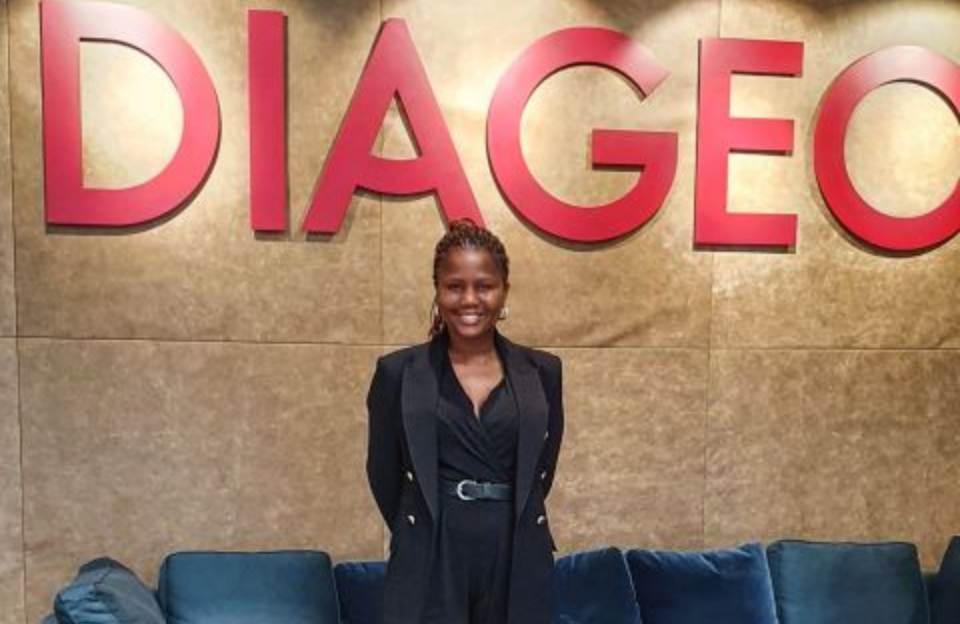
Lazola Sikupela takes new role of HR Director, Africa at Diageo
Diageo has promoted Lazola Sikupela as Human Resources Director for Africa, elevating a leader who has risen through…




Gallery