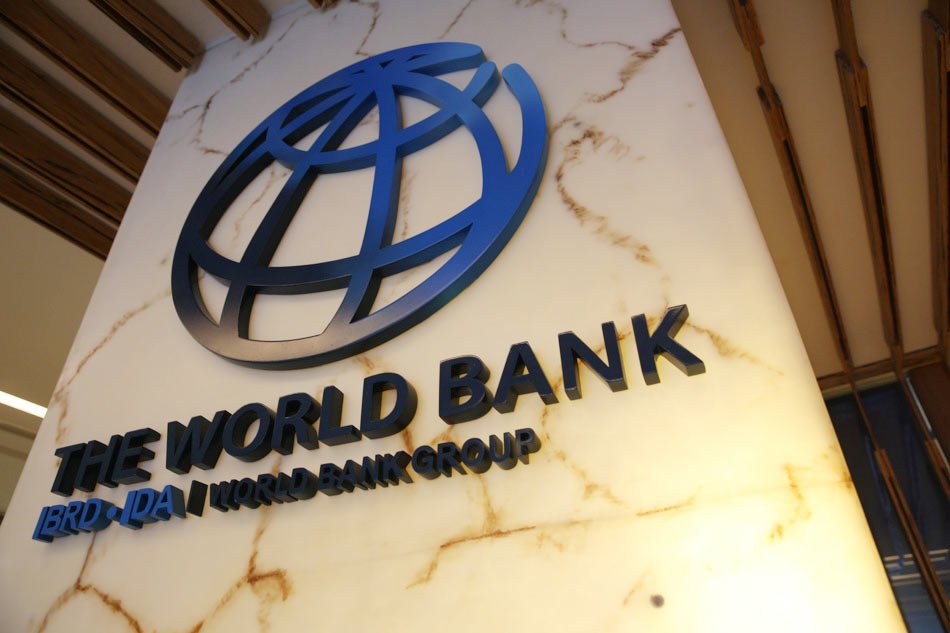
World Bank reports remittance inflow set to hit $17.6bn in Nigeria

A new report by the World Bank has indicated that, Nigeria’s remittance inflow is set to hit $17.6bn and push inflows to Sub-Saharan Africa to $45bn in 2021.
Based on the report from World Bank titled, ‘Recovery COVID-19 Crisis Through a Migration Lens: Migration and Development Brief 35’, which was released on Wednesday, showed that remittance inflows to Sub-Saharan Africa returned to growth in 2021, increasing by 6.2 per cent to $45bn.
The Washington, United States-based bank said, “Several developments are supporting a return to growth in remittance inflows during 2021, estimated at 6.2 per cent to $45bn.”
The bank noted that the recovery in Nigeria’s remittance inflows could be partially attributed to the increasing influence of policies intended to channel inflows through the banking system.
The global bank also said remittance inflows to low and middle-income countries would reach $589bn in 2021.
It said, “Nigeria continues to dominate remittance inflows into Sub-Saharan Africa given the exceptional size of the Nigerian migrant base (an estimated 800,000 persons) concentrated in two key host countries, the United States (375,000) and the United Kingdom (220,000).
“The case of Kenya is also of note, as the country recorded more than 15 per cent annual growth in receipts from 2015 through 2021, with a robust 19 per cent gain in the current year. For those countries where remittance inflows make up a substantial proportion of GDP—Lesotho, the Gambia, and the island states of Cabo Verde and Comoros—continuing or special factors are involved.
“A downturn in revenues of the Southern Africa Customs Union has required migrants from smaller member states in southern Africa to increase the amount of their personal transfers.
“The collapse of tourism revenues in several island states with small populations has prompted increases inflows to home countries. Signs of a modest pickup in officially recorded inflows to Nigeria support a positive regional forecast.
“Economic recovery in Europe and the United States in 2021—just as most Sub-Saharan African countries suffered significant debt difficulties and anemic growth—should enable and incentivize increased economic and altruistic remittance flows from the large African diaspora.
“The number of extreme poor in the region is likely to have increased by more than 32 million from 2020 through mid-2021, and economic growth is expected to be 3.7 percent for the year—the slowest among developing regions in 2021.”
In 2018, remittance inflow to Nigeria was $24.31bn; in 2019, it was $23.81bn; and in 2020, it dropped to $17.21bn, according to data from the World Bank.
According to the World Bank, Nigeria accounts for 50 per cent of remittances to Sub-Saharan Africa, with the nation’s 28 per cent ($6.6bn) dropped in remittance causing the region’s remittance inflow to drop by 14.1 per cent in 2020.
The global bank, “Africa is mired in a worsening debt crisis, relying on external support to meet financing requirements. But the broader resilience of migrant-worker remittances in the face of deterioration in economic conditions has been clearly demonstrated in the region.”
According to the World Bank, the cost of remittance to Sub-Saharan Africa is the highest globally. The bank said “The cost of sending money across international borders remained high, around 6.4 per cent on average in the first quarter of 2021. Sending remittances to Sub-Saharan Africa is particularly high (eight per cent).”
The bank added that remittance inflows to Sub-Saharan Africa would increase in 2022, especially on the back of a gradual movement toward the use of official channels for inflows to Nigeria.
The global bank said an anticipated 7.3 per cent increase in remittances in 2022 would increase Nigerian receipts to $19bn, although still below the average $23bn that characterized the pre-pandemic period, driving African receipts to $48bn for the year.

Related Posts
VFD Group appoints Ijeoma Emezie-Ezigbo as new Deputy Managing Director
VFD Group has appointed Ijeoma Emezie-Ezigbo as Deputy Managing Director, bringing a seasoned deal-advisory leader into its executive…
 By
Anne Juuko leads East African Development Bank as new CEO
The East African Development Bank has appointed Anne Juuko as its new chief executive, placing a seasoned banking…

Etihad, Ibom Air sign new Interline agreement linking Nigeria to global network
Etihad Airways, the national carrier of the United Arab Emirates, and Nigerian airline Ibom Air have signed an…

Lazola Sikupela takes new role of HR Director, Africa at Diageo
Diageo has promoted Lazola Sikupela as Human Resources Director for Africa, elevating a leader who has risen through…





Gallery