Sterling Bank Announces N7.1bn Trading Income

Sterling Bank Plc has reported a trading income of N7.1 billion for the nine months quarter ended September 30, 2020, compared with N1.9 billion recorded in the corresponding period of 2019.
This represented an increase of 264.7 per cent. The trading income was realised from the gross earnings of N106 billion posted in 2020 compared with N109 billion in 2019.
Profit before tax (PBT) grew from N7.65 billion in 2019 to N8.024 billion, while profit after tax (PAT) stood at N7.367 billion as against N7.579 billion in 2019.
Commenting on the performance, the Managing Director/ Chief Executive Officer (MD/CEO) of Sterling Bank Plc, Mr. Abubakar Suleiman, said: “With economic activity picking up in the third quarter, following the gradual ease in the nationwide lockdown, we continued to leverage on our existing remote work policy to enhance workforce productivity while ensuring uninterrupted service delivery to both existing and new customers.
“Our performance continues to reflect positive results of strategic decisions and investments in our focus areas as we continued to record significant improvement in both funding and operational costs. Overall, we delivered a 7.2 per cent increase in operating income and a profit after tax of N7.37 billion despite prevailing uncertainties around the COVID-19 pandemic and recent fiscal reforms.”
He said growth in balance sheet was driven by a 26.5 per cent growth in low cost funds, which saw the bank’s CASA mix improve to 71 per cent from 60 per cent, delivering a 6.6 per cent growth in customer deposits.
“Our cash and short-term balances increased in line with the higher regulatory reserves while interest income also declined by 6.7 percent, which was offset by a 17 per cent decline in interest expense. This delivered a 120 bps drop in cost of funds and, consequently, a 100-bps increase in net interest margin,” he added.
Suleiman noted that in terms of asset quality, “we proactively increased our cost of risk by 100 bps to 1.9 per cent, while recording a marginal increase in non-performing loan (NPL) ratio to 2.9 per cent, well below our target of five per cent.”
He explained that the decline in opex was achieved by moderating administrative expenses despite growth in other operating expenses, including AMCON and insurance fees
The CEO said the bank was able to maintain a strong capital and liquidity position of 16.1 percent and 32.5 per cent respectively above regulatory benchmark.

Related Posts

IFAD, Equity Bank launch $200m climate finance in East Africa
IFAD and Equity Group launches $200m climate finance mechanism for smallholder farmers and rural businesses in East Africa…
 By
By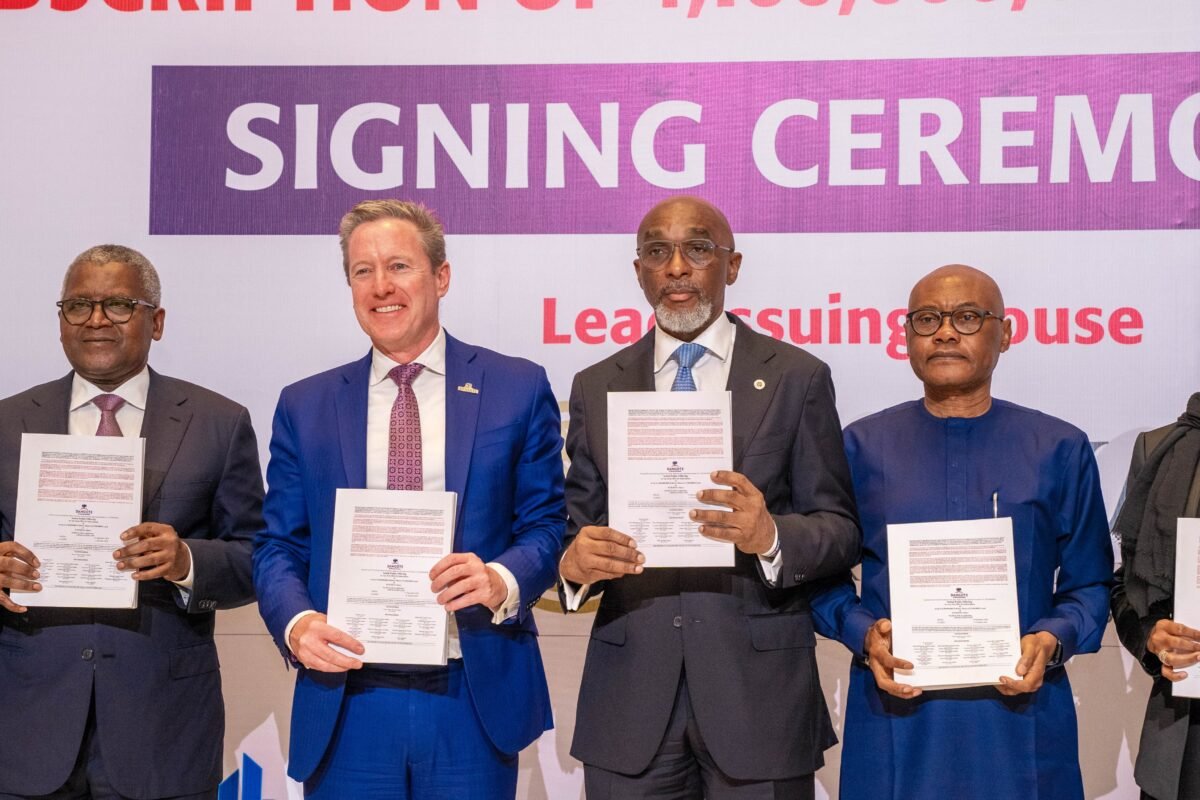
Vetiva coordinates signing for ₦2.15 trn Dangote Refinery IPO
Vetiva Advisory Services Limited has coordinated the signing ceremony for the proposed Dangote Petroleum Refinery and Petrochemicals FZE…

NCBA opens 100th branch in Kenya at NORD Mall, Ruiru
NCBA has officially unveiled its NORD Branch at The NORD Mall in Ruiru, marking the bank’s 100th branch…
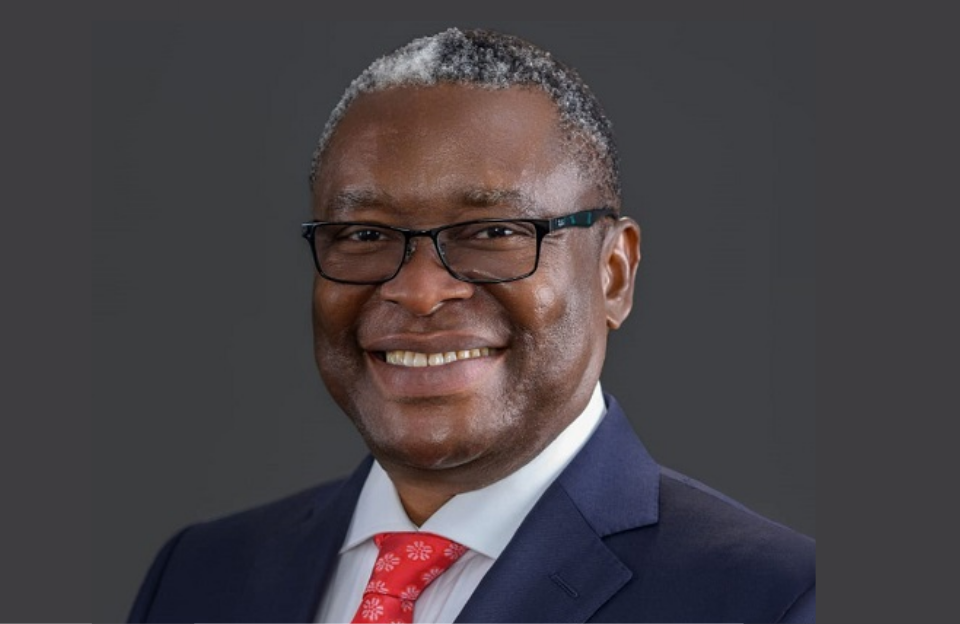
Victor Agbaroji resumes as new CEO role at Ingentia Energies
Victor Agbaroji has assumed the role of Chief Executive Officer at Ingentia Energies Limited, the company announced following…





Gallery