Fitch expresses neutral outlook for African banks in 2022

Ratings agency, Fitch, has expressed a neutral outlook for African banks this year, with uncertain business conditions and Covid-19 risk constraining recovery.
It is however anticipating a slightly faster rise in lending with most economies growing at an appreciable rate, it said in its report on “African Banks – No Easy Road to Recovery”.
“We see significant uncertainty with Africa being particularly at risk from new Covid-19 variants, amid very low vaccination rates and governments’ limited fiscal space. If this risk materializes, it could change the outlook quite dramatically.”
There are about 10 African banks operating in the country. Fitch said the banks are likely to make mistakes in the pursuit of growth under prevailing operating conditions, which are fraught with challenges and uncertainty, predicting a return to normalization in 2023 or further.
“Banks are likely to make mistakes in the pursuit of growth under prevailing operating conditions, which are fraught with challenges and uncertainty. We believe a return to normalization will be beyond 2022. Even excluding the serious threat of new variants, banks face the prospects of limited earnings growth, and, therefore, limited loss absorption capacity,” says Mahin Dissanayake, Head of African Banks at Fitch.
Downgrades of banks
It said the pace of downgrades has significantly reduced in 2021 compared with the prior year, and therefore barring any significant downside risks, it expects these trends to persist in 2022.
“Other things being equal, we do not believe asset quality deterioration will be widespread, even with the unwinding of remaining government-support measures. The fast rebound in formal and informal economic activity in 2nd-half 2020 and 2021, strong commodity prices and the resilience of certain economic sectors and loan restructuring continue to contain corporate bad debt.”
Again, it said high unemployment and the consequent impact on retail loans remain a risk, adding, “the fast accumulation of government debt securities by banks presents a key risk as the focus shifts to sovereign debt sustainability.”

Related Posts

PZ Cussons appoints Abel Idonije as new Africa People Director
Abel Idonije has been appointed Africa People Director at PZ Cussons, marking a significant new chapter in a…
 By
By
Leaders target financial resilience at NCBA breakfast 2026
Financial inclusion in Kenya has made significant strides, yet industry leaders gathered at the NCBA Financial Inclusion Breakfast…
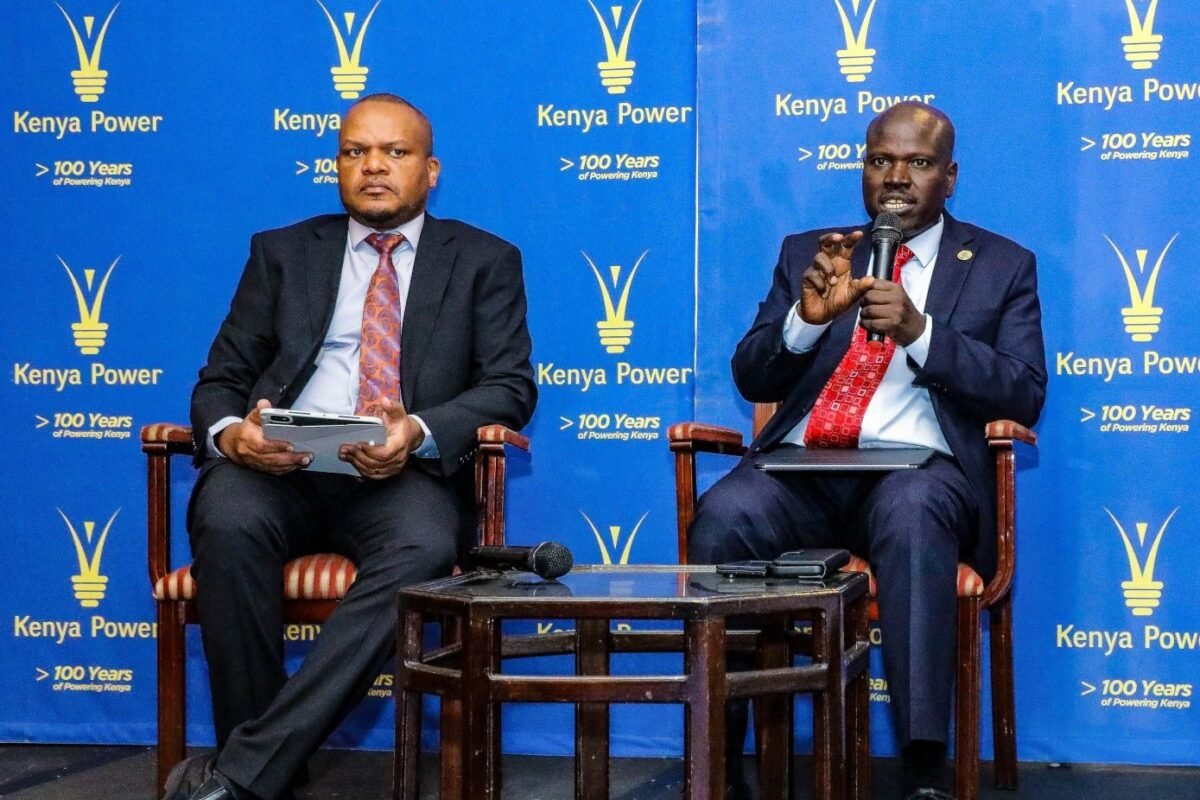
Kenya Power posts KSh24.99bn as revenue climbs 8.6% in FY2026
Kenya Power and Lighting Company PLC (Kenya Power) has reported a 2.1% increase in profit after tax to…

Standard Bank Namibia, NAMCOL partner on employee value banking
The Namibia College of Open Learning (NAMCOL) and Standard Bank Namibia have strengthened their strategic partnership through a…





Gallery