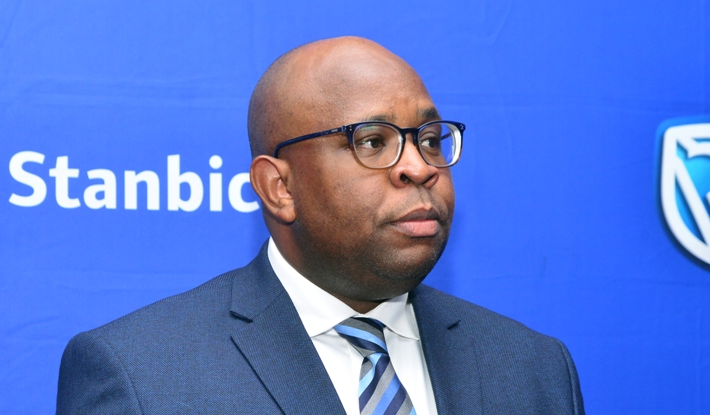
Stanbic Bank PMI: Uganda’s private sector improves since February

Ugandan businesses maintained strong growth in August, marking the seventh straight month of private sector expansion, according to the latest Stanbic Bank Purchasing Managers’ Index (PMI). The headline PMI registered at 53.3, a slight dip from July’s 53.6 but still well above the 50.0 neutral mark, signaling continued improvement in private sector conditions since February 2025.
Christopher Legilisho, Economist at Stanbic Bank Uganda, commented, “The August PMI data underscores robust economic conditions across Uganda’s private sector. Sustained growth in new orders and output reflects favorable business conditions across all major sectors.”
The PMI, compiled by S&P Global for Stanbic Bank, draws on monthly surveys of purchasing managers in agriculture, mining, manufacturing, construction, wholesale, retail, and services. It tracks five key indicators: new orders, output, employment, supplier delivery times, and stocks of purchases. In August, rising demand fueled increases in output, employment, and inventory levels, with businesses expressing optimism about future prospects, driving further input purchases and stock-building.
ALSO READ: UBA ENHANCES KENYA’S ECONOMIC GROWTH WITH $150M INFRASTRUCTURE PLEDGE
Despite inflationary pressures, with higher costs for inputs, purchases, and labor, the Consumer Price Index (CPI) remained stable from July. Businesses successfully passed these costs onto customers, resulting in widespread increases in selling prices. New sales grew for the seventh consecutive month, largely due to effective advertising and marketing efforts.
All sectors reported expansions in output and new orders, with companies boosting input purchases to meet demand and build safety stocks, which helped reduce work backlogs. Vendor performance remained stable, though some sectors, like agriculture and construction, saw slight decreases in input prices, while output charges rose across the board.
Employment conditions were strong, except in manufacturing, where staffing levels held steady. Looking ahead, Ugandan firms remain optimistic, with many anticipating increased activity over the next 12 months, driven by plans to enhance client outreach and advertising.
Tags:

Related Posts
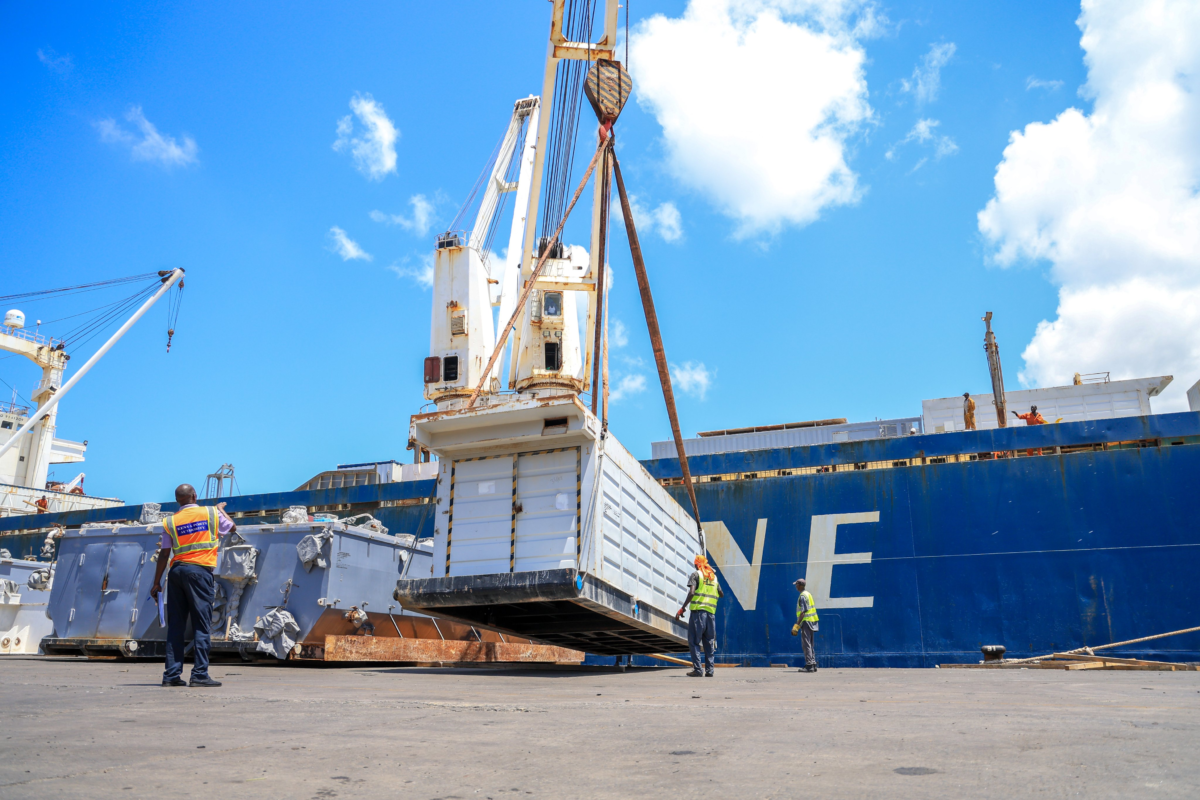
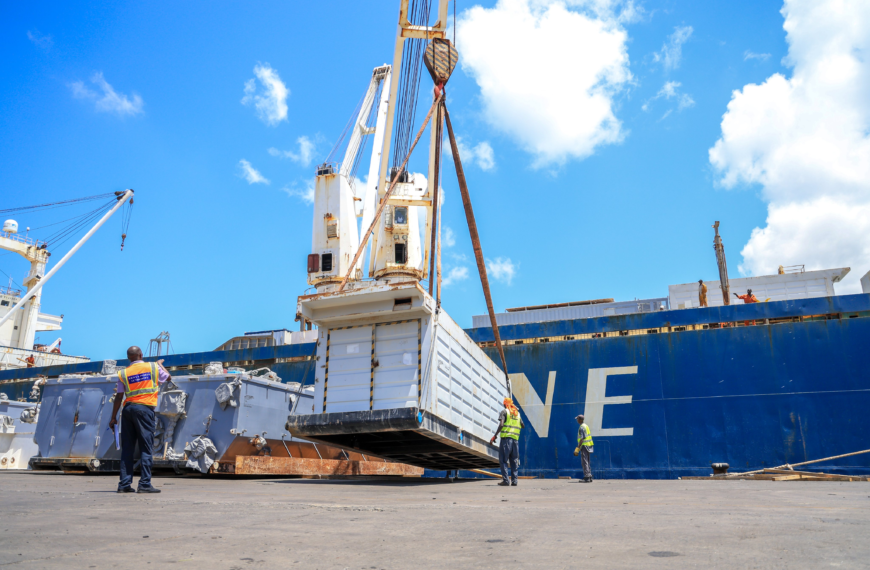
Gulf Energy delivers onshore rig to Mombasa Port for Turkana Crude Oil Drilling
Kenya has taken another major step towards achieving its first crude oil production after Gulf Energy E&P BV…
 By
ByNEW: Ardova Plc secures 100% stake in Powergas and PEL
Ardova Plc is set to expand its presence in Nigeria’s natural gas market after an Ardova-led consortium, including…
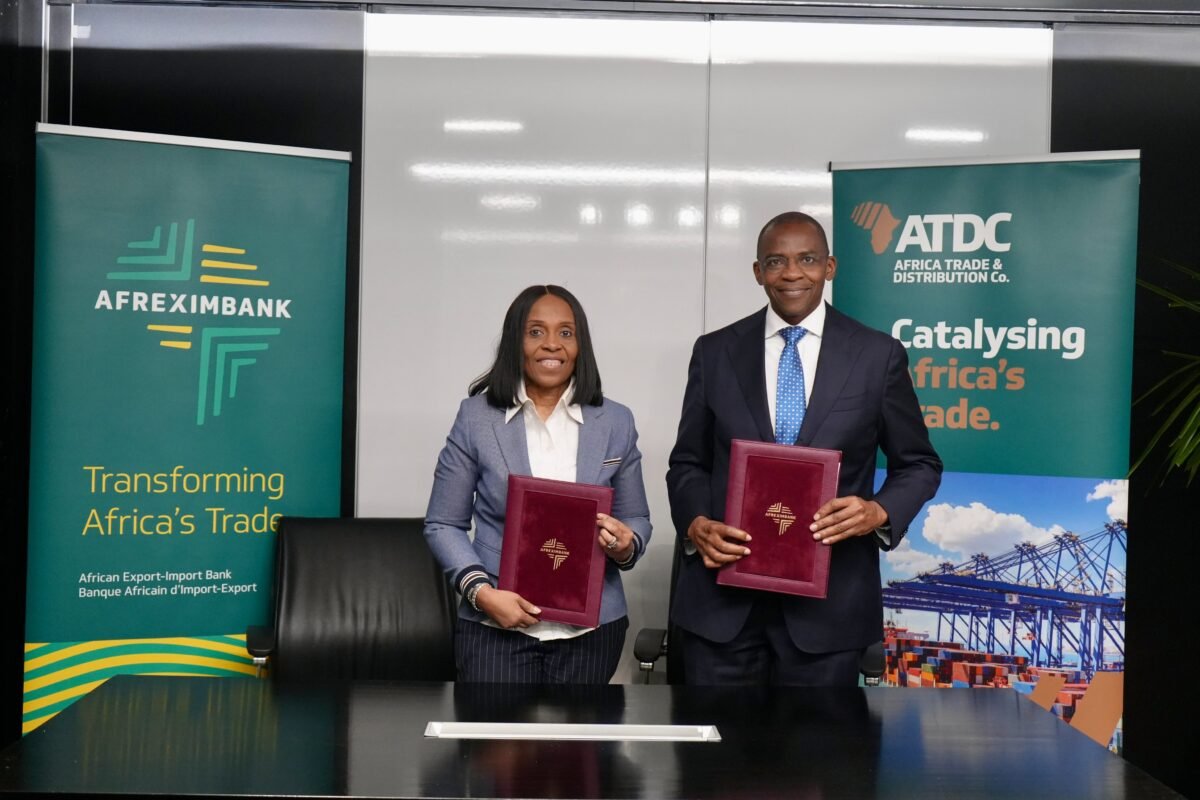
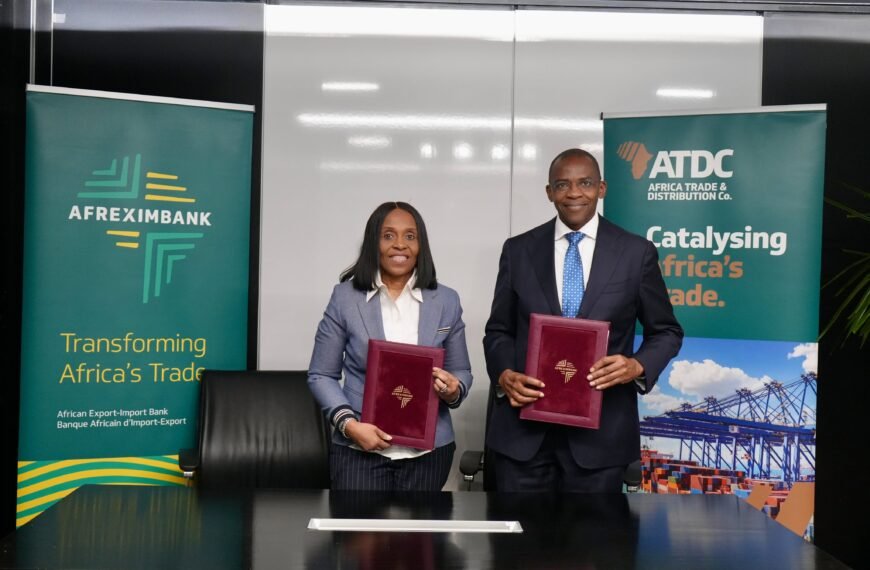
Afreximbank secures $529m guarantee and facility
To boost African trade infrastructure Afreximbank has taken significant steps to strengthen the infrastructure and financial architecture supporting…
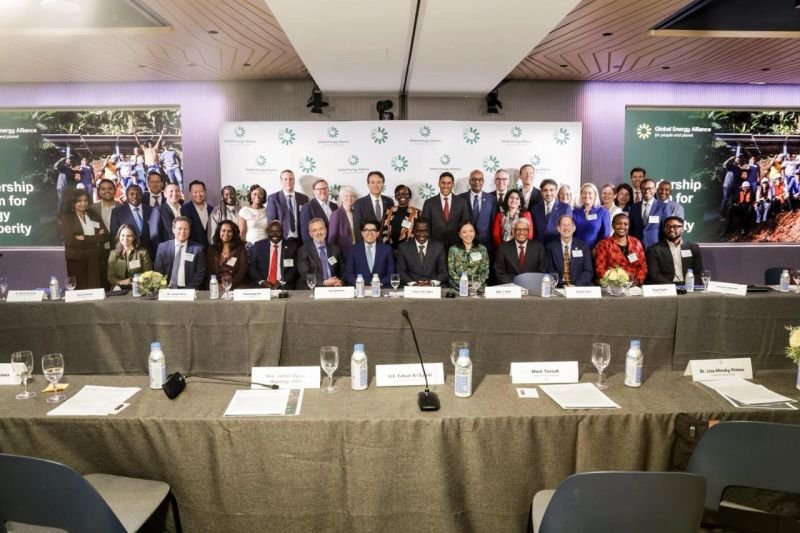
Kenya Power showcases decade of transformation at Global Energy Forum
Kenya Power Managing Director and Chief Executive Officer Dr. (Eng.) Joseph Siror has highlighted the utility’s significant progress…




Gallery