Nigeria’s Debt Rises to N35.47 trillion With Three Months

Nigeria’s total public debt stock rose from N33.11tn as of March 31, 2021, to N35.47tn as of June 30, 2021.
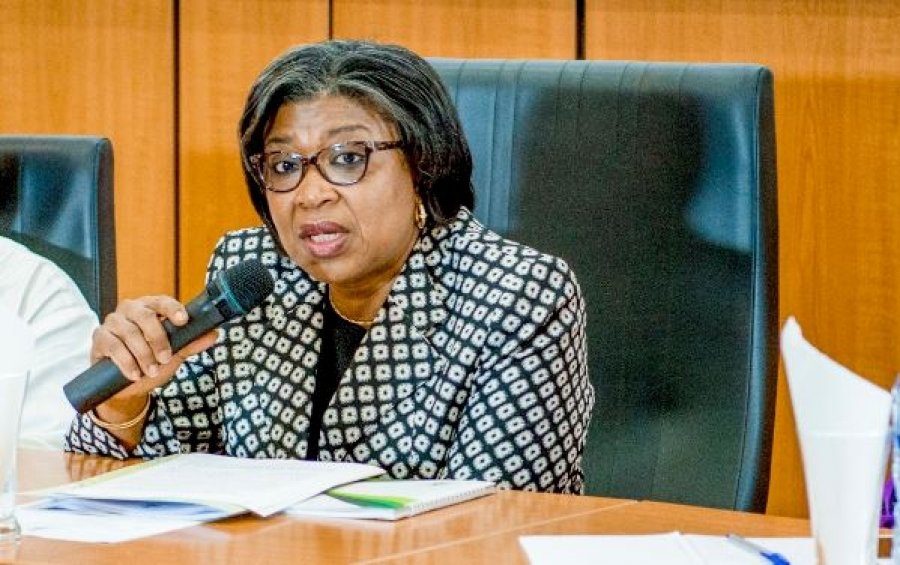
The Director-General of the Debt Management Office, Patience Oniha, provided a breakdown of the public debt stock for the second quarter of 2021 during a virtual media presentation on Wednesday.
The total external debt stock rose from N12.47tn as of March 31 to N13.71tn as of June 30, indicating an increase of N1.24tn or 9.94 per cent.
The total domestic debt stock rose from N20.64tn as of March 31 to N21.75tn as of June 30, indicating an increase of N1.11tn or 5.38 per cent.
At the end of Q2 2021, external debt stock made up 38.66 per cent while domestic debt stock made up 61.34 per cent of the total public debt stock.
The debt to Gross Domestic Product ratio rose from 21.13 per cent to 21.92 per cent within the second quarter.
At the end of the second quarter, a breakdown of external debt stock showed that multilateral debt (from World Bank Group and African Development Group) led the list of Nigeria’s creditors with a share of 54.88 per cent.
The second highest was commercial debt (from Eurobonds and Diaspora Bonds) with a share of 31.88 per cent.
It was followed by bilateral debts (from China, France, Japan, India and Germany) with a share of 12.70 per cent.
Promissory Notes had a share of 0.54 per cent.
The DMO boss stated that the debt stock was fast-growing, with a high debt service to revenue ratio, alongside issues around the use of debt proceeds.
The DMO blamed the public debt issues on high infrastructure deficit, recession, consecutive budget deficits, low revenue base, worsened by the country’s reliance on a single source of income on crude oil.
She said the government needed to expand its revenue base and promote public-private partnerships.
Oniha also spoke on the means and ways, which encompassed government borrowing from the Central Bank of Nigeria.
Like most central banks, the CBN Act 2007 allows the Central Bank of Nigeria to lend to the government. So, the CBN lending to the government is neither prohibited nor a bad thing, she said.
She, however, admitted that the limit placed on Federal Government borrowing from the apex bank had been violated due to revenue shortfalls and spending that government had to make.
The DMO boss disclosed that a plan was ongoing to restructure the debt taken from the CBN in order to include it in the public debt stock.

Related Posts
Anne Juuko leads East African Development Bank as new CEO
The East African Development Bank has appointed Anne Juuko as its new chief executive, placing a seasoned banking…
 By
By
Infobip appoints Mirta Pađen Lee as new VP of People to drive AI-first transformation
Global AI-first cloud communications platform Infobip has appointed Mirta Pađen Lee as Vice President of People, effective 1…

Mutual Trust MFBank appoints Josiah Ayoola Bukoye as new MD/CEO
Josiah Ayoola Bukoye has been appointed Managing Director and Chief Executive Officer of Mutual Trust MFBank Limited, the…

Standard Bank unites Namibia corporates for affordable housing tournament
Standard Bank Namibia’s Corporate and Investment Banking division has successfully hosted the third annual Padel for Purpose fundraising…





Gallery