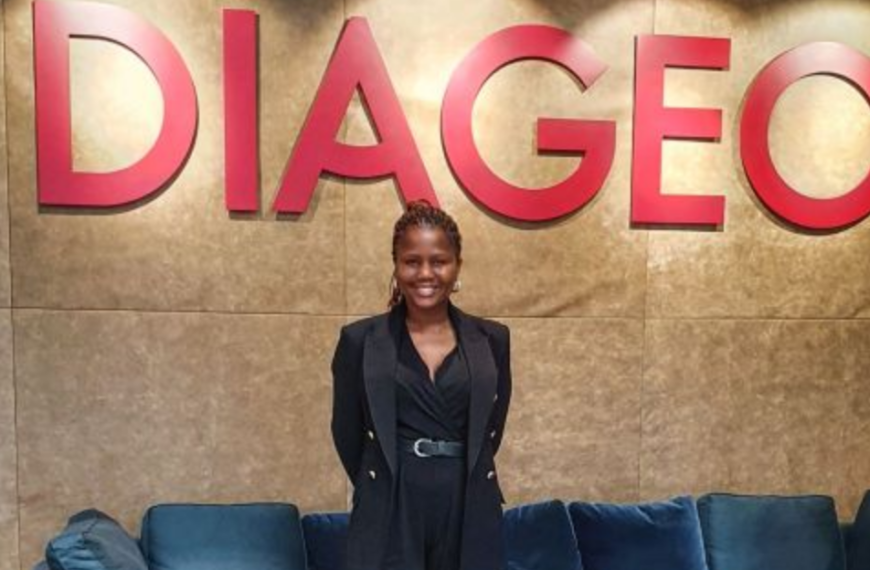
Ini Abimbola warns oversight failures in African corporate boardrooms

Many African boardrooms operate under a carefully managed illusion of oversight, according to governance and institutional reform advisor Ini Abimbola, who has raised concerns about a widespread practice she describes as “the choreographed board.”
In a candid assessment of corporate governance dynamics, Abimbola argues that the weeks leading up to many board meetings are dominated by an unofficial process of packaging and softening information. Board packs are repeatedly revised not primarily for accuracy, but for reception.
Difficult figures are carefully contextualised, bad news is strategically sequenced behind positive developments, and individual directors are quietly sounded out in advance. By the time the formal meeting begins, the outcome has often been largely predetermined.
“The board believes it has deliberated when it has simply ratified a choreography,” Abimbola observed.
She attributes the practice not to individual character flaws among executives, but to a learned organisational response. Boards that react to bad news with blame, she notes, teach management to package uncomfortable information. Directors who lack the context to interpret raw data force executives to pre-digest it, and that process of pre-digestion is where shading and sanitisation begin.
ALSO READ: ZB Bank Appoints Arthur Matsaudza as new CEO
The consequences, Abimbola warns, can be severe.
When material risks eventually surface, they often appear as sudden surprises — not because no warnings existed, but because the entire system between operations and the boardroom was designed to soften those signals on their way up. Many of the major corporate shocks that have rocked organisations, she argues, were rarely surprises to those closest to the business. They were surprises only to the directors being carefully managed.
Abimbola proposes a straightforward test for boards seeking to determine whether they are genuinely informed or merely handled. Directors should ask themselves whether they ever see information that has not first passed through the chief executive’s filter; whether bad news reaches the board as quickly as good news; and whether management has ever brought an unresolved problem to the boardroom and survived the experience.
The power to end the choreography, she insists, largely rests with the boards themselves. Honesty becomes more likely when early bad news is met with constructive engagement rather than blame, when directors have direct access to executives below the CEO, and when surprises are treated as insights into the system rather than ammunition against individuals.
Abimbola closes with two pointed questions. To directors: When did your board last hear something management had not carefully prepared to present, and how did the room respond?
To executives: How much of your board preparation is genuine information, and how much is managed performance?

Related Posts

The Hidden Cost of Doing Business in Nigeria
Modupe Coker The biggest obstacle facing many entrepreneurs in Nigeria is not a shortage of ideas or effort.…
 By
By
Stanbic Bank Zimbabwe records ZWG858m in H1 2026
Stanbic Bank Zimbabwe recorded a 26% increase in profit after tax to ZWG858.4 million ( $32 million) for…

Emmanuel Nnorom: The Steady Hand Guiding UBA’s Pan-African Ambition
Emmanuel Nnorom is at the reins of one of Africa’s most expansive financial institutions as he assumes the…

Epic: Marketsquare Marks 10 Years of Building Indigenous Retail Brand
Marketsquare has marked its 10th anniversary with reflections on its growth journey, saying the milestone underscores the potential…





Gallery